
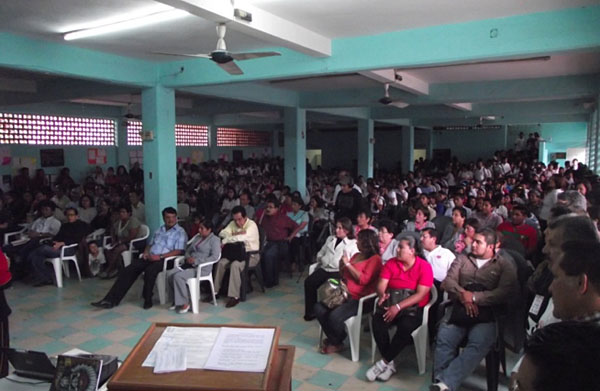
On November 18, the community of Emiliano Zapata (Carrizal), Veracruz, hosted an unprecedented cultural event for Veracruz archaeology, an academic conference organized by and for the inhabitants of the local communities. Its main goal was to divulge the diverse information recovered by archaeological projects throughout the region. The idea was conceived inside the outreach program […]
Read full post »Archaeology and History at El Carrizal
Thursday, October 20, 2011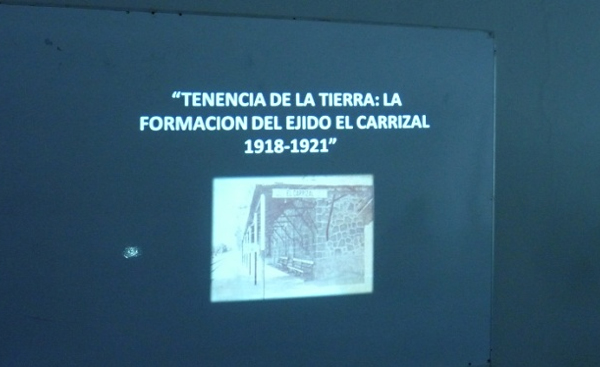
On Friday, October 7, our crew had a celebration. The reason? The project’s first grantee graduation! Cesar Viveros Miranda is a local student from Carrizal who enrolled in the History program at Universidad Veracruzana. His thesis is titled “Land Ownership: El Carrizal’s Ejido Formation: 1918-1921.” The Ejidos were social organizations based on communal land property. […]
Read full post »Rescuing El Carrizal’s Heritage: Please Support Us
Tuesday, September 6, 2011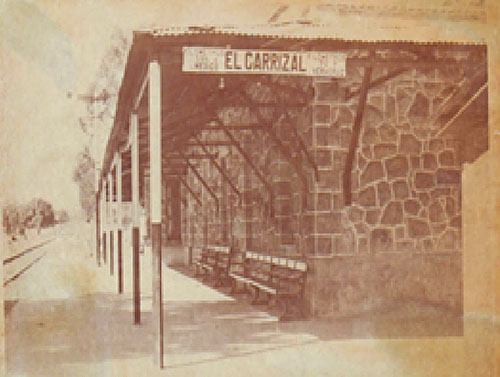
El Carrizal’s history is deeply intertwined with the railways’ history. During Porfirio Diaz’ rulership (1876-1911), the area was known as Llano grande (wide plains) and was part of Hacienda Plan del RÃo, a latifundium owned by Mr. Angel Trigos. Back then, only a few houses existed and the rest of the land was used for […]
Read full post »Experimenting and Archaeology
Monday, August 22, 2011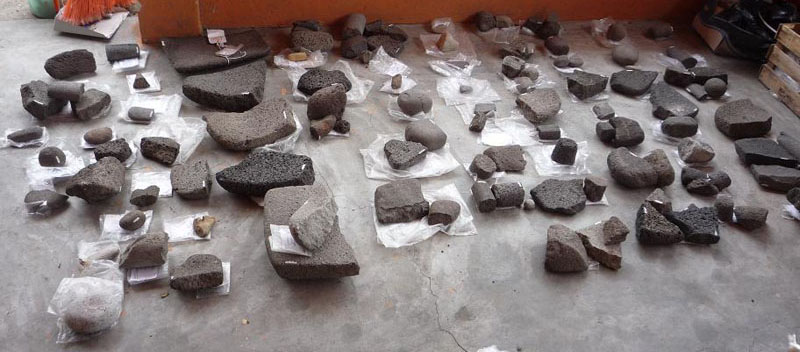
Archaeology has developed its classification methods and techniques since its beginnings. At first, finished and pretty artifacts were diagnostic of styles and cultures. In the 60s, technological issues started to come to question; so we started paying attention to unfinished, recycled, re-used and discarded objects. The operational sequence approach on artifacts proposes to reconstruct their […]
Read full post »Hurricane Karl: Natural Disasters and Human Occupations
Wednesday, December 8, 2010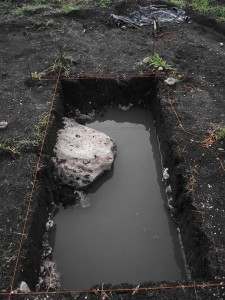
On September 16, hurricane Karl hit the Mexican Gulf Coast. It entered through Villa Rica, the same spot through which Cortes the conquistador first arrived in Mexico. As we were so deeply focused in our research, we didn’t know anything about the danger, so our crew decided to spend September 15 (Mexico’s Independence Day) at […]
Read full post »