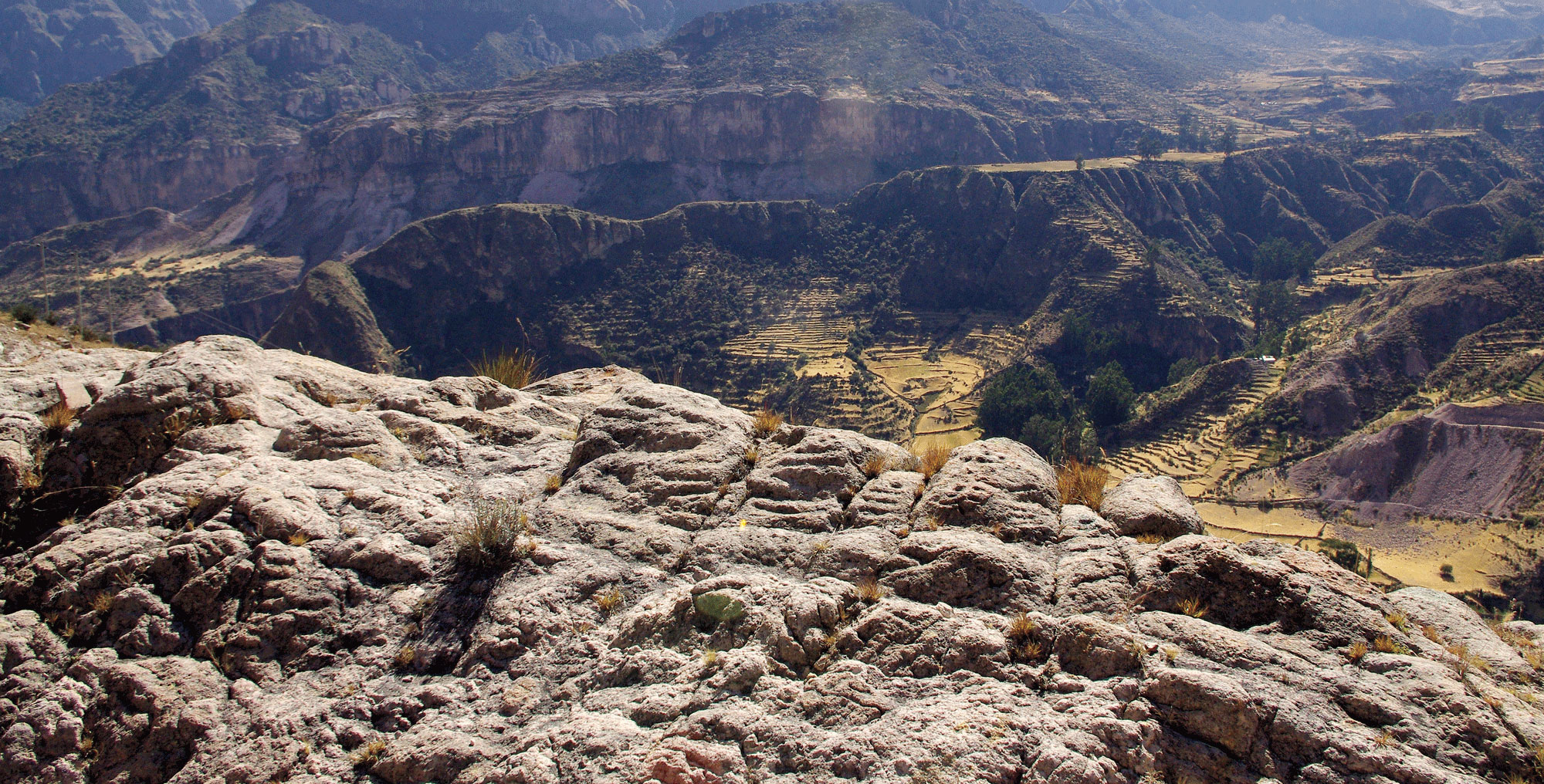
Around 7,000 to 8,000 years ago, the Chinchorro, a group of hunter-gatherers living in the Atacama Desert on the coast of northern Chile, began mummifying their dead. But how the practice originated has remained a mystery. Many archaeologists, including Mario Rivera of the Field Museum in Chicago, believe that the ancestors of this hunter-gatherer culture migrated from the Amazon River Basin and brought with them some basic techniques for treating the dead, which they then developed into a more elaborate form of mummification. A team of Chilean researchers, however, has proposed an alternative hypothesis. They believe that a combination of environmental and demographic factors led the Chinchorro to develop mummification practices.
By comparing radiocarbon dates from Chinchorro sites with climate data obtained from ice cores and pollen samples, the researchers found that there was a greater amount of rainfall in the Andes Mountains, east of the Atacama Desert, at around the same time that there was an increase in the number of Chinchorro settlements. The team believes that the wetter climate in the mountains may have started a series of events that led to the development of the Chinchorro culture. Team member Pablo Marquet of the Pontifical Catholic University of Chile believes that the population in the desert grew because the increased rainfall in the mountains would have meant more ground water to feed the desert springs upon which the Chinchorro depended for survival. The greater availability of water, coupled with the abundant marine food resources on the coast, may have allowed the desert to support a larger number of people than it previously had. “Here is one situation where climate change had a positive impact on the emergence of innovations,” says Marquet.
The larger population size would have set the stage for cultural innovations such as artificial mummification, according to Marquet. Even with rain falling in the mountains, the desert remained extremely dry—dry enough to naturally mummify dead bodies. The increased population would have meant that more slow-decaying corpses would have been visible in the desert. Marquet thinks that observation of these naturally preserved remains might have inspired the Chinchorro to augment the process and create artificial mummies of their own.
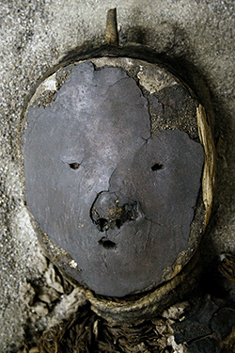
The Chinchorro mummified bodies by removing muscles and, in some cases, organs, and replacing them with sticks and clay or plant materials, Marquet says. The mummies’ faces were covered by clay masks, and the bodies were often coated with black or red pigments.
Rivera, however, is not convinced that environmental conditions led so directly to the practice of mummification. People living in very different environments, including the Pacific Islands and Amazon River Basin, have also practiced mummification, but without climates conducive to natural preservation, he points out. “You could get the same results in quite different environmental conditions,” he says.