ARCHAEOLOGY

A publication of the Archaeological Institute of America
 
latest news
Archaeological Headlines
updated by 1pm EST weekdays


MORE NEWS

From the Trenches: Sep/Oct 2010
From the most recent issue of ARCHAEOLOGY

From the Trenches: Jul/Aug 2010
From the past issue of ARCHAEOLOGY


For discussion, analysis, and insights on recent discoveries and issues in archaeology, see our weekly blog Beyond Stone & Bone.

Thursday, September 2
by Jessica E. Saraceni

Corpse-eating insect remains have been found in Moche graves in northern Peru, suggesting that the dead were exposed for at least a week before burial. Such insects are also depicted in Moche art. “The Moche deliberately exposed the body to the flies with the hope that the anima or spirit of the deceased would be carried from the maggots into adult flies and through close contact with people, complete the human cycle,” wrote J.B. Hucheta of the Université Bordeaux and Bernard Greenberg of the University of Illinois at Chicago in the Journal of Archeological Science.

Bulgaria’s Unit for Combating Organized Crime raided the homes of three men accused of treasure hunting near the village of Koshava. Coins, bronze vessels, metal detectors, and a pistol were seized.  

The ancient health center in western Turkey known as Alliaoni is due to be covered with sand before it is submerged by the reservoir of the Yortanli Dam. “We have found a sculpture of Asklepios, who was known as the god of health. Alliaoni has 400 surgical instruments, the highest number ever found, proving that the place was a hospital at the time,” defended excavator Ahmet Yaras.  Here’s more information on the controversy over the submersion of the ancient site.  

The Cardy Camp, an 11,000-year-old camp site in Wisconsin, will be donated to the Archaeological Conservancy by the Cardy Family. “As we were picking up the stones, occasionally we’d find an arrowhead at home, and we never thought a great deal about it,” said Darrel Cardy.  

Archaeologists and volunteers in southern Oregon are searching for any traces left of the Applegate Trail. Modern roads may have erased the nineteenth-century pioneer route.  

The Maryland Historic Trust and the Navy continue to work together to excavate a shipwreck that may be the USS Scorpion, which fought the British Navy in the Patuxent River during the War of 1812. Plans are afoot to construct a visitor’s center complete with artifacts from the ship by 2012.  

Canadian and British officials are discussing how to preserve the wreck of HMS Investigator, a nineteenth-century British ship located in Mercy Bay this summer. The ship was abandoned in 1854 during a search for the lost members of the Franklin Expedition.

Wednesday, September 1
by Jessica E. Saraceni

An intact Roman lantern made of bronze has been found in England by a man with a metal detector. “What is particularly amazing about the lantern is that the chains it was suspended from still look and move like any modern chain and had not corroded into a metal lump,” said Emma Hogarth of the Colchester and Ipswich Museums. The man has donated the lamp to the museum.

A massive freeze dryer at Texas A&M University will be used to preserve the wreck of the French explorer ship La Belle, which sank in Matagorda Bay in 1686. “It is a much gentler process than straight dehydration, and it is slightly revolutionary in that no one has tried it before,” said Peter Fix of the Center for Maritime Archaeology and Conservation.  

BBC News has posted video from the new expedition to map the wreck of the Titanic.  

Meanwhile, the Holland 5, a submarine which sank off the coast of England in 1912, has been damaged by looters. The sub was one of the first to have been used by the British Navy.  

Rock art in Arizona’s Kaibab National Forest has been vandalized.  

A Moabite temple dating to the eighth century B.C. has been discovered at Khirbat ‘Ataroz, according Ziad al-Saad, head of the Jordanian Antiquities Department.  

Archaeologist Önder Bilgi has found 4,000-year-old obsidian blades and skulls with cut marks that match them. “We know that patients lived at least two to three years after the surgery, because the skull has tried to close the wound,” he said.  

Protesters are still trying to prevent the construction of the Ilisu Dam in southeastern Turkey, which would flood the ancient city of Hasankeyf. The Turkish government has said that the ancient city will be moved to an archaeological park, but activist Güven Eken says that it is impossible to separate Hasankeyf from the Tigris River and its people.  

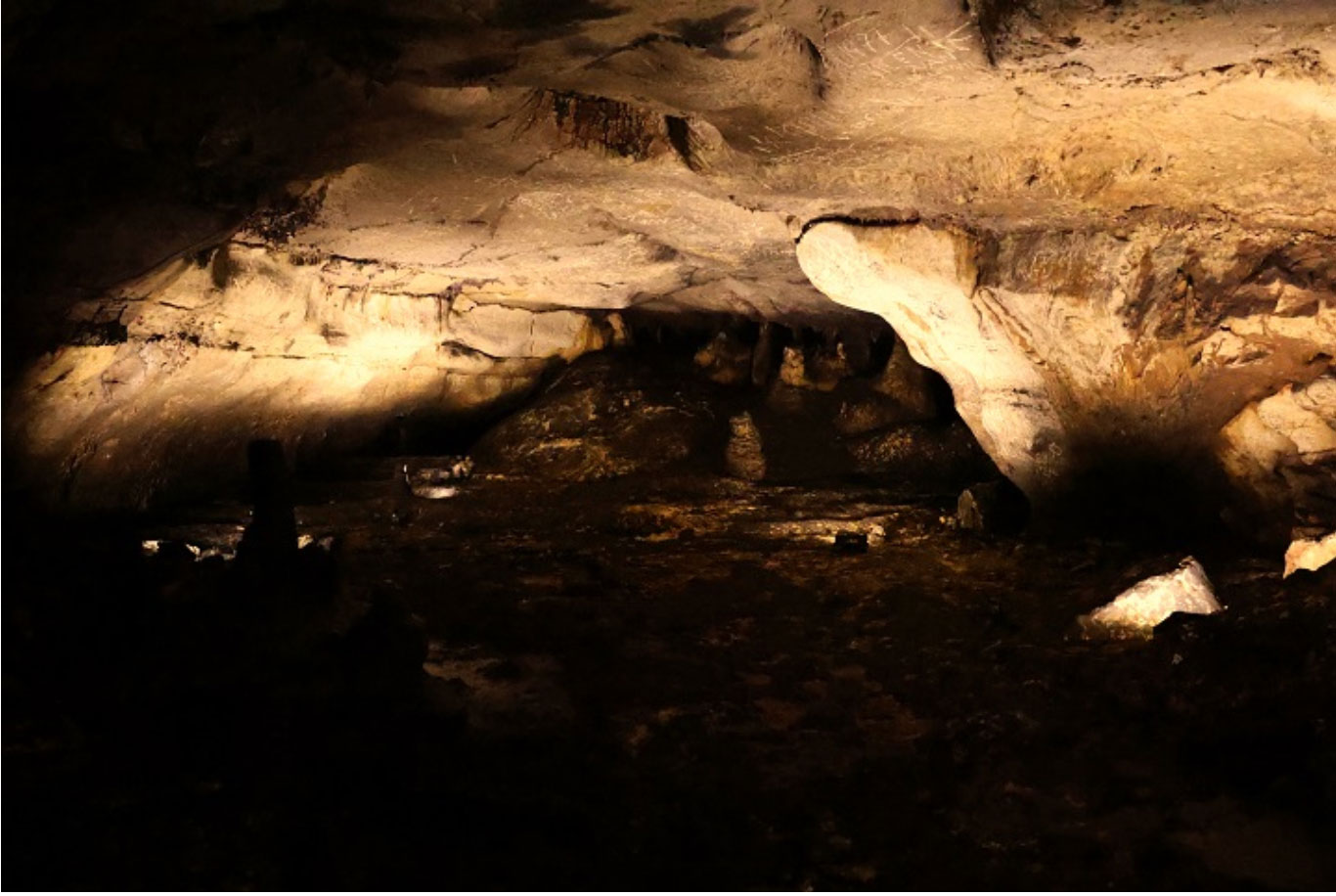
Here’s more information on the supposed Paleolithic funeral feast uncovered in a cave in northern Israel.  

And there’s a little more information on the 1,600-year-old burial of a teenage boy discovered in northern Peru. “We are excavating in the same platform on the same royal mausoleum of the Lord of Sipan where they [the Mochicas] buried all the high ranking people from lords to priests and of course people in the noble Mochica families,” explained archaeologist Walter Alva.


RSS feed
Share Article

E-Update

Stay up-to-date on news and
new features on our website.
Click here to sign up.

Buy current & back issues:

ARCHAEOLOGY back issues
See what's available!

current issue
Current Issue

online content

Exclusive Features
Bull-Killer, Sun Lord; Dura-Europos; Inside the Israel Antiquities Authority

Latest News
Daily archaeological headlines

Interactive Digs
El Carrizal, Mexico; Sagalassos, Turkey; Johnson's Island, Ohio

On Site
Touring Provence, Voyage to Crete, Picturing the Holy Land

Reviews
"Tutankhamun's Funeral," "Becoming Human," "Discovering Ardi"

Interviews
Edward Bleiberg, Marc Van De Mieroop, Heather Gill-Robinson

Privacy Policy - Contact Us - Advertise
© 2010 Archaeological Institute of America
Website by Castle Builder Design
Hosting donated by Hurricane Electric
he.net