SOUTHWESTERN ENGLAND—Mesolithic hunter gatherers living in the Severn Estuary, at the mouth of the Severn, Wye, Usk, and Avon Rivers, used fire to encourage the growth of hazelnuts, crab apples, and raspberries. “Previously it was thought that these people were mainly hunting deer and simply responding to the spectacular environmental changes around them, such as sea level rise. Now there is increasing evidence that they were adept at manipulating their environment to increase valued plant resources,” said Martin Bell of the University of Reading. The researchers have also found ancient footprints left behind by animals, birds, and human adults and children.
Mesolithic Hunter Gatherers Used Fire to Shape Environment
News January 7, 2013
Recommended Articles
Off the Grid November/December 2026
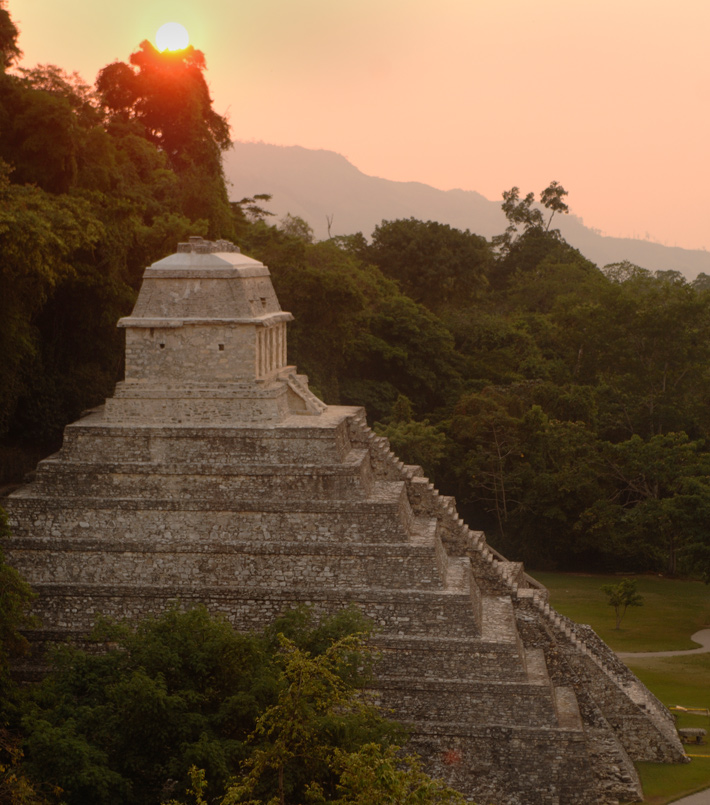
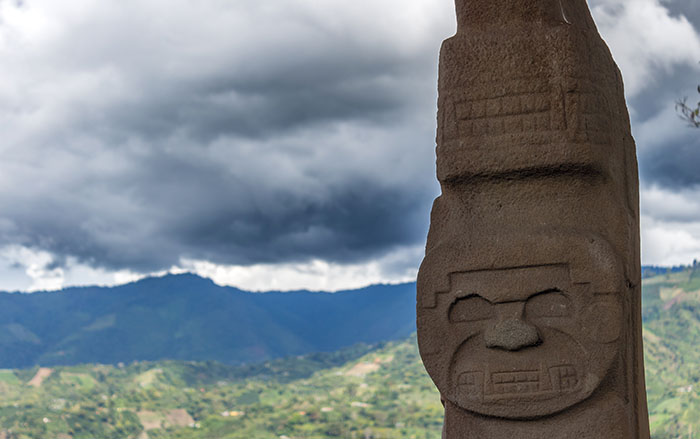
San Agustín, Colombia
Archaeologists are finally deciphering the mystery megaliths of a vanished Andean people
Letter from Cape Canaveral November/December 2026
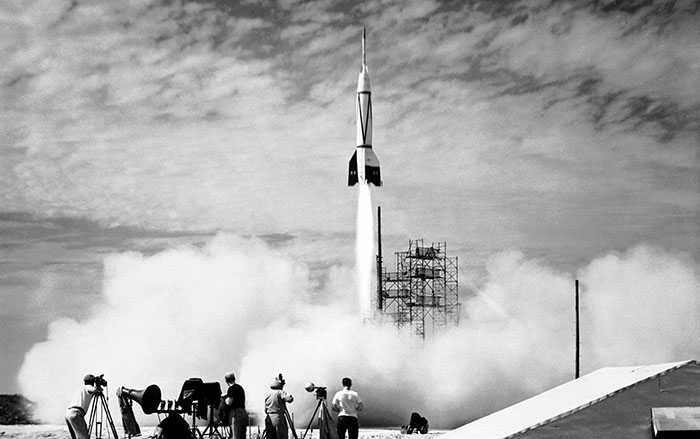
Dawn of the Space Age
Archaeologists have made surprising discoveries spanning 3,000 years at the birthplace of American space exploration
Features November/December 2026
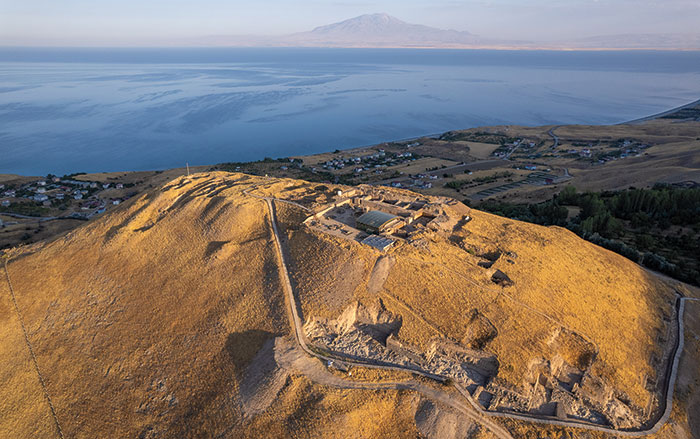
Kingdom of Fortresses
How diverse and far-flung Iron Age chiefdoms united to challenge the Assyrian Empire
Features November/December 2026
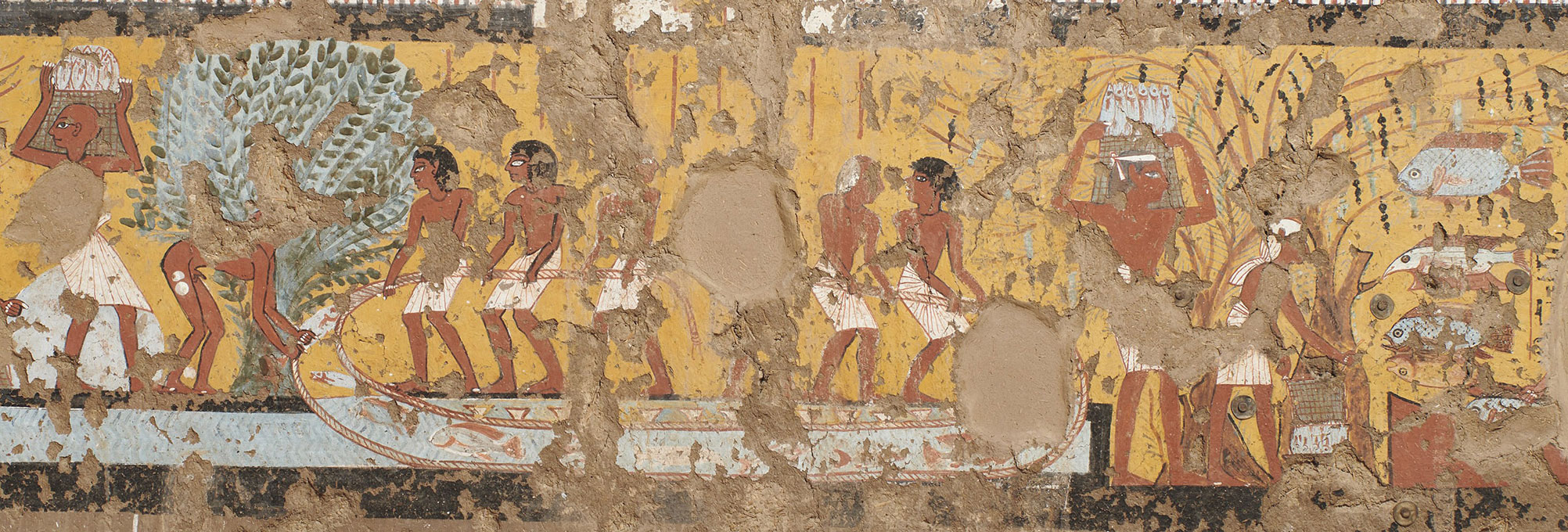
A Tomb of One’s Own
Life behind the scenes in Egypt’s Valley of the Kings
-
Features November/December 2012
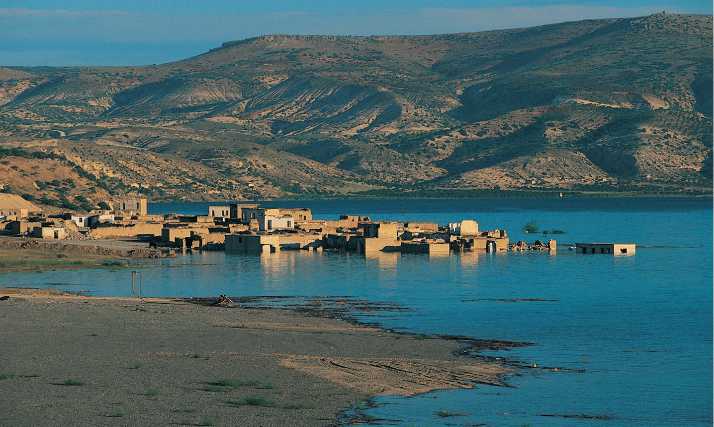
Zeugma After the Flood
New excavations continue to tell the story of an ancient city at the crossroads between east and west
(Hasan Yelken/Images & Stories) -
Letter from India November/December 2012
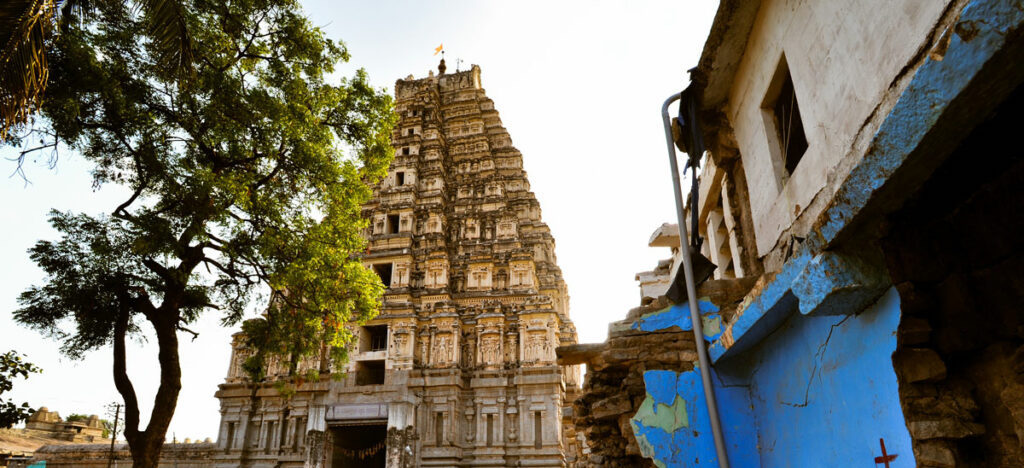
Living Heritage at Risk
Searching for a new approach to development, tourism, and local needs at the grand medieval city of Hampi
(Gethin Chamberlain) -
Artifacts November/December 2012
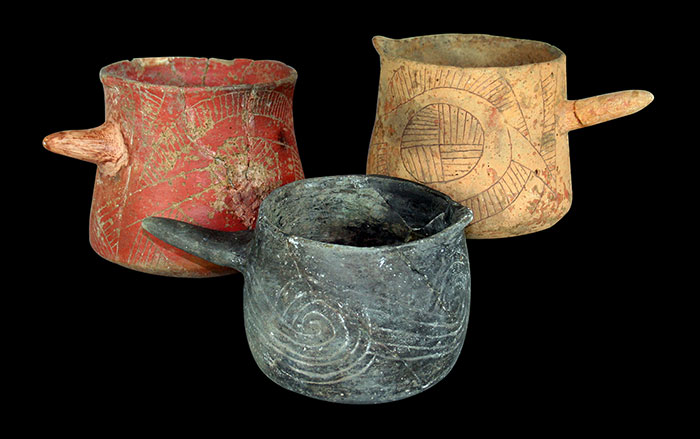
Beaker Vessels
Ceramic beakers were the vessels of choice for the so-called “Black Drink” used at Cahokia by Native Americans in their purification rituals
(Linda Alexander, photographer, use with permission of the Illinois State Archaeological Society) -
Digs & Discoveries November/December 2012
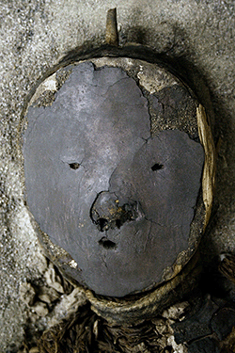
The Desert and the Dead
(Courtesy Bernardo Arriaza)