
KRAKÓW, POLAND—A team of researchers from Poland and the Netherlands has used a technique used to establish hair and eye color from modern forensic samples on remains up to 800 years old. “This system can be used to solve historical controversies where color photographs or other records are missing,” said Wojciech Branicki of Jagielonian University. The researchers have tested the system on the remains of inmates from a World War II prison camp and medieval bones from a Benedictine abbey near Kraków.
Technique Identifies Eye and Hair Color in Archaeological Remains
News January 14, 2013
Recommended Articles
Off the Grid November/December 2026
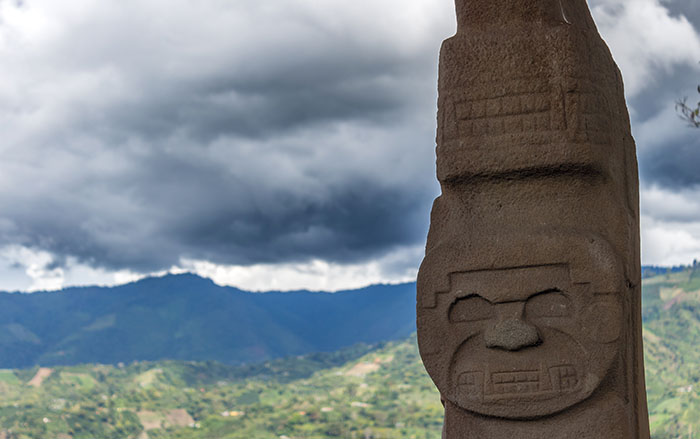
San Agustín, Colombia
Archaeologists are finally deciphering the mystery megaliths of a vanished Andean people
Letter from Cape Canaveral November/December 2026
Dawn of the Space Age
Archaeologists have made surprising discoveries spanning 3,000 years at the birthplace of American space exploration
Features November/December 2026
Kingdom of Fortresses
How diverse and far-flung Iron Age chiefdoms united to challenge the Assyrian Empire
Features November/December 2026
A Tomb of One’s Own
Life behind the scenes in Egypt’s Valley of the Kings
-
Features November/December 2012
Zeugma After the Flood
New excavations continue to tell the story of an ancient city at the crossroads between east and west
(Hasan Yelken/Images & Stories) -
Letter from India November/December 2012
Living Heritage at Risk
Searching for a new approach to development, tourism, and local needs at the grand medieval city of Hampi
(Gethin Chamberlain) -
Artifacts November/December 2012
Beaker Vessels
Ceramic beakers were the vessels of choice for the so-called “Black Drink” used at Cahokia by Native Americans in their purification rituals
(Linda Alexander, photographer, use with permission of the Illinois State Archaeological Society) -
Digs & Discoveries November/December 2012
The Desert and the Dead
(Courtesy Bernardo Arriaza)