

NORWALK, CONNECTICUT—Archaeologists working ahead of railway construction on the Connecticut coast have found evidence of a seventeenth-century Native American fort, Newsday reports. Excavations on a small area of land adjacent to Amtrak and Metro North commuter train tracks have uncovered artifacts going back 3,000 years, including projectile points, stone tools, and trade goods such as wampum, glass beads, hatchets, and knives. The team has also identified postholes belonging to the fort's wooden walls. The site is believed to have been occupied by members of the Norwalk tribe from around 1615 to 1640 and used for trading with early Dutch settlers. Follow the link to "Off the Grid" to read about Pemaquid, Maine, another site of early interaction between European colonists and native people in New England.
Native American Fort Unearthed in Connecticut
News August 29, 2018
Recommended Articles
Off the Grid September/October 2026
Xunantunich, Belize
Learning to draw monkeys at an ancient Maya art academy

Letter from Ireland September/October 2026
A War Between Friends
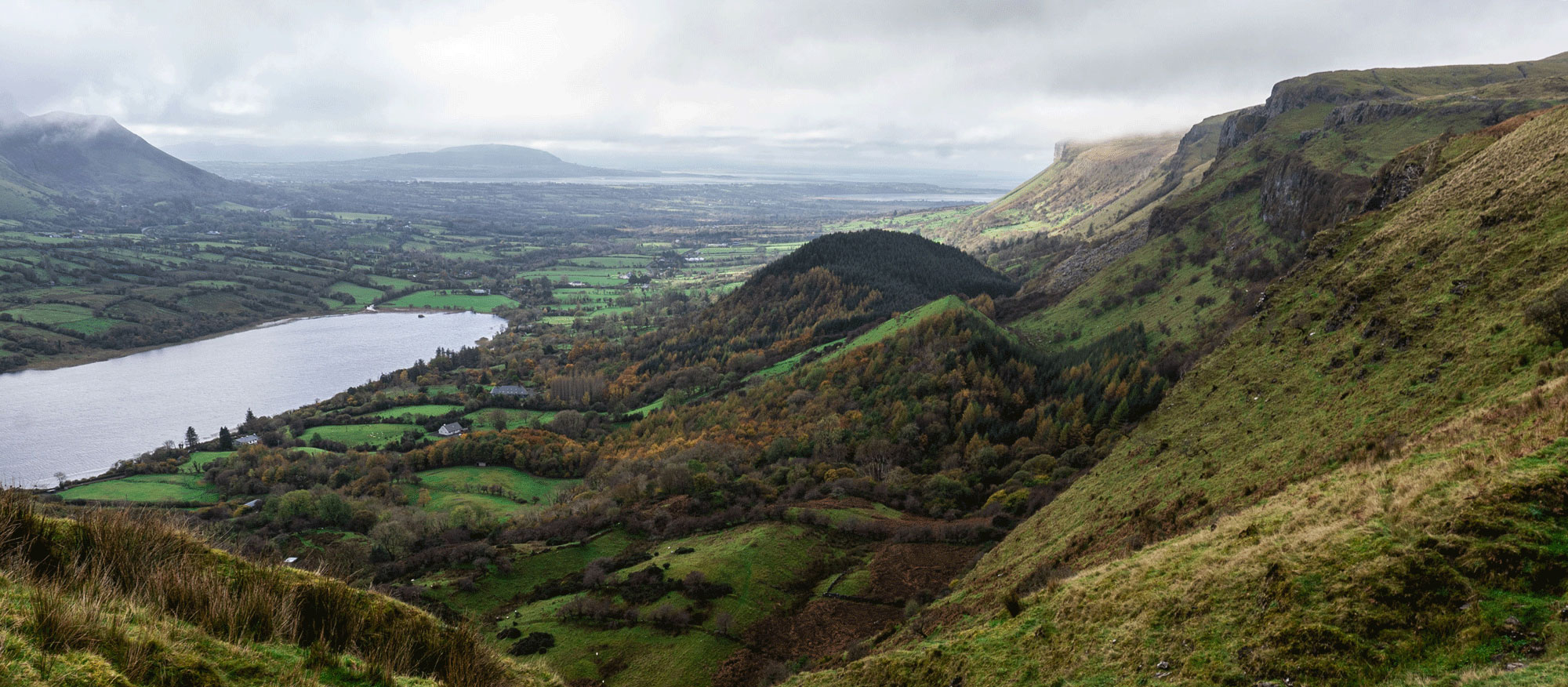
How IRA volunteers survived the Irish Civil War in a secret mountain hideout
Features September/October 2026
A Change in Fashion
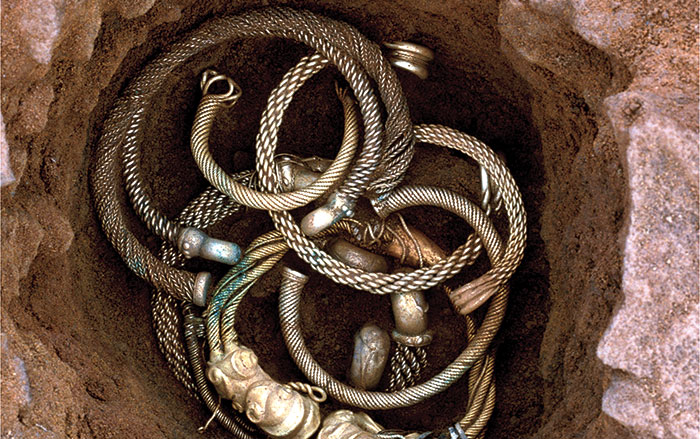
Hoards of lavish gold and silver neck rings buried on an English hill reflect dramatic social change
Features September/October 2026
Cultivating Fields of Stone
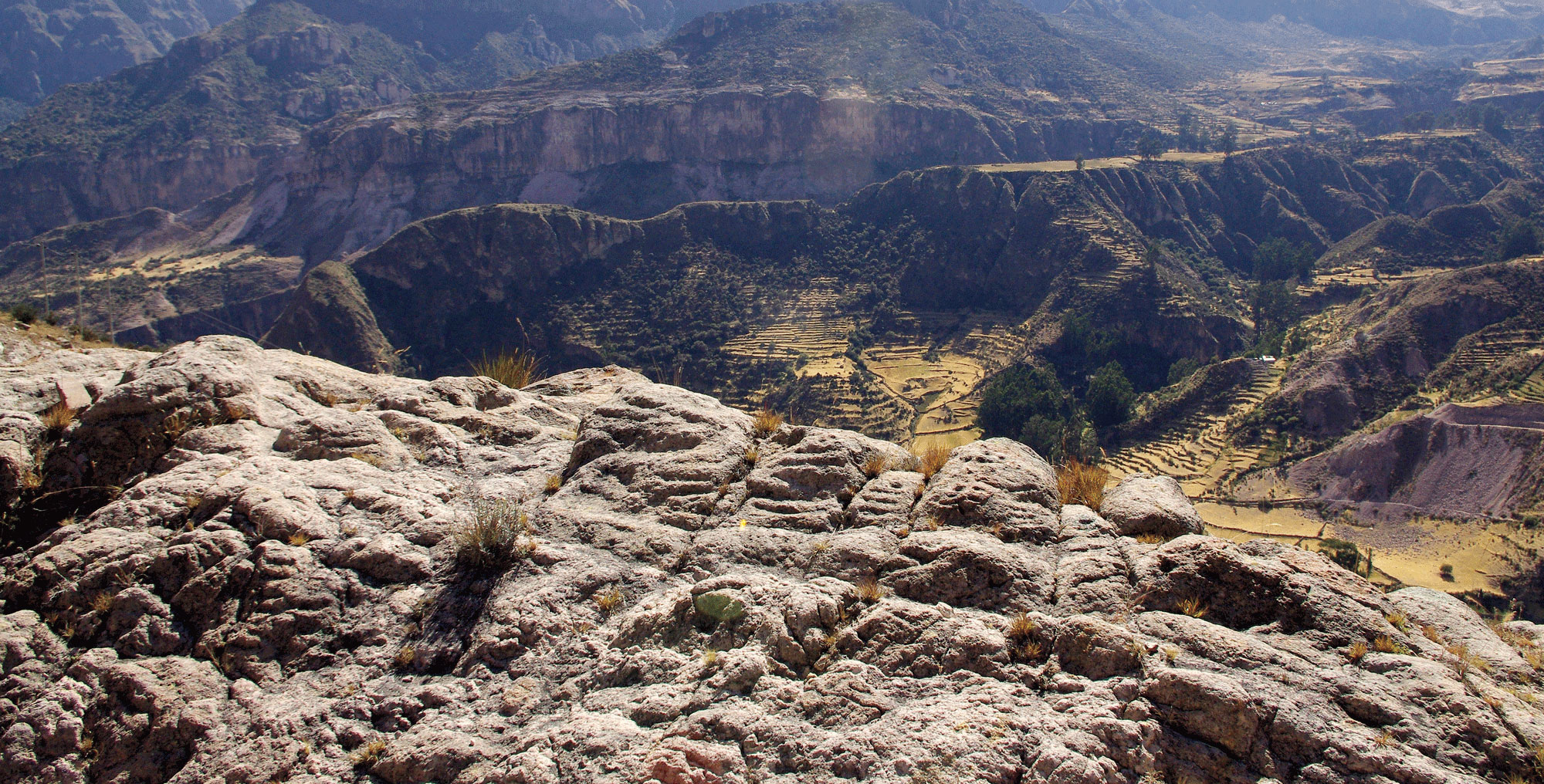
Peru’s ancient farmers used intricate rock maps to plan for the future
More to Discover
Features July/August 2018
Westminster Abbey’s Hidden History
Far above the royal pomp and circumstance, archaeologists unexpectedly discover seven centuries of England’s past


-
Features July/August 2018
The City at the Beginning of the World
The only Maya city with an urban grid may embody a creation myth
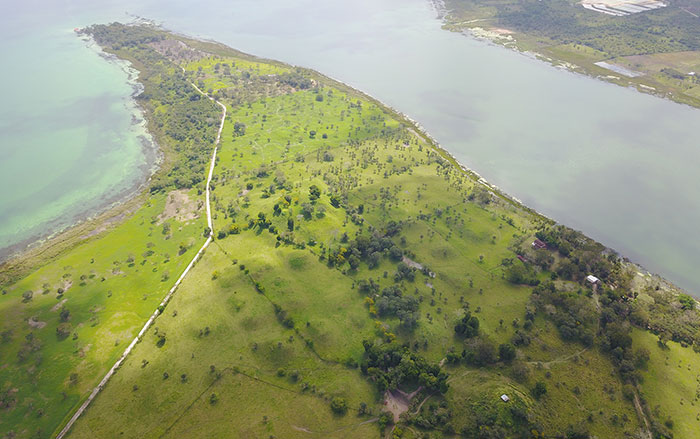 (Courtesy Timothy Pugh/Itza Archaeological Project)
 -
Letter from England July/August 2018
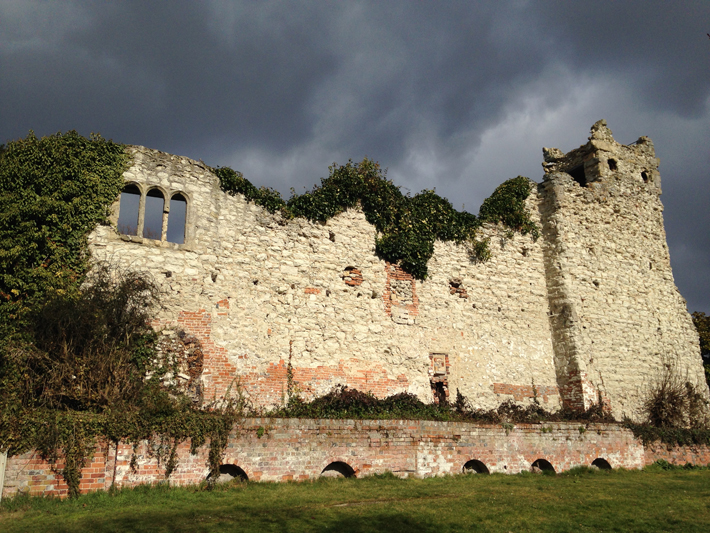
Inside the Anarchy
Archaeologists explore the landscape of England’s first civil war
 (Kate Ravilious)
 -
Artifacts July/August 2018
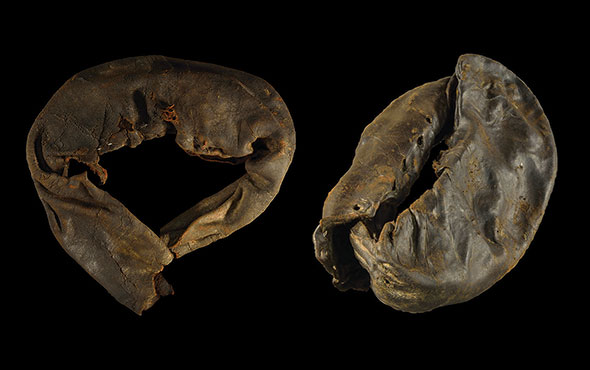
Roman Boxing Gloves
 (Courtesy Vindolanda Trust)
 -
Digs & Discoveries July/August 2018
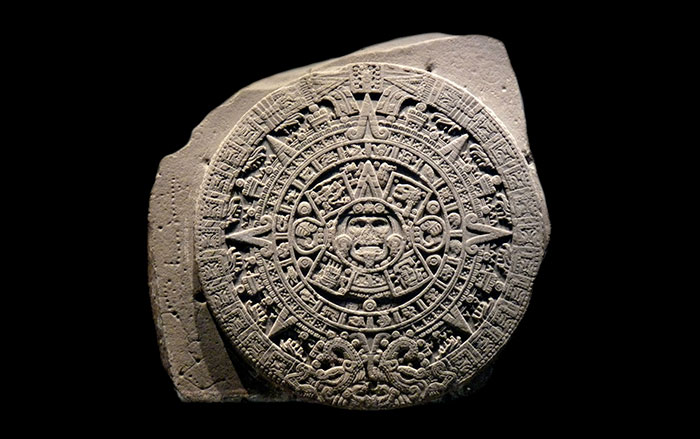
Sun Storm
 (Universal History Archive/UIG via Getty Images)