FROSTERLEY, ENGLAND--A section of an Anglo-Saxon cross has been uncovered at the site of a thirteenth-century church in northern England. The eighth-century stone cross was carved from limestone, which is not native to the area. Paul Frodsham, head of the excavation project, thinks the cross may have come from a seventh-century Anglo-Saxon monastery in north Yorkshire. “What we have is the left point arm of the cross and by comparison to other crosses elsewhere we know it is Anglo Saxon,” he said. Excavators and volunteers also found a thirteenth-century font in the chapel that was carved from local marble.
Anglo Saxon Cross Found in England’s County Durham
News September 26, 2013
Recommended Articles
Features July/August 2026
Egypt's First Queen
How a trailblazing ruler pulled her realm back from the brink
Features July/August 2026
Secrets of the Serpent
Is a Native American origin story embedded in Ohio’s colossal earthwork?
Features July/August 2026
Slinging Insults
Greek and Roman soldiers fired pointed barbs at their enemies
Features July/August 2026
Inside Africa’s Houses of Stone
Archaeologists are rethinking how kings shared power beyond the great capitals of medieval Zimbabwe
-
Features July/August 2013
The First Vikings
Two remarkable ships may show that the Viking storm was brewing long before their assault on England and the continent
Courtesy Liina Maldre, University of Tallinn -
Features July/August 2013
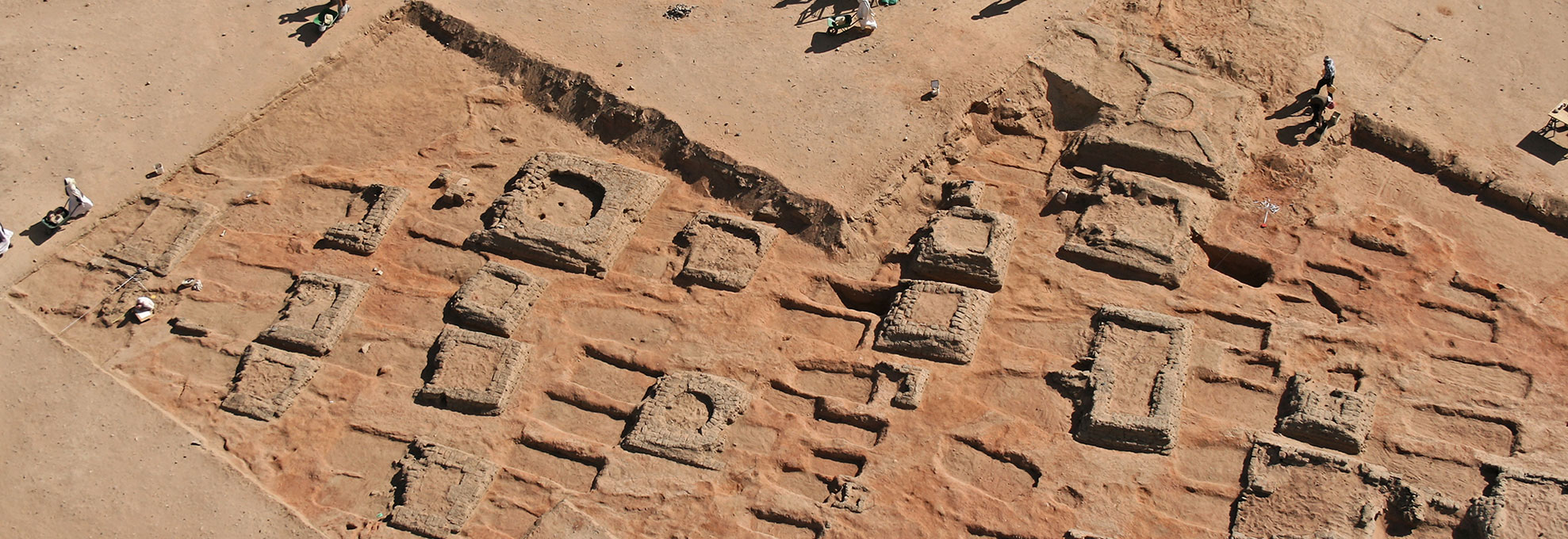
Miniature Pyramids of Sudan
Archaeologists excavating on the banks of the Nile have uncovered a necropolis where hundreds of small pyramids once stood
(Courtesy B-N Chagny, SEDAU/SFDAS) -
Letter from China July/August 2013
Tomb Raider Chronicles
Looting reaches across the centuries—and modern China’s economic strata
(Courtesy Lauren Hilgers, Photo: Anonymous) -
Artifacts July/August 2013
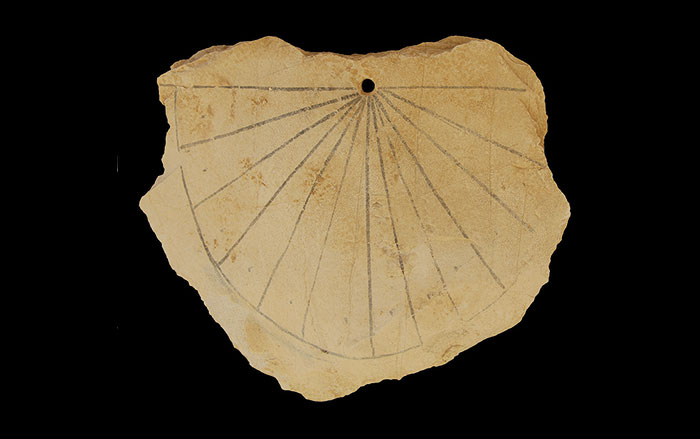
Ancient Egyptian Sundial
A 13th-century limestone sundial is one of the earliest timekeeping devices discovered in Egypt
(© The Trustees of the British Museum/Art Resource, NY)