A publication of the Archaeological Institute of America

Archaeological Headlines By JESSICA E. SARACENI
Wednesday, March 27

Israel’s Early Stone Age Farmers

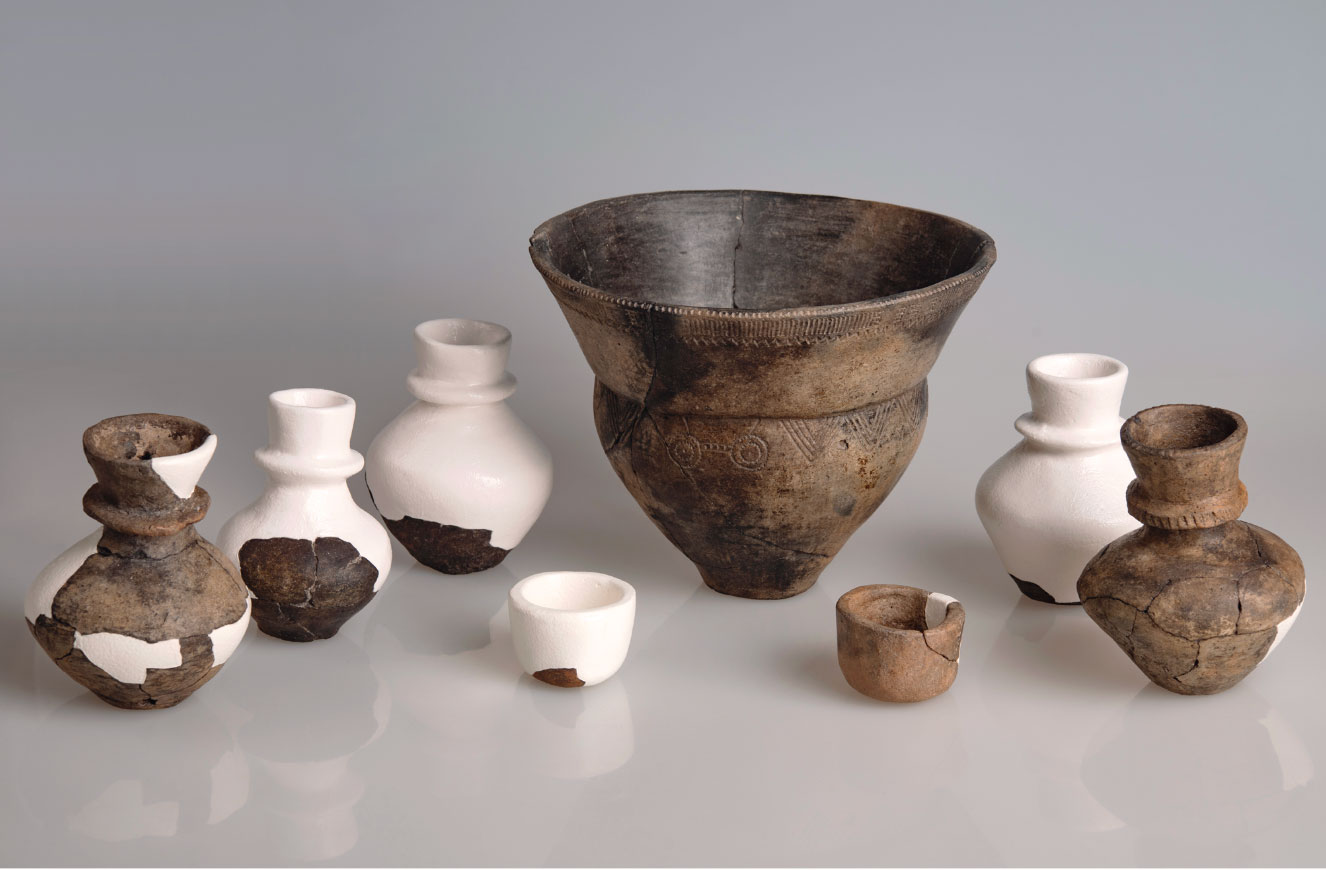
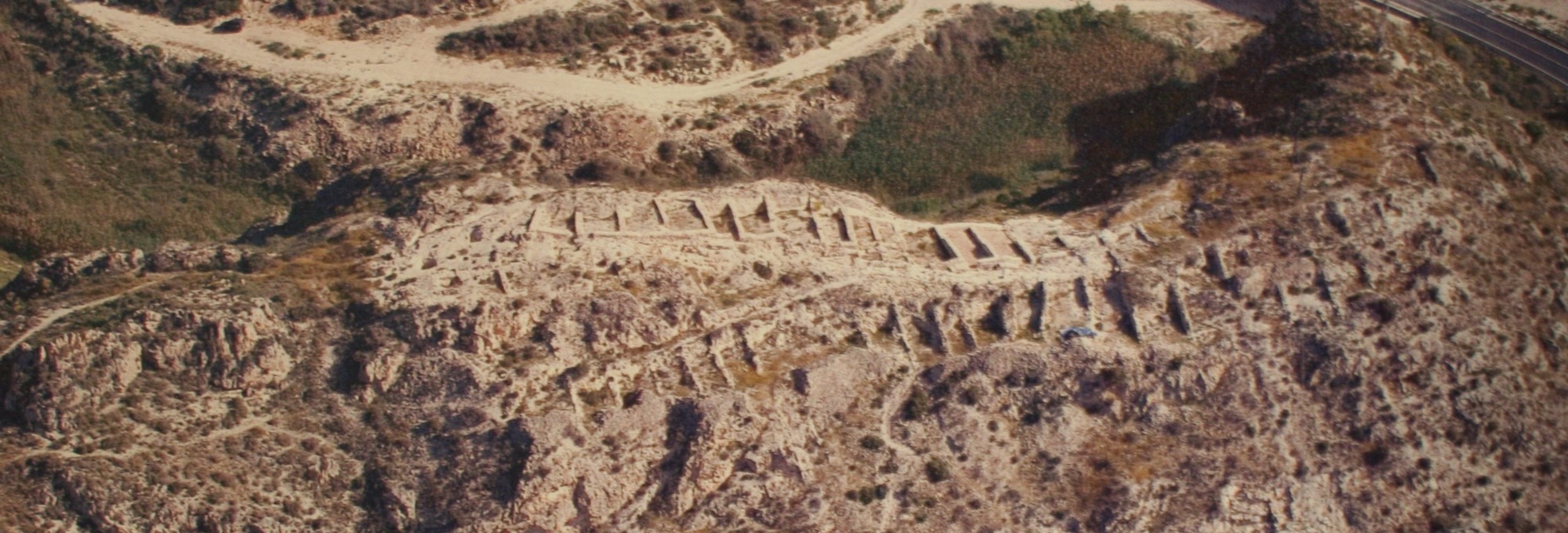
AHIHUD JUNCTION, ISRAEL—Construction of a new railway line in northern Israel has uncovered two settlements, the first from the Pre-Pottery Neolithic period. These buildings were carved from the bedrock, and some of them had plaster floors. “We found a large number of flint and obsidian arrowheads, polished miniature stone axes, blades and other flint and stone tools. The large amount of tools made of obsidian, a material that is not indigenous to Israel, is indicative of the trade relations that already existed with Turkey, Georgia, and other regions during this period,” said Yizhak Paz and Ya’akov Vardi of the Israel Antiquities Authority. They also found thousands of charred broad bean seeds in a pit, indicating that these early farmers were growing legumes. Later buildings, from the Early Chalcolithic period, were constructed with thick walls of stone and clay and were sometimes covered with plaster. Archaeologists also found pig bones, pottery and flint tools, in addition to a stone phallus figurine and a palette on which an image of female genitals had been etched. The scientists say these symbolic items represented the fertility of the earth.

Church Exhumes Possible Grave of Alfred the Great

WINCHESTER, ENGLAND—Human remains thought to be those of Alfred the Great, who died in A.D. 899, have been exhumed from an unmarked grave at St. Bartholomew’s Church. Alfred, the first “king of the English,” had been buried near Winchester Cathedral, but his body was moved to Hyde Abbey in 1110, which was later destroyed during the reign of Henry VIII. Some think his bones were transferred to St. Bartholomew’s in the eighteenth century. Church officials decided to empty the grave in order to protect the bones from curiosity seekers. Nick Edmonds, a church spokesperson, said that no applications have been made to study the bones at this time. “Of course, that would only be granted if the court were satisfied with everything proposed, both legally and ethically. Whatever happens, the remains will stay in the care and protection of the church and the consistory court until they are reinterred,” he added.  

Historic Shipwreck May Be a Dutch Trader

DRUMBEG, SCOTLAND—A shipwreck off the coast of Scotland’s northwest Highlands is one of the first to be nominated for the country’s new Historic Marine Protected Area status. Although the ship has not yet been identified in historical records, the three cannons recovered from the site were made in Sweden for use by the Dutch. A white Delft tile decorated with a blue image of a three-masted ship flying the Dutch flag was also found. Personal weapons recovered from the wreckage may have been carried by the crew as protection from privateers. Based upon this evidence, archaeologists think that the vessel may have been owned by the Dutch East India Company, and that it sank sometime between 1650 and 1750. “We have conducted a lot of research on new methods of underwater digital survey and the survey at Drumbeg gave us the perfect opportunity to apply this new technology to an entire wreck site for the first time, and with fantastic results,” said John McCarthy of WA Coastal and Marine, an educational charity.

Tuesday, March 26

Human Migration Wiped Out Pacific Bird Species

CANBERRA, AUSTRALIA—Scientists estimate that some 1,000 species of birds were eradicated when humans migrated into the Pacific region. The plump, flightless birds had evolved on the islands without major predators, and probably became an easy food source for humans. Those that weren’t eaten may have lost their habitats to land clearing practices. Conservation ecologist Richard Duncan of the University of Canberra and his team developed a statistical model to estimate the number of undiscovered, extinct, non-perching land birds that may have been lost by comparing the fossil record to species that are still alive today. “The proportion of living birds that we know are missing from the fossil record gives you an idea of how many extinct species are [also] missing,” he said. The team concludes that roughly ten percent of the world’s bird species were lost.

Theft and Sprawl Threaten Egypt’s Heritage

DAHSHUR, EGYPT—Well-organized and well-armed gangs of thieves reportedly continue to plunder Egypt’s archaeological sites, while illegal construction encroaches upon them and sometimes even covers them. “Under Mubarak, (the pyramids) were seen as a revenue stream for tourism, and a point of pride. This government just doesn’t care,” said archaeologist Monica Hanna. Kamal Wahid of Egypt’s Antiquities Ministry says that the reports of damage are exaggerated, and counters that the new government simply lacks the resources to protect archaeological sites because of the steep drop in foreign tourism.

Social Networks in the Southwest

TUSCON, ARIZONA—Researchers led by Barbara Mills of the University of Arizona compiled a database of more than four million ceramic artifacts and 4,800 obsidian artifacts from more than 700 sites in the Southwest. The artifacts all date between A.D. 1200 and 1450. By applying formal social network analysis to the collection, or finding out who was making, using, and discarding similar objects over the course of daily life, they found that a large social network in the southern part of the Southwest grew very large before it collapsed. On the other hand, social networks in the northern part of the Southwest were more fragmented, but they persisted over time. “That really shocked us, this idea that you can have such long distance connections. In the pre-Hispanic Southwest they had no real vehicles, they had no beasts of burden, so they had to share information by walking,” Mills explained.

King’s Distant Relatives Want Reburial in York

LEICESTER, ENGLAND—Last year, a human skeleton identified as that of Richard III was discovered at a medieval monastery site by a team from Leicester University. The Plantagenet Alliance, a group of 15 people who claim to be descendants of relatives of Richard III, wants the king’s bones to be buried in York, where he spent his childhood. The members assert that their right to a private and family life was violated by the Ministry of Justice, which granted an archaeological investigation license to Leicester University. “Re-interment on the nearest consecrated ground is in keeping with good archaeological practice. Richard has lain in the shadow of St Martin’s Cathedral, Leicester, for over 500 years….There is no obligation to consult living relatives where remains are older than 100 years,” said a spokesperson from the university. Richard III’s final resting place will probably bring in significant tourist revenue.