|
|
Shell Midden Uncovered in St Thomas
CHARLOTTE AMALIE, ST THOMAS—A 1,500-year-old midden has been discovered beneath a public square in the U.S. Virgin Islands. It is made up of whelk shells; bones from fish, birds, rodents, and marine mammals; and pottery fragments. “We have a major site here, one that is rich in the history of St. Thomas. It takes priority over everything else because once the water lines are put in, the site will be completely destroyed. We have to extract as much information as possible,” said archaeologist David Hayes.
Medieval Village Discovered in Scotland
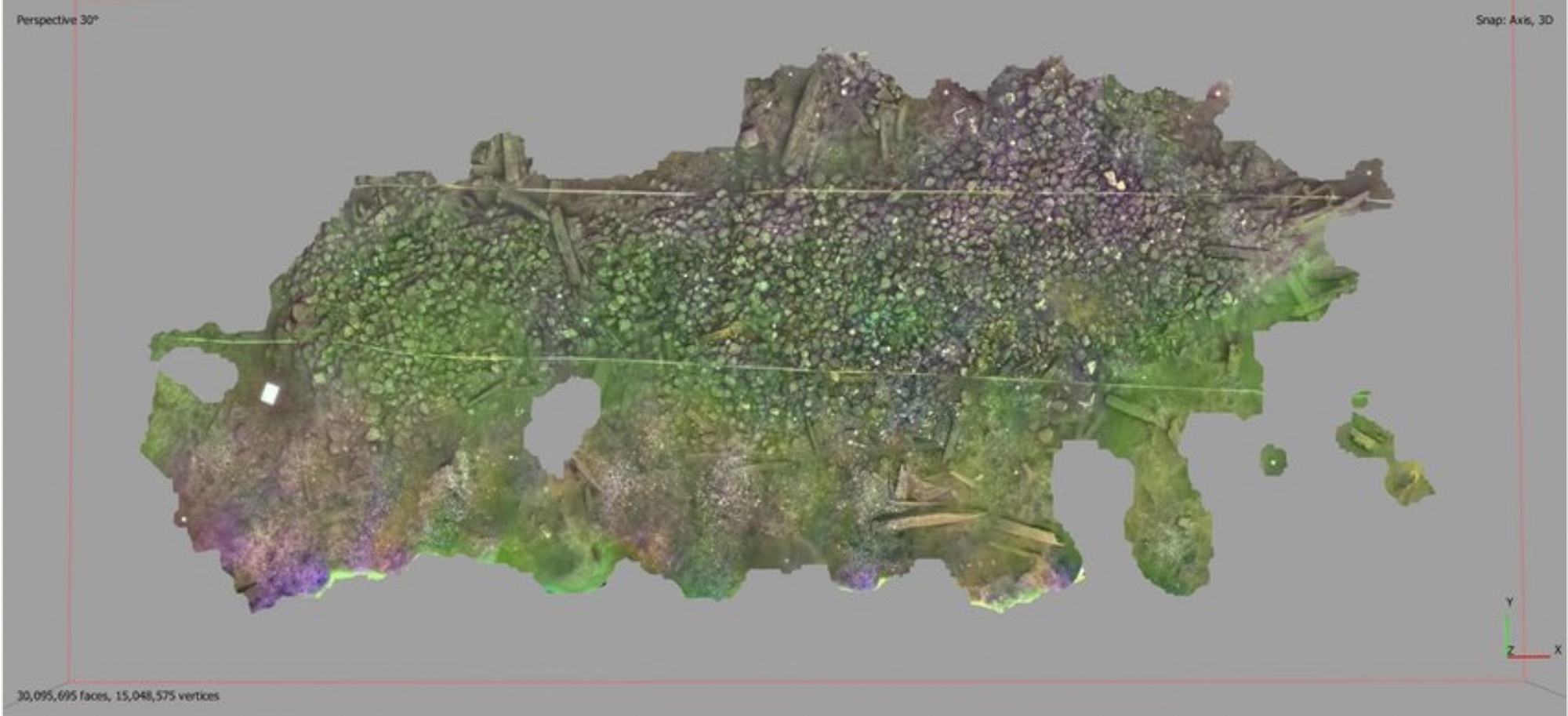
SELKIRK, SCOTLAND—Traces of a medieval village, including stone buildings with stone floors, have been uncovered in southern Scotland, near the English border. The buildings had been placed along a cobbled street that ran through the village. “It is not every day that medieval villages are found—most of them are known, this one was completely unknown,” said archaeologist Chris Bowles, of the Scottish Borders Council.
Explorer’s Skis Will Return to the Antarctic
CHRISTCHURCH, NEW ZEALAND—A pair of wooden skis used by polar explorer Edward Atkinson in the early twentieth century will be returned to Cape Evans, the base camp of the British Terra Nova Expedition. This attempt to be the first to reach the geographic South Pole ended in the deaths of Robert Falcon Scott and four others. Atkinson, a physician on the expedition, survived. His skis were collected from a hut at Cape Evans in 1948 by a U.S. Navy helicopter pilot, whose son has donated them to the Antarctic Heritage Trust. “The provenance of the skis is beyond doubt. These are a most poignant link to Capt. Scott’s last expedition,” said Nigel Watson, director of the Antarctic Heritage Trust.
Unexpected 19th-Century Cemetery Unearthed
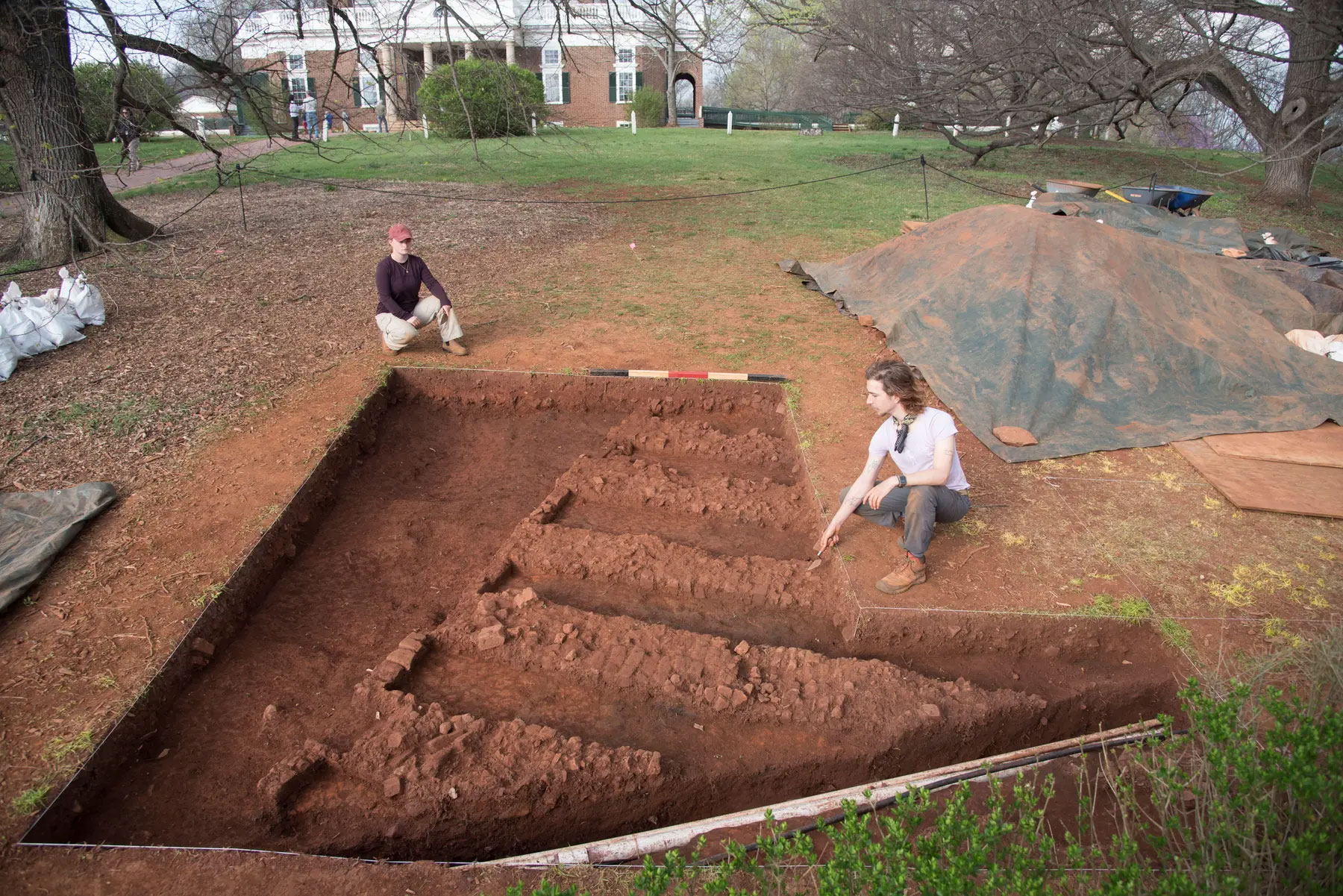
CHARLESTON, SOUTH CAROLINA—More than 25 graves have been uncovered during a construction project within the city of Charleston, at site that is known to have been a meat market in the eighteenth century. No records indicate that the site was used as a cemetery, however. The graves are thought to predate 1852, with the oldest dating to the 1760s. “We’ll try to figure out just how many there are and where they are and the city will take that information and then figure out a plan of what to do with them,” said archaeologist Eric Poplin.
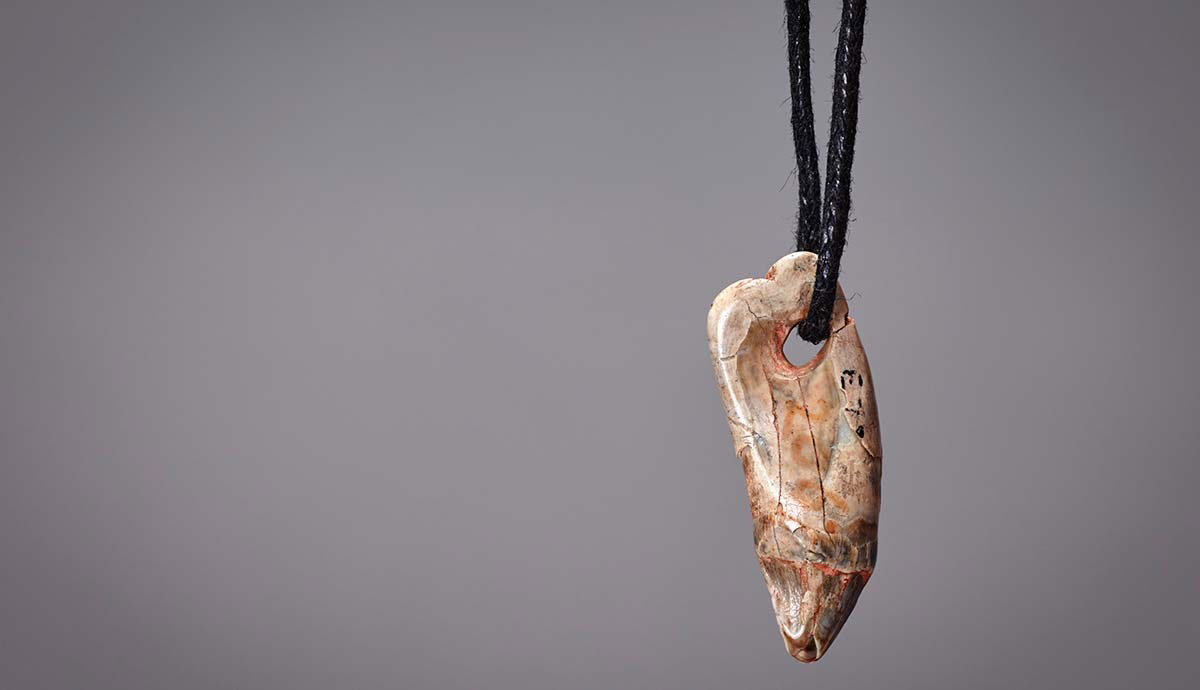
EDMUNTON, CANADA—A new study of carved pendants made by the Beothuk people of Newfoundland offers insight into their thoughts on the afterlife. The Beothuk nation had lived in Newfoundland for at least 1,000 years before the arrival of Europeans in the fifteenth century, which eventually led to their extinction. Many of the pendants that they left behind as funeral goods depict the webbed feet and feathers of seabirds. “Why depict seabirds when you’ve got bears and wolves and seals and whales? While a waddling sea duck might not appear to be a glorious animal, these birds were powerful to the Beothuk because they moved easily from one world to the next—water to air,” said Tod Kristensen of the University of Alberta.
Cause of Death Sought for Anna Maria De’ Medici
MANNHEIM, GERMANY—Anna Maria Luisa de’ Medici, the last of the powerful Medici family, died in 1743 after a long and painful illness. It had been thought that she suffered from syphilis or breast cancer, but newly released photographs of her remains, taken in 1966 after severe flooding in Florence, show her skeleton to be mostly intact, thus ruling out late-stage syphilis. Biological anthropologist Albert Zink of the European Academy of Bolzano, Italy, will analyze a bone sample collected in 1966. “Full DNA sequence information may allow us to identify any susceptibility genes for breast cancer, but we don’t yet know if the sample is of sufficient quality for this since the tomb environment had been very damp,” he said.
Additional DNA Tests for Richard III
LEICESTER, ENGLAND—Geneticist Turi King of the University of Leicester used mitochondrial DNA to identify the remains of Richard III. She was able to match a sample from the skeleton with one taken from a descendant of Richard III’s sister, Anne of York. This type of mitochondrial DNA is transmitted through women and is carried by about one percent of the English population. King’s team is now working on identifying Richard III through DNA on the Y chromosome, which is only carried by men. She has identified four living descendants of John of Gaunt, son of Edward III, who was Richard III’s great-great-grandfather. She hopes to produce enough Y chromosome DNA from the skeleton in order to make a comparison.
Modern Development Digs Up Ancient Villages
OXFORDSHIRE, ENGLAND—Excavations have revealed that the site of a large new development has been home to generations of people for 9,000 years, beginning with hunter gatherers who left behind pieces of worked flint. A Neolithic bowl was found in a hole where a tree had once stood. “It may have been an offering to the gods of the underworld,” explained archaeologist Rob Masefield. A rare pond barrow that was probably used for exposure burials during the Bronze Age was uncovered, along with three burials in grain storage pits dug in a large Iron Age village made up of roundhouses. Roman-era features will be buried under playing fields. Some local residents are campaigning for the other areas of the site to be preserved in the form of a history trail marking significant places and a museum.
Statue of Fire God Unearthed at Teotihuacan
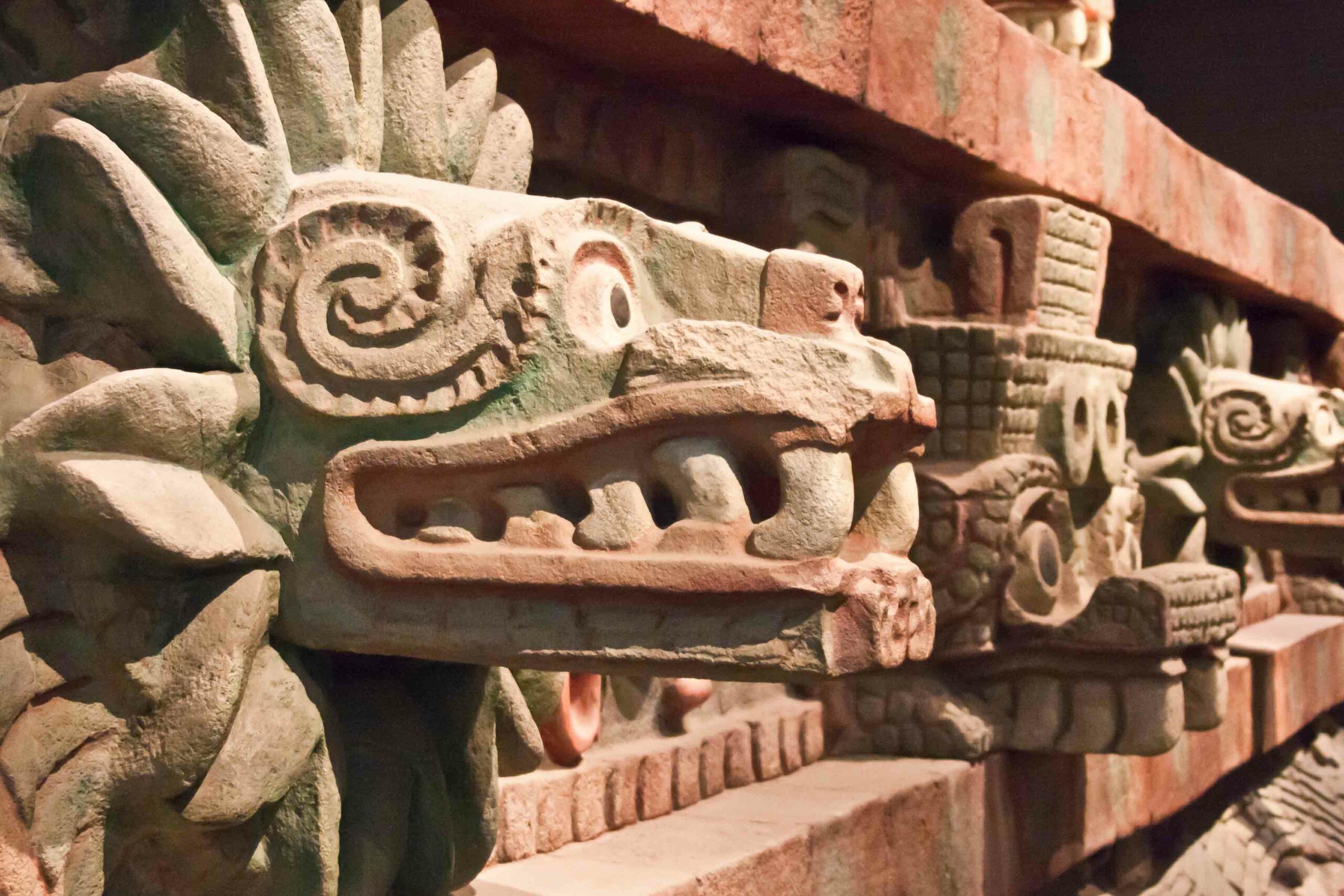
MEXICO CITY, MEXICO—A figure of the fire god Huehueteotl carved from volcanic stone has been found buried in the top of the Pyramid of the Sun at Teotihuacan. “Once we didn’t find the bottom of the platform, upon further digging we figured out it was a pit,” said Nelly Nuñez of the National Institute of Anthropology and History. The sculpture, which weighs more than 400 pounds, had been placed in the pit beneath a platform that was probably the foundation for a temple. Two stone pillars were also found in the pit. Huehueteotl is associated with wisdom and rulership, and is depicted as a seated old man wearing a fire source on his head.
Artifact Smuggling Threatens Syria’s Heritage
AMMAN, JORDAN—Many archaeological artifacts have been stolen from sites and museums during Syria’s civil war, according to a report from Maamoun Abdulkarim, head of the country’s antiquities department, who has asked for help from the United Nations to stop the illicit trade. Some of the objects that are missing include an eighth-century B.C. bronze statue stolen from the Hama National Museum, and Byzantine mosaics bulldozed from the Roman city of Apamea. Other historic sites have been damaged or destroyed in battle. “We want a united front to stop the destruction. These acts are not only attacks on Syria’s heritage, they are attacks on the world’s heritage,” he said.
Remains Recovered From the USS Monitor Will Be Reburied
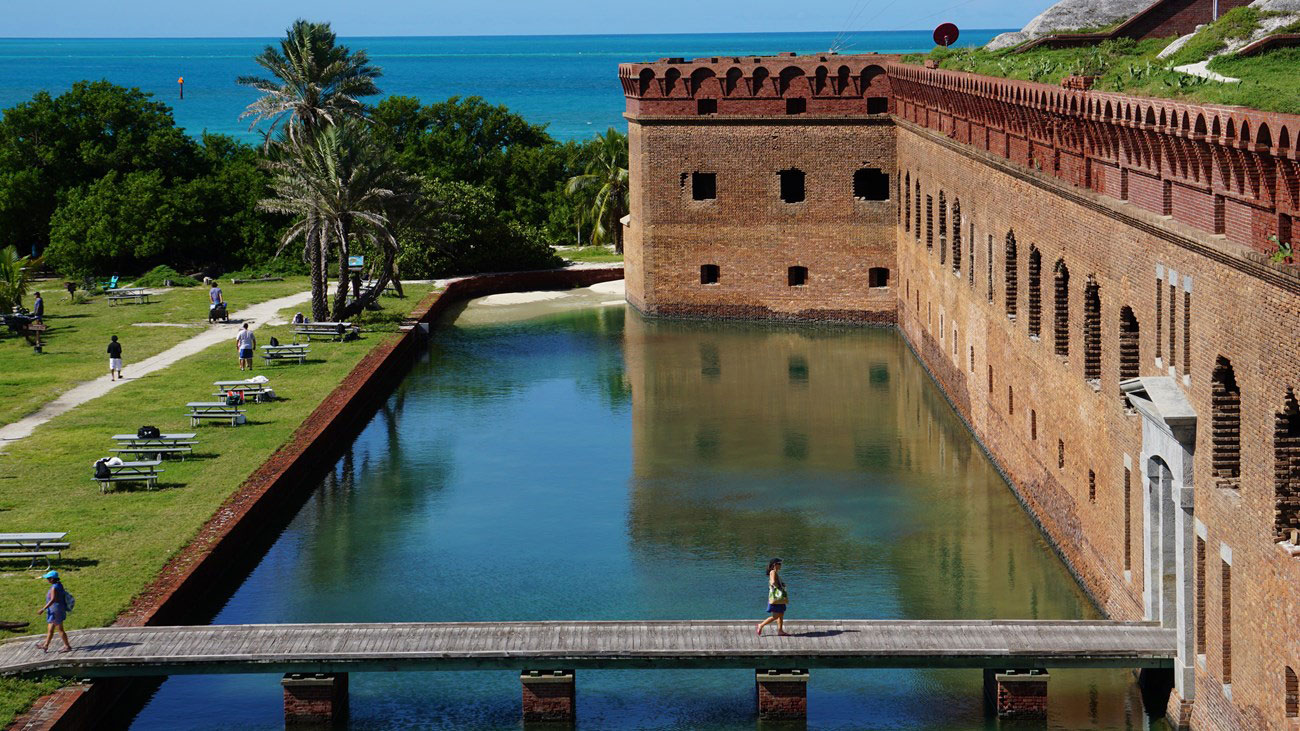
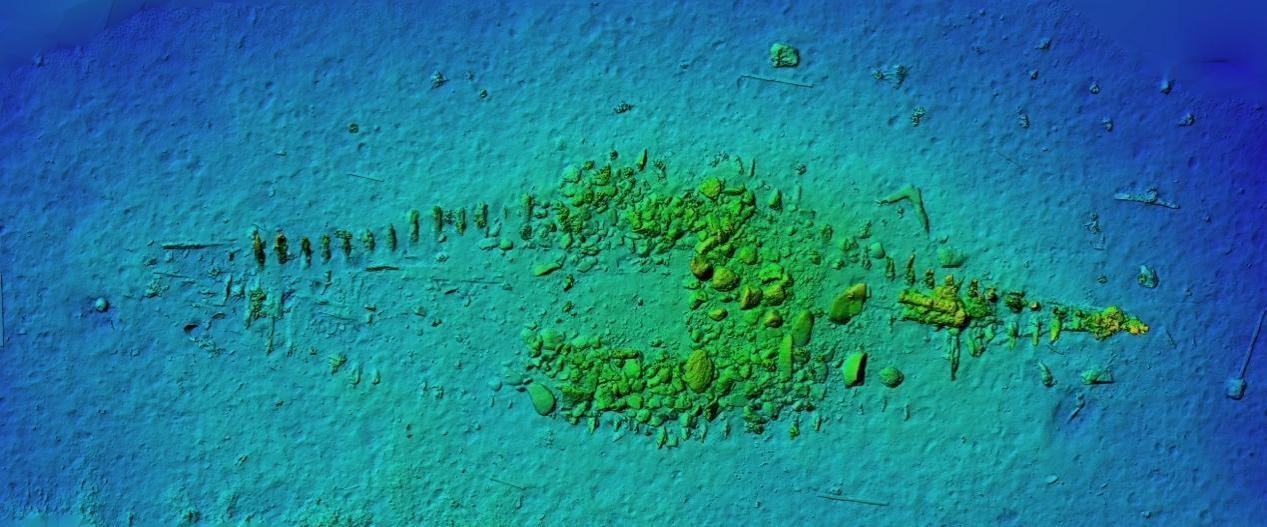
PEARL HARBOR, HAWAII—The skeletal remains of the two Union sailors found in the turret of the USS Monitor will be buried in Arlington National Cemetery with full military honors next month. The men died when the Monitor, known for its Civil War battle with the ironclad CSS Merrimack, capsized and sank in a storm off the coast of North Carolina in 1862. Scientists from the military’s Joint POW/MIA Accounting Command have attempted to identify the sailors’ remains for the past ten years, but they have not been able to pin down definitive answers. “Here we have two men who were lost in a storm, forgotten by even many of their descendants. But the nation’s never forgotten,” said David W. Alberg of the National Oceanic and Atmospheric Administration.
Ancient Temple Found at Peru’s El Paraiso
LIMA, PERU—Archaeologists have found a 5,000-year-old temple in the right wing of the main pyramid at the site of El Paraiso. The rectangle-shaped temple was made of stone covered with yellow clay that also contained traces of red paint, and it was entered through a narrow passageway. The researchers think priests used its central hearth to communicate with the gods. “The main characteristic of their religion was the use of fire,” said archaeologist Marco Guillen.
EDINBURGH, SCOTLAND—Linda Fibiger of the University of Edinburgh and her team examined 478 late Stone Age skulls found in Sweden and Denmark for signs of violence, and found that up to one in six of the skulls had been injured. Men suffered from more nonfatal wounds, but the researchers were surprised to find that women were as equally likely to die from a blow to the head as men. It had been thought that women would have been spared during raids because of their potential to bear and raise children. Now Fibiger thinks that women may have been easy targets during an attack “because you’re probably going to try and protect your children rather than being able to properly defend yourself,” she explained.