|
|
Arrests Made in Sale of Korean Artifact
OXFORD, MICHIGAN—A Michigan resident has been arrested on charges of illegally selling a Korean artifact, one month after a New Jersey man was arrested for purchasing the item. The artifact, a currency plate dating to 1893, was brought to the U.S. by an American serviceman after the Korean War. Both men had been contacted by the Korean Embassy and the U.S. State Department and warned that the sale could be in violation of the National Stolen Property Act. “The cultural and symbolic worth of these items far surpasses any monetary value to the people and nations of their origin,” said William Hayes, acting special agent in charge of Homeland Security Investigations, Detroit.
Computer Software Reconstructs Ancient Language
BERKELEY, CALIFORNIA—New computer software is being used to reconstruct protolanguages from modern ones. “It’s very time consuming for humans to look at all the data. There are thousands of languages in the world, with thousands of words each, not to mention all of those languages’ ancestors,” said Dan Klein of the University of California, Berkeley. The software identifies changes in words in a group of languages and then “reverses them” to find early words. “At a much deeper level, our system doesn’t explain why or how certain changes happened, only that they probably did happen,” Klein added.
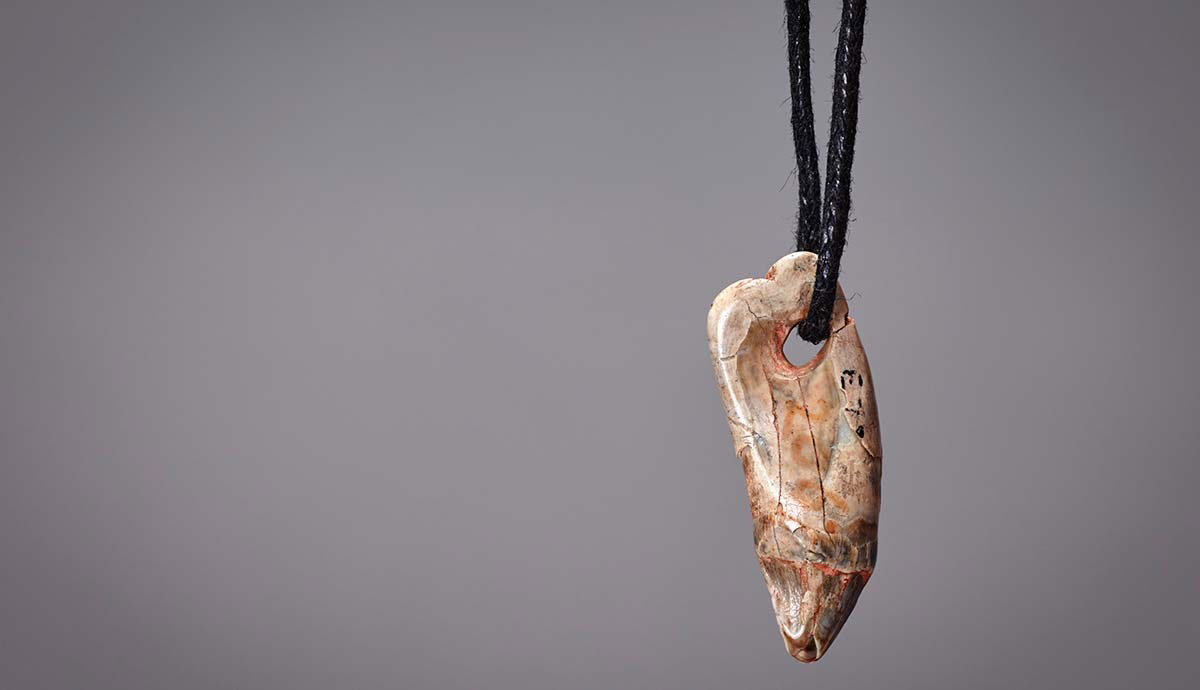
LEPENSKI VIR, SERBIA—Analysis of the strontium levels in the teeth of 153 skeletons from nine sites along the Danube River suggests that some Mesolithic hunter-gatherers and early Neolithic farmers mingled 8,200 years ago. For many years, the hunter-gatherers fished in the Danube and traded for marine shells with other hunter-gatherers. Their teeth reflect the composition of the river sediments. By the time of the Late Mesolithic, however, different strontium levels were found in some of the women’s teeth, indicating that they had grown up eating a terrestrial diet. Their bones date to about the same time that Neolithic-style ornaments show up at the sites. “The forager communities were being integrated into the Neolithic social networks rather than resisting them. The picture is largely one of peaceful coexistence,” explained Dušan Borić of Cardiff University.
New Thoughts on Tutankhamun’s Parents
CAMBRIDGE, MASSACHUSETTS—Past interpretations of the genetic closeness between Tutankhamun and his father Akhenaten suggested that Tut’s mother had to have been an unknown aunt. But French Egyptologist Marc Gabolde thinks that the genetic similarity between father and son could reflect three successive generations of marriage between first cousins. If so, then Tutankhamun’s mother may have been Nefertiti, known to have been Akhenaten’s wife and his first cousin.
Eighteenth-Century Burial Discovered at Country Estate
CORNWALL, ENGLAND—Three hundred years ago, Sir James Tillie of Pentillie Castle requested that he be buried wearing his best clothes and sitting in a chair, accompanied by his books, wine, and pipe. Researchers have examined his favorite decorative building on the property, and found a burial vault beneath it. “I can confirm … there is a body actually still inside the vault,” said archaeologist Oliver Jessop. He found the vault beneath the floor of the folly, which had become known as the mausoleum, and a structure that may have been a chair or a coffin. It had been rumored that Sir James’s remains were moved to a local churchyard in the nineteenth century.
Victorian Waterworks Excavated in London
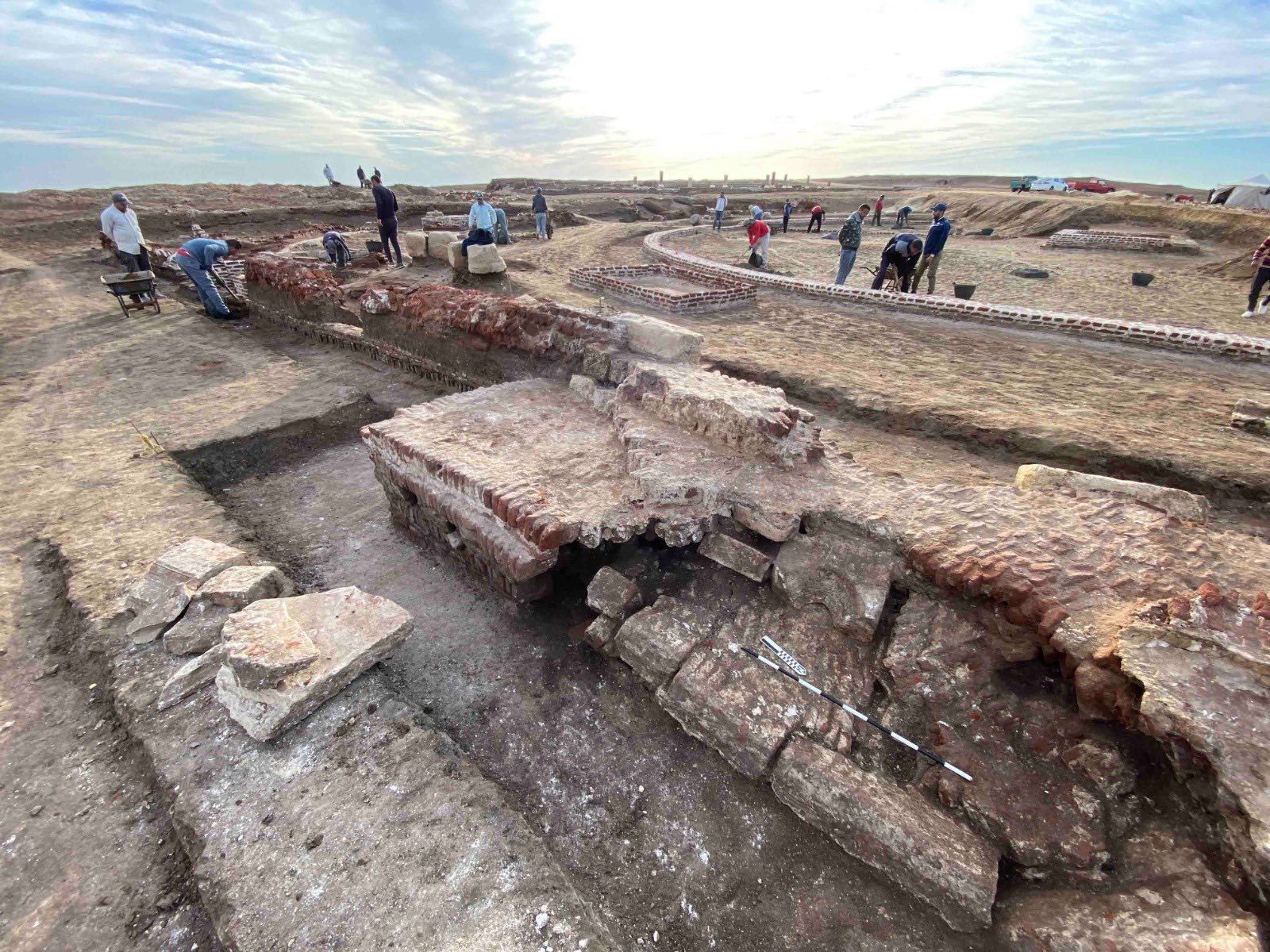
LONDON, ENGLAND—Helen Wickstead of Kingston University is excavating the site of Seething Wells, located on the school’s campus. The former waterworks opened in 1852, and provided clean water to residents during an outbreak of cholera. She is also looking for a garden marked on nineteenth-century maps. “A garden on a site like this might tell us more about the people who lived and worked nearby,” she said.
Artifacts Smuggled Along Drug Routes
BIG BEND, TEXAS—Drug smugglers are using their routes along the Texas-Mexico border to traffic in pre-Colombian artifacts looted from the Rio Grande’s limestone canyons, according to Tim Stone of Homeland Security Investigations. Agents have recovered pottery, stone points, figurines, and 2,000-year-old shoes, all estimated to be worth $250,000 on the black market. “Like almost any crime, it’s really the same—it’s profit,” he said.
Hatshepsut Temple Reconstructed at Karnak
LUXOR, EGYPT—A newly reconstructed temple will open at the Karnak Temple Complex at the end of February. The first limestone blocks of the temple, which was dedicated to the Egyptian god Amun-Re, were found scattered in a courtyard at Karnak in the early twentieth century. Other blocks had been reused and were found in different buildings in Karnak and Luxor. The temple is notable because its engraved religious scenes depict Hatshepsut’s political power even before she ascended to the throne.
First World War Training Trenches Will Be Preserved
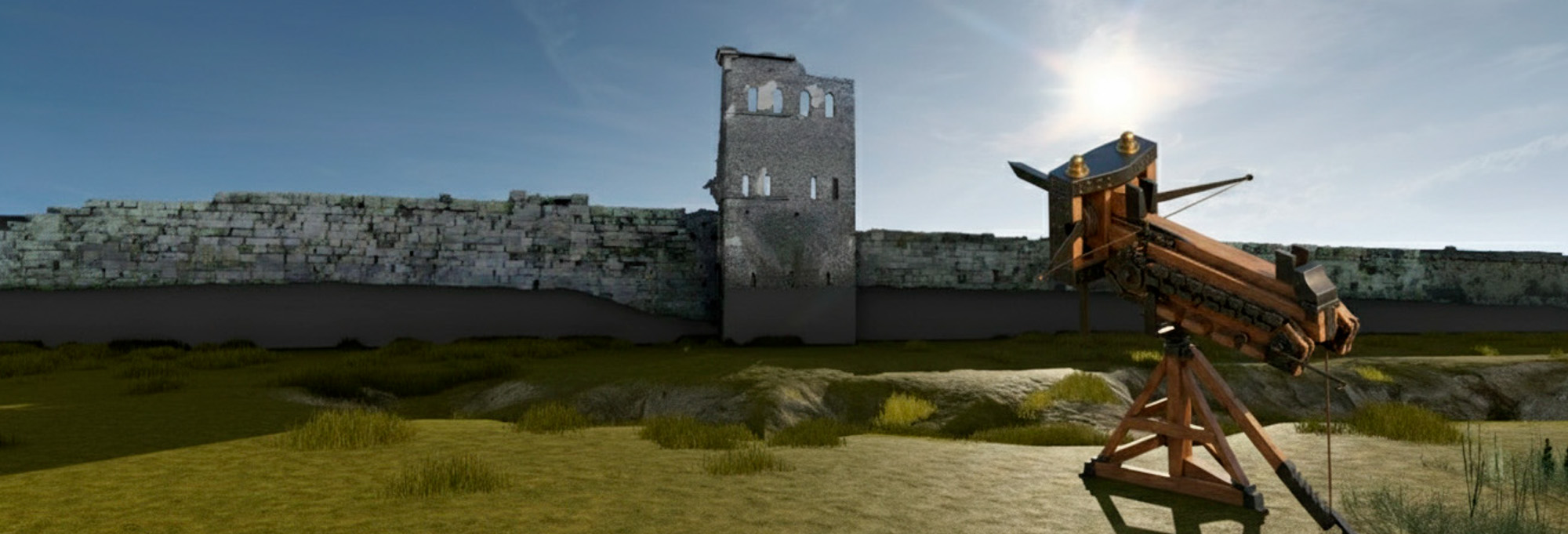
EDINBURGH, SCOTLAND—A network of trenches dug in 1914 by soldiers headed to France to will be preserved in Scotland. In the first step of the project, military archaeologists will map the trenches with GPS equipment. “We do not know anything about the extent of the trenches, what condition they are in, or the type of trenches they are. The results of this survey will be vital in helping us plan how best to manage the future of this important piece of military heritage,” said Phil Abramson of Scotland’s Defense Infrastructure Organization.
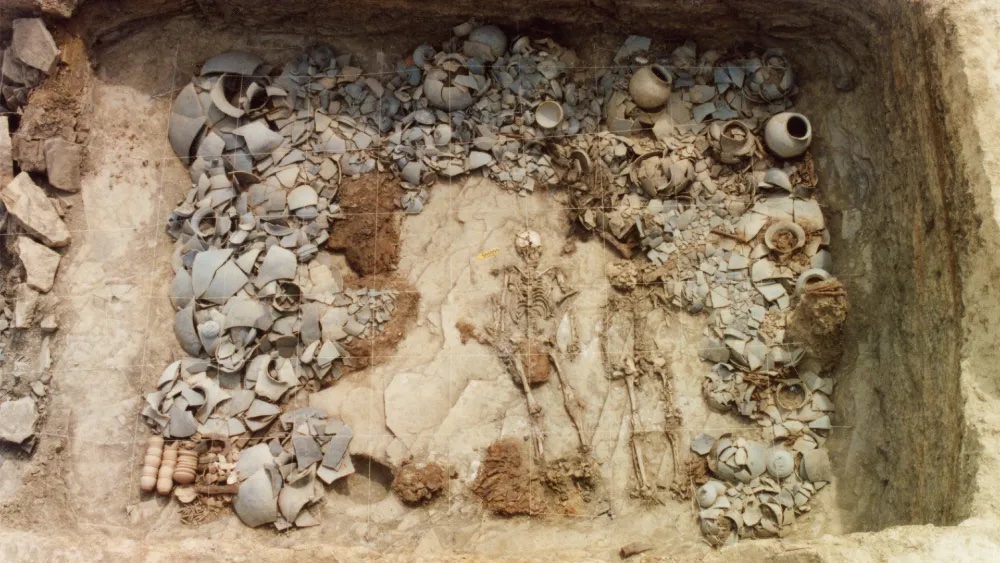
The Search for the First Bowl of Soup
CAMBRIDGE, MASSACHUSETTS—Waterproof, heatproof containers were made at least 10,000 years ago, according to Ofer Bar-Yosef of Harvard University. He and his team found such pots in a cave in China. “When you look at the pots, you can see that they were in a fire,” he explained. The pots may have been used for boiling soup or alcohol. And 25,000 years ago, soup may have been made by dropping heated rocks into a lined pit with water and other ingredients. Such broths would have balanced the diet and may even have been cooked by Neanderthals, since cooked starched grains have been found on their 46,000-year-old teeth. “This doesn’t prove that they were making soups or stews, but I would say it’s quite likely,” said John Speth, an emeritus professor of anthropology at the University of Michigan.