A publication of the Archaeological Institute of America

Archaeological Headlines By JESSICA E. SARACENI
Wednesday, January 30

Excavations in Luxor Uncover Treasures From Djehuty’s Tomb

LUXOR, EGYPT—An unadorned wooden sarcophagus that held the remains of a child who died during Egypt’s seventeenth dynasty has been found inside the tomb of Djehuty, an important government official. Djehuty was known for constructing monumental buildings for Queen Hatshepsut and for registering exotic goods brought from the land of Punt, but it appears as though his tomb was eventually used as storage space. In addition to the sarcophagus, a collection of wooden pots and pans had been recovered recently, along with several wooden Ushabti figurines dating to the eighteenth dynasty.

Gold Wreath Found in Thessaloniki Subway Dig

THESSALONIKI, GREECE—A gold wreath resembling an olive branch has been discovered during the excavation of a new station in the Thessaloniki subway system. This 2,500-year-old wreath was found within a large Macedonian tomb, adorning the head of its female occupant. It is the ninth such wreath to have been uncovered during the project. 

Restaurants Serve Tourists in Historic Beijing Temples

BEIJING, CHINA—Parts of two historic temples, the Songzhu Temple and the Zhizhu Temple, are being used as restaurants that cater to foreign visitors. The temples, which are owned by Buddhist Association of Beijing, are listed as cultural and historic sites under the city government’s protection. The restaurants had provided funding for the restoration of the temples. Government authorities are now seeking to strengthen cultural heritage regulations.

Artifacts Recovered From Quake-Damaged Zone in New Zealand

CHRISTCHURCH, NEW ZEALAND—Tens of thousands of artifacts have been recovered during the archaeological investigation of earthquake-damaged areas of central Christchurch, including Maori objects, gold prospecting equipment, and a roller skate. In particular, the excavation of a domestic rubbish pit at the site of the Isaac Theatre Royal has recovered many intact bottles and ceramics, such as an earthenware crucible used to separate metals. “We didn’t expect to find anything. Looking at old maps of the area from 1877, there were very few houses on that block,” said archaeologist Kirsa Webb.

Tuesday, January 29

Biblical Archaeologists Square Off in Libel Suit

JERUSALEM, ISRAEL—Canadian biblical archaeologist and documentary filmmaker Simcha Jacobovici, whose work on the so-called "Jesus Family Tomb" Archaeology covered last year, is embroiled in a lawsuit with another biblical archaeologist, Joe Zias. Jacobovici is suing Zias for libel, claiming his critic, according to an email Jacobovici sent TIME magazine, “has accused me repeatedly — verbally and in writing — of ‘forging archaeology’ … a criminal activity, and no free society allows you to accuse people of such activities, unless you can prove that what you are saying is correct.” 

The Origins of Curry

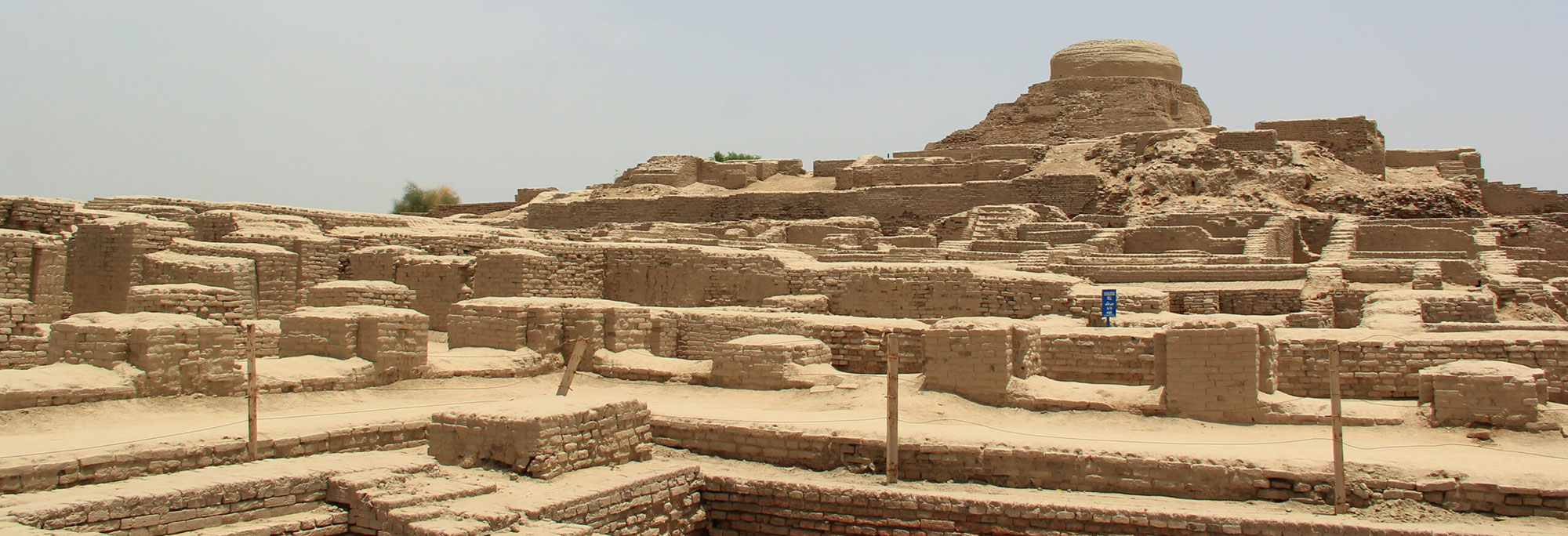
FARMANA, INDIA—Archaeologists at the University of Washington at Vancouver have analyzed human teeth and residue found on pots from the site of Farmana—which dates back more than four thousand years ago and is located roughly 100 miles northwest on New Delhi—and found the first evidence of use of turmeric and ginger in cooking. Farmana was part of the Indus civilization, which once ranged from eastern Iran to modern-day Delhi. Archaeology contributing editor Andrew Lawler reports in Slate that the use of these spices at the site likely constitutes the first known instance of curry being part of a people’s diet—making it also, possibly, “the oldest continuously prepared cuisine on the planet.”

Experts Baffled by Dark Age Ring

YORK, ENGLAND—Scholars gathered in York last weekend to discuss an enigmatic sapphire ring found by a metal detectorist in 2009. The beaded gold piece, which is unlike any other in the museum's collection, may date to between the seventh and eleventh centuries A.D. "This beautiful ring has really got us puzzled," said Natalie McCaul, curator of archaeology at the Yorkshire Museum. A jeweler who replicated the piece attended the meeting to explain how he remade the ring, and offered insights into how the original craftsman may have fashioned the unusual artifact.

Locals Rescue Timbuktu's Medieval Manuscripts

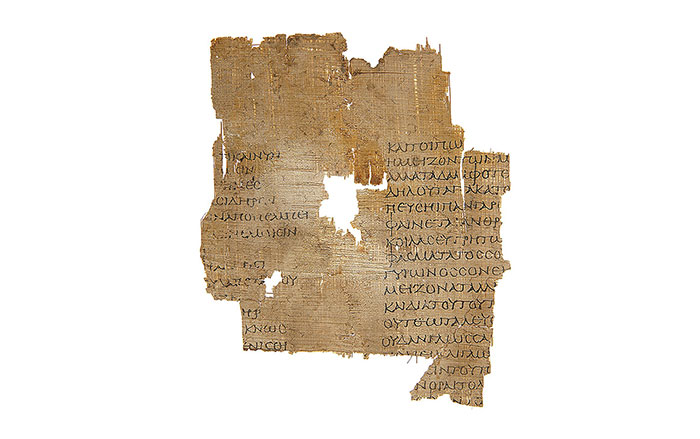
TIMBUKTU, MALI—Reports yesterday indicated that Islamic militants fleeing Timbuktu in the face of advancing Malian and French forces burned two libraries that were thought to hold some 40,000 medieval manuscripts. But the latest news is that most of those priceless texts, which are part of some 300,000 known historic documents stored in and around Timbuktu, were not destroyed after all. Before the rebels seized the city last year locals secretly removed most of the treasured manuscripts from the libraries. “They were put in a very safe place. I can guarantee you," said a Malian government official. "The manuscripts are in total security.” Archaeologists studying West Africa's medieval period rely on the documents for information about the economy and social order of the time.

Monday, January 28

Ancient Chinese Arrowhead Found in Japan

OSAKA, JAPAN—Chinese news agency Xinhua reported the discovery of a bronze arrowhead dating back to between 475 and 221 B.C. in western Japan. The arrowhead was of the so-called "double-winged" style that is a distinctive sign it was originally made in China and imported to Japan. Archaeologists believe the arrowhead, which measures fewer than one-and-a-half inches long, was used for ritual purposes, rather than for military ones.   

Empty Mexican Lake Is Site of Mass Burial

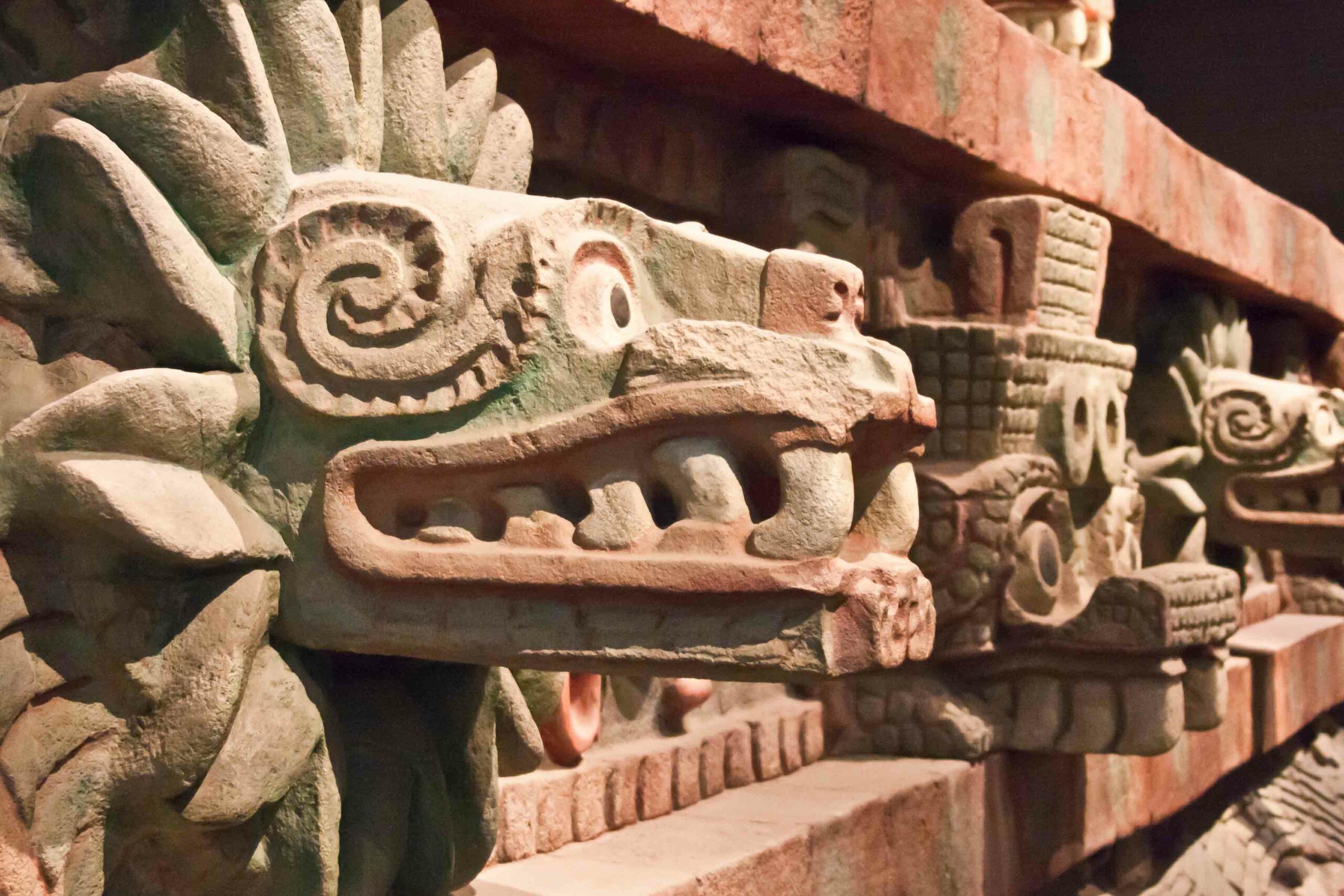
XALTOCAN, MEXICO—Archaeologists at Georgia State University have discovered more than 150 human skulls with vertebra attached in a drained lake not far from Mexico City. Analysis of the remains found at Lake Xaltocan indicates that they are primarily the heads of men dating back roughly 1,100 years, between A.D. 600 and 850. The finds run counter to previous thought that sacrifices typically took place at large pyramids within ceremonial centers, such as nearby Teotihuacan. Other evidence found along with the skulls, including pottery and figures depicting a water god, suggest a ritualistic purpose to the sacrifices.

Ancient Americans Built Mounds Quickly

POVERTY POINT, LOUISIANA—Some archaeologists assume it took generations for early Native Americans to erect the massive earthen works that cover the eastern United States. But new excavations at the site of Poverty Point, which dates between 1650 and 700 B.C., have shown that one 70-foot-tall mound was built there in just three months. Somehow small bands of hunter-gatherers were able to organize enough labor to complete this monumental public works project in only one season. "Whatever the structure of Poverty Point society,” wrote the researchers, “it is unlike anything documented in the historic or contemporary hunter-gatherer ethnographic record.”

Find Rewrites Confederate Submarine's Legend

CHARLESTON, SOUTH CAROLINA—Conservators working on the remains of H.L. Hunley, which sank in Charleston Bay in 1864 just after attacking the USS Housatonic, have discovered a piece of torpedo still attached to the submarine’s 20-foot spar. Eyewitness accounts put the sub 100 feet from the blast that eventually sank the Union ship, suggesting the crew remotely detonated its explosives. But the new discovery shows Hunley was still attached to the torpedo when it exploded, meaning the attack was far more risky than previously thought. “I would say this is the single-most important piece of evidence we have found from the attack,” said Maria Jacobsen, the Hunley project's senior archaeologist.