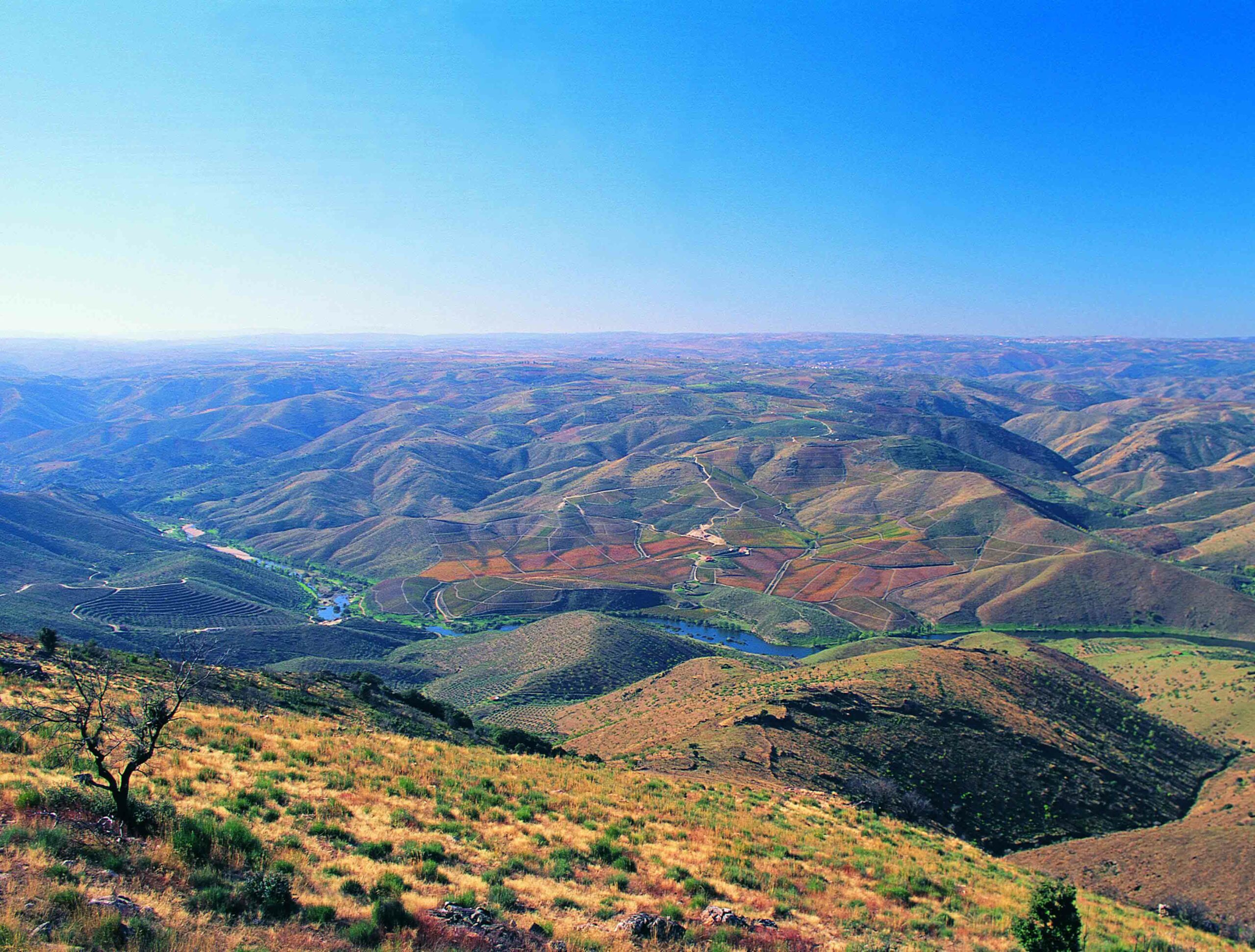
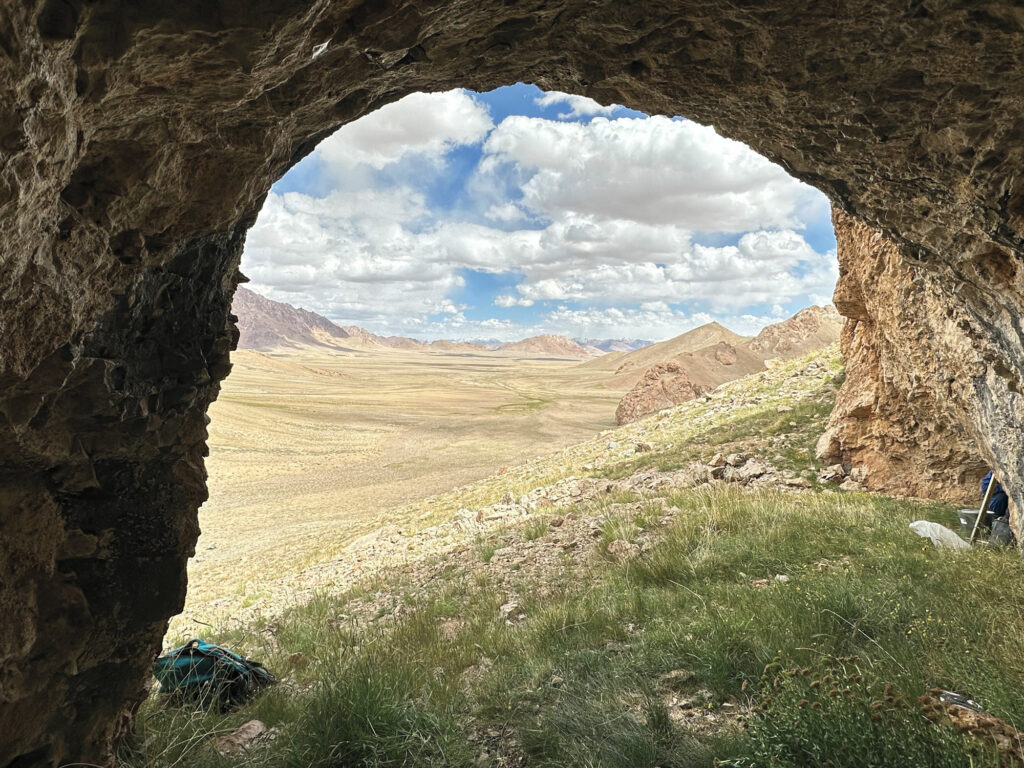
From the valley floor, the cave on a high ridge seemed promising to archaeologist Bobomullo Bobomulloev of Tajikistan’s National Academy of Sciences. Since 2023, Bobomulloev and archaeologist Svetlana Shnayder of the Siberian Branch of the Russian Academy of Sciences Institute of Archaeology and Ethnography had been surveying the high desert landscape of the Eastern Pamir Mountains, whose peaks reach more than four miles above sea level. This landscape is often called the roof of the world. The archaeologists were searching for caves that hold traces of Paleolithic people who lived in the area beginning some 15,000 years ago, during the last Ice Age. These people hunted ibex, wild sheep, and perhaps even bears. The researchers had identified more than a dozen new caves that Paleolithic artists once used as canvases to create red and yellow ocher paintings. The small grotto entrance the pair spied on a July day in 2024 seemed worth investigating, but neither archaeologist was particularly excited by the prospect of scrambling 200 feet up to the ridge to get to it. But scramble they did, and their efforts were soon rewarded.