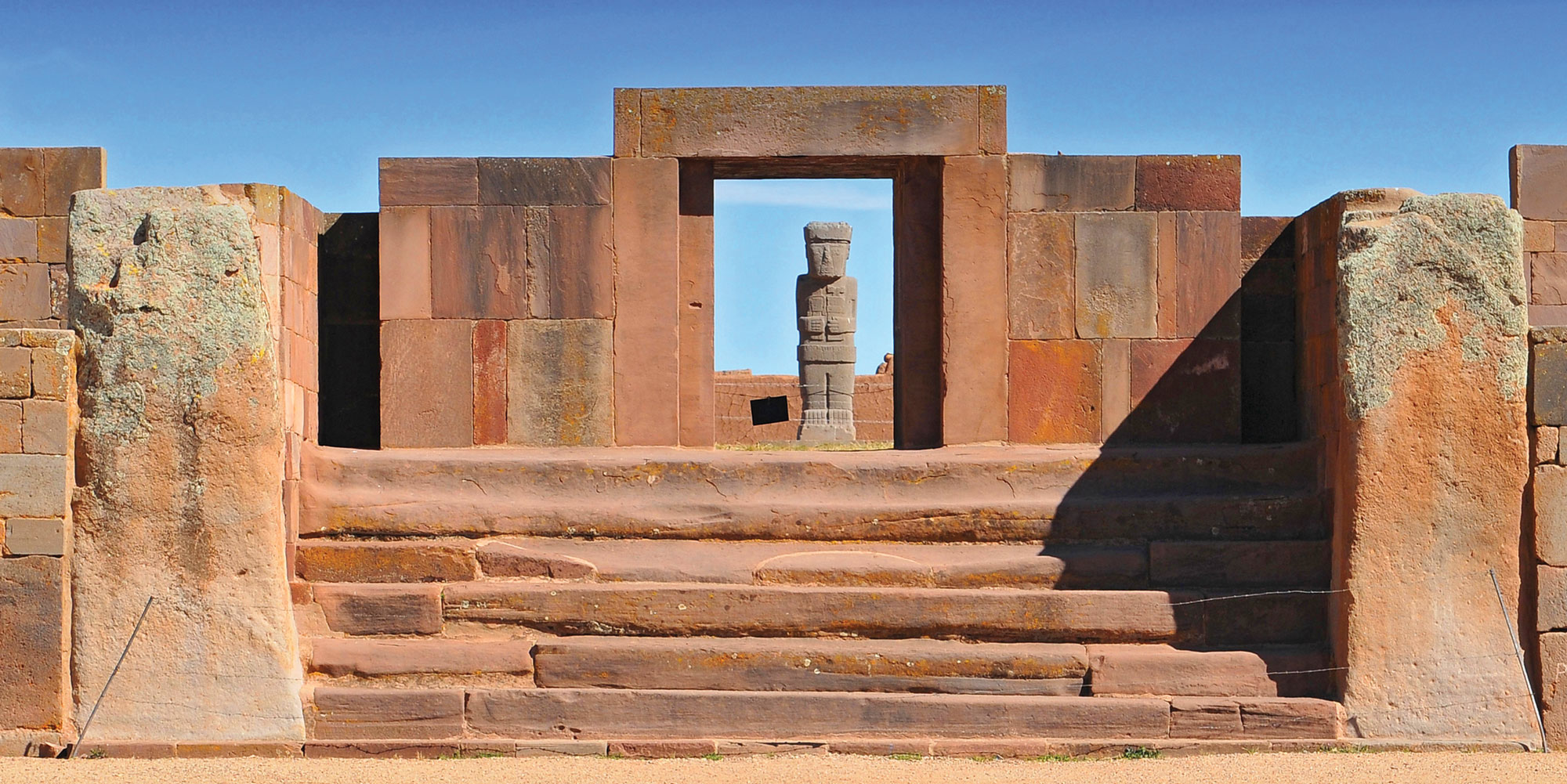
BADEN-WÜRTTEMBERG, GERMANY—An analysis of DNA samples suggests that elite Iron Age Celts may have passed power along matrilineal lines, according to a Live Science report. The samples were taken from 31 skeletons recovered from seven burial sites in southwestern Germany that have been dated to the sixth and fifth centuries B.C. and include gold and bronze artifacts. State of Baden-Württemberg archaeologist Dirk Krausse and his colleagues identified two men buried in neighboring mounds who were likely an uncle and a nephew through shared maternal ancestry, while a woman and a man buried in mounds about 60 miles and 100 years apart may have been a great-grandmother and her great-grandson. Another two samples were found to have been individuals born to parents who were first cousins. Population geneticist Stephan Schiffels of the Max Planck Institute for Evolutionary Anthropology explained that although power was not commonly passed through the maternal line in Iron Age Europe, it was known to occur when confidence in an offspring’s paternity may have been low. “If a ruler has children on their own but also passes power to their sister’s children, then there might be an incentive to merge the direct and the sister’s lineage, which would then result in first-cousin matings through the female line,” he explained. “But we cannot prove such a scenario from the genetic data,” he cautioned. Read the original scholarly article about this research in Nature Human Behaviour. To read about a large cache of Iron Age metal objects found in western Germany, go to "A Twisted Hoard."
Genetic Study Investigates Relationships Between Iron Age Elites
News June 5, 2024
Recommended Articles
Off the Grid September/October 2026
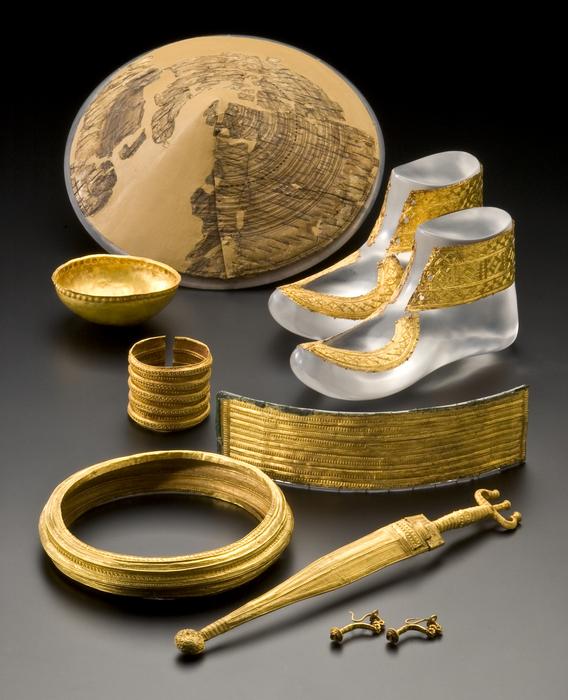
Xunantunich, Belize
Learning to draw monkeys at an ancient Maya art academy
Letter from Ireland September/October 2026
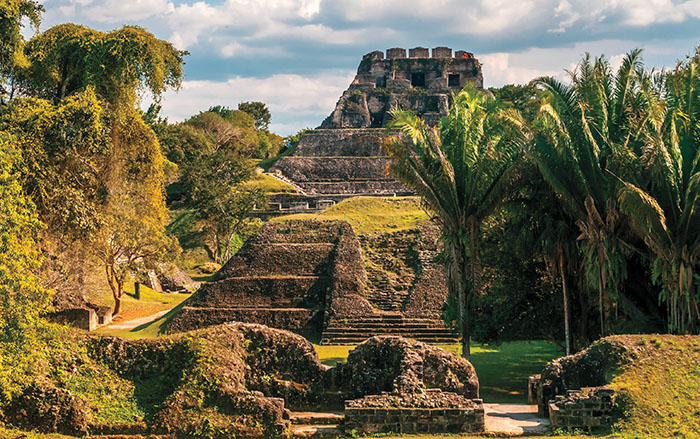
A War Between Friends
How IRA volunteers survived the Irish Civil War in a secret mountain hideout
Features September/October 2026
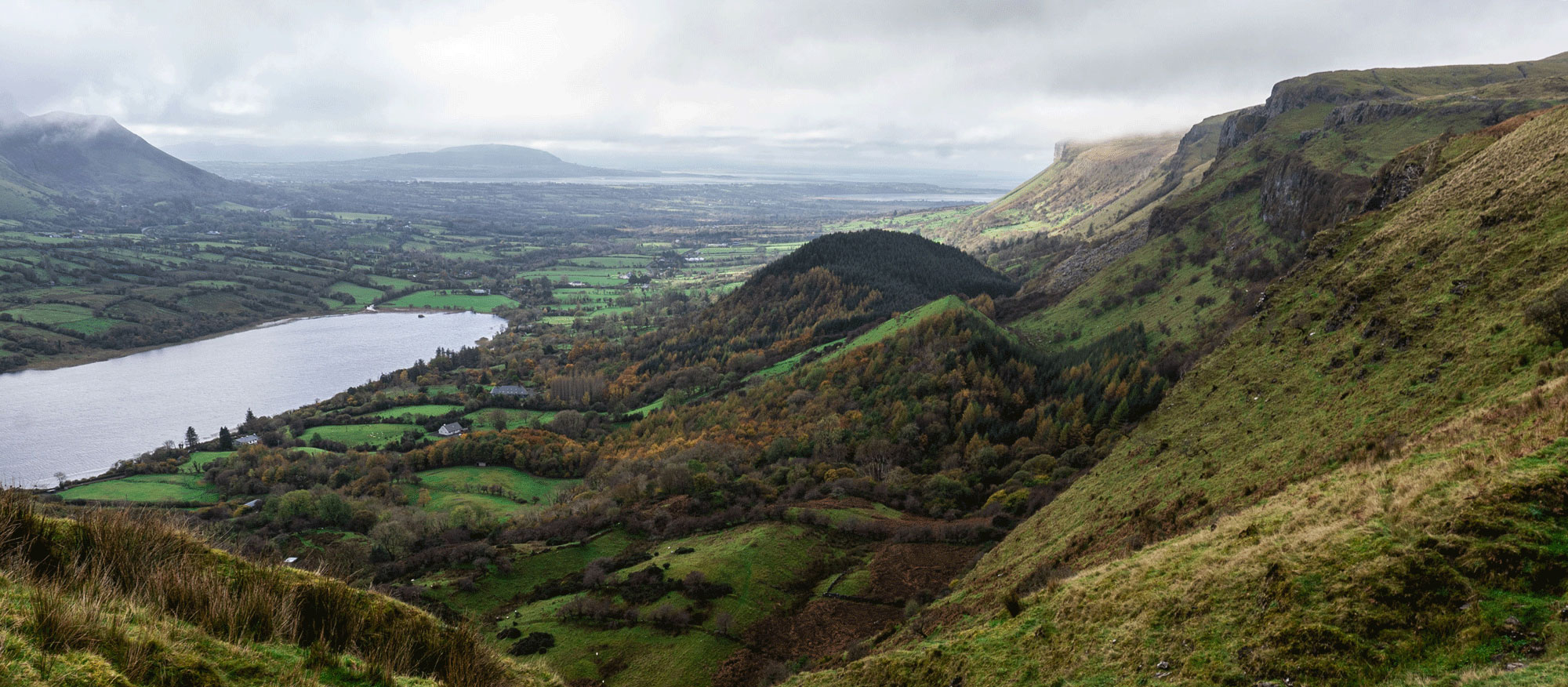
A Change in Fashion
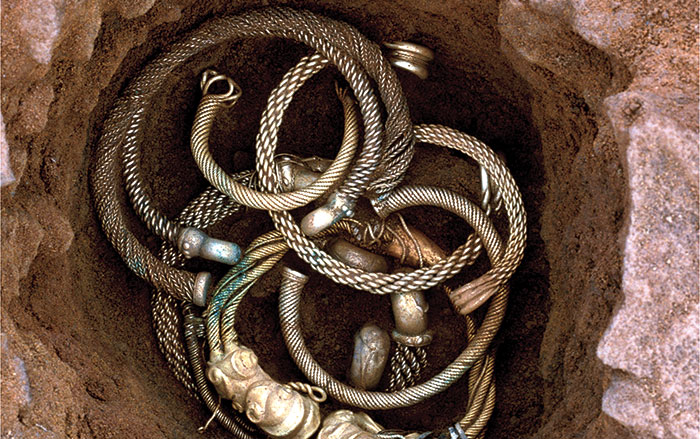
Hoards of lavish gold and silver neck rings buried on an English hill reflect dramatic social change
Features September/October 2026
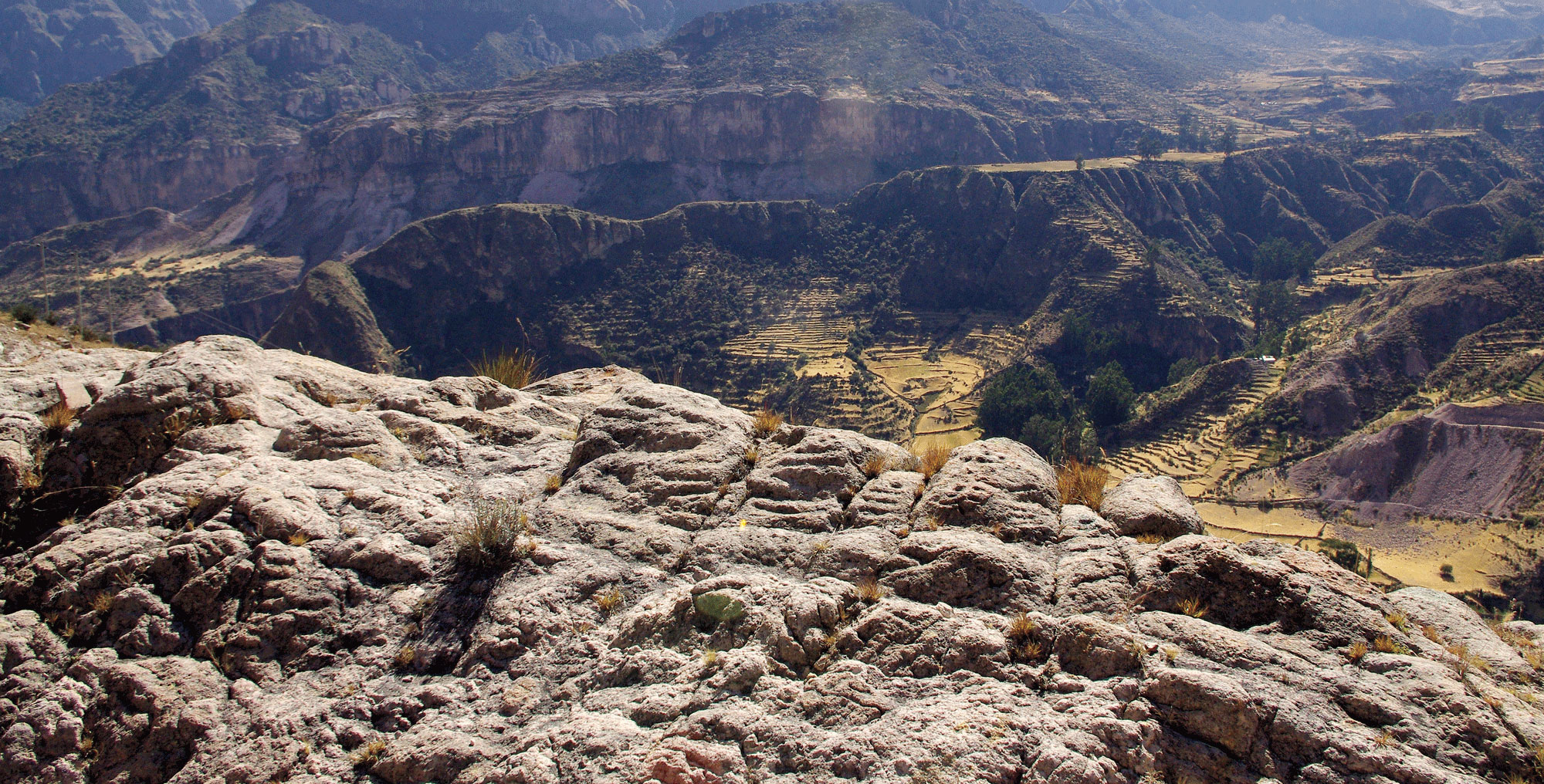
Cultivating Fields of Stone
Peru’s ancient farmers used intricate rock maps to plan for the future
More to Discover
Features July/August 2024
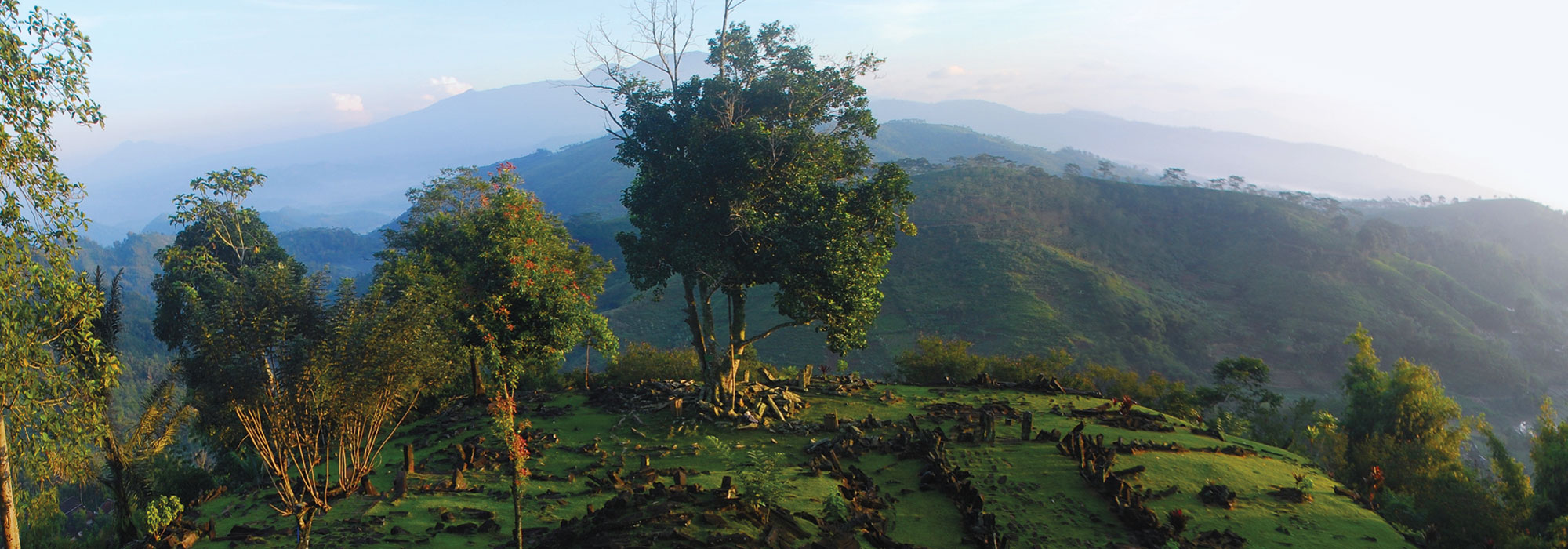
Java's Megalithic Mountain
Across the Indonesian archipelago, people raised immense stones to honor their ancestors
-
Features July/August 2024
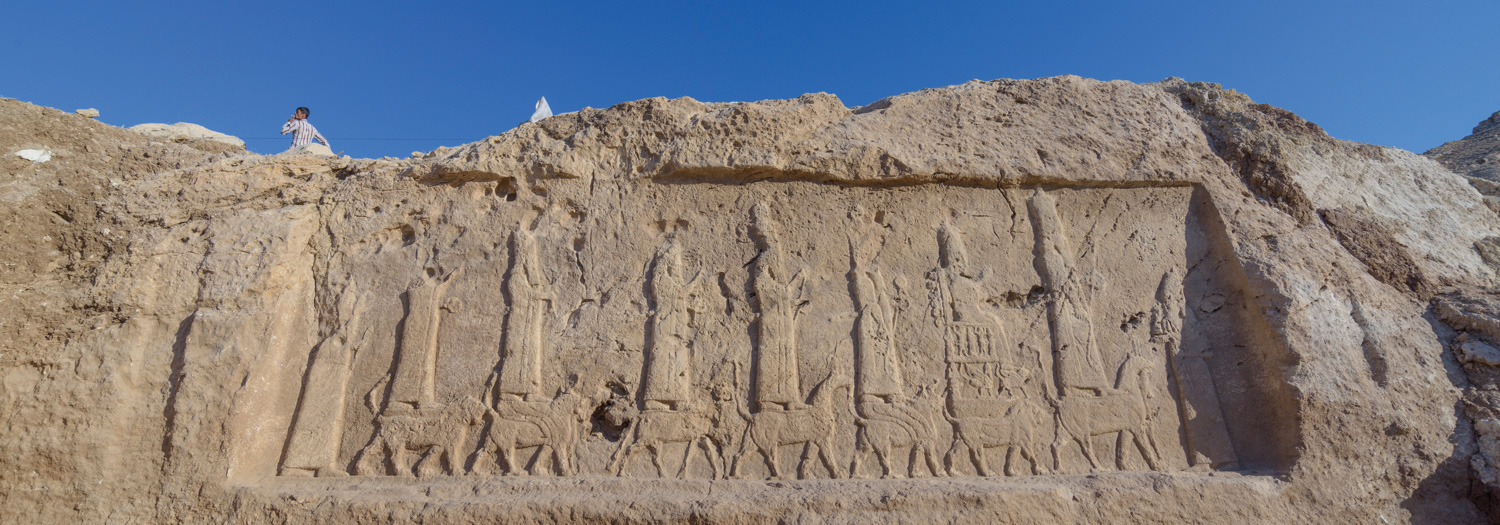
The Assyrian Renaissance
Archaeologists return to Nineveh in northern Iraq, one of the ancient world’s grandest imperial capitals
 (Land of Nineveh Archaeological Project)
 -
Features July/August 2024
A Dynasty Born in Fire
How an upstart Maya king forged a new social order amid chaos
 (Courtesy Proyecto Arqueológico Ucanal)
 -
Features July/August 2024
Making a Roman Emperor
A newly discovered monumental arch in Serbia reveals a family’s rise to power in the late second century a.d.
 (Serbia’s Institute of Archaeology)
 -
Features July/August 2024
Rise and Fall of Tiwanaku
New dating techniques are unraveling the mystery of a sacred Andean city