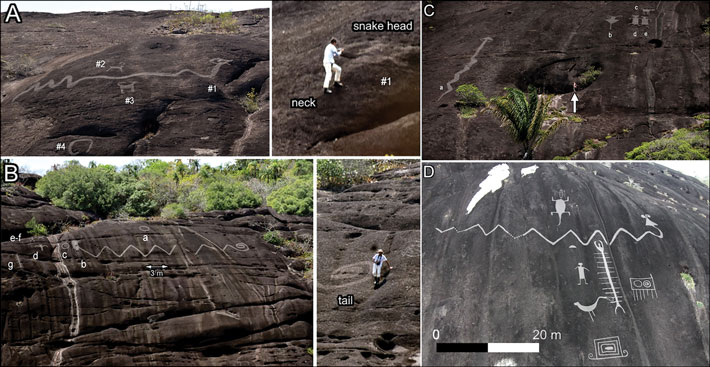
LONDON, ENGLAND—According to a statement released by Antiquity, a new study of rock engravings along the Atures Rapids on the Orinoco River in Colombia and Venezuela suggests that they may have been used to communicate territorial boundaries more than 2,000 years ago. Philip Riris of Bournemouth University and his colleagues worked with local guides to map artworks at 14 sites in the river basin with drone photography. Some of these rock art sites had been previously identified, but a few of them were discovered during the project. The images, including depictions of snakes measuring more than 130 feet long, resemble motifs on pottery uncovered in the area. “We know that anacondas and boas are associated with not just the creator deity of some of the Indigenous groups in the region, but that they are also seen as lethal beings that can kill people and large animals,” Riris said. Team member José Oliver of University College London noted that this stretch of the river was an important trade route and point of contact for local groups. The researchers suggest that the monumental artworks would have been highly visible. “Snakes are generally interpreted as quite threatening, so where the rock art is located could be a signal that these are places where you need to mind your manners,” Riris concluded. Read the original scholarly article about this research in Antiquity. To read about other rock art identified along the Atures Rapids, go to "World Roundup: Venezuela."
Rock Art May Have Marked Territory in South America
News June 5, 2024
Recommended Articles
Off the Grid November/December 2026
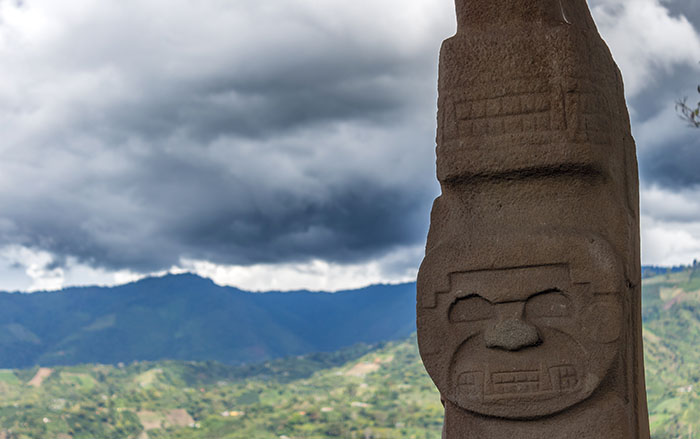
San Agustín, Colombia
Letter from Cape Canaveral November/December 2026
Dawn of the Space Age
Archaeologists have made surprising discoveries spanning 3,000 years at the birthplace of American space exploration

Features November/December 2026
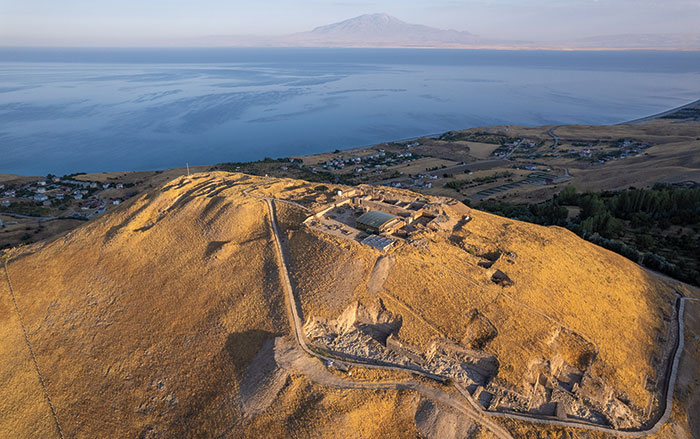
Kingdom of Fortresses
How diverse and far-flung Iron Age chiefdoms united to challenge the Assyrian Empire
Features November/December 2026
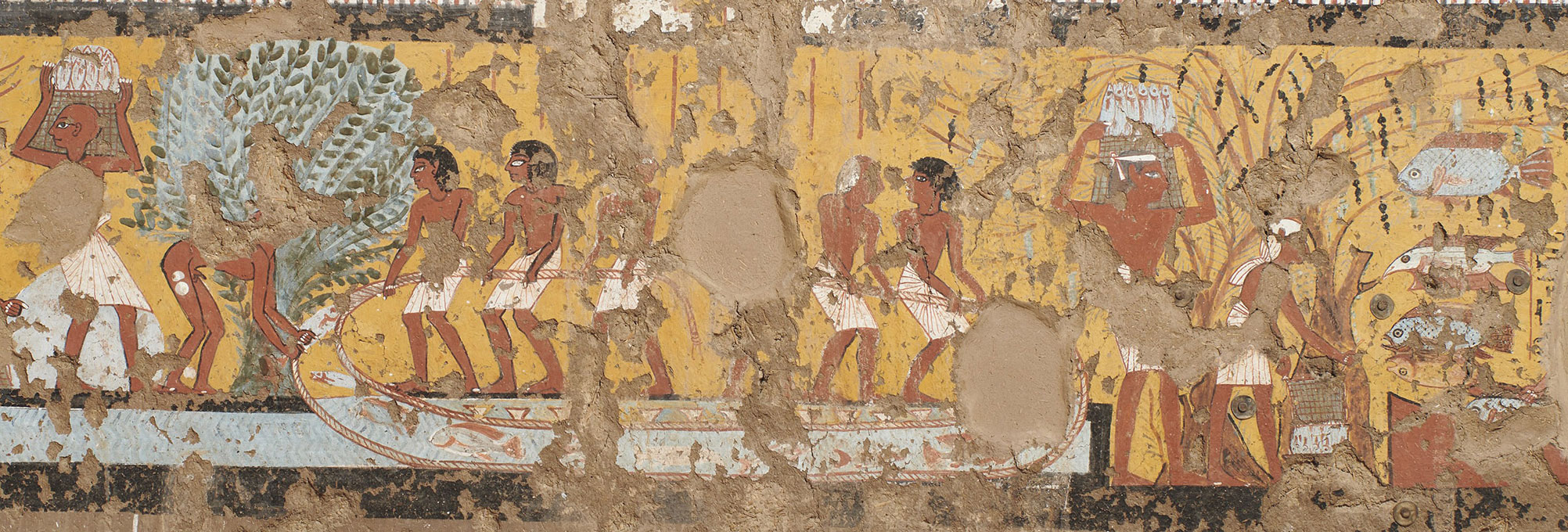
A Tomb of One's Own
Life behind the scenes in Egypt’s Valley of the Kings
More to Discover
Features July/August 2024
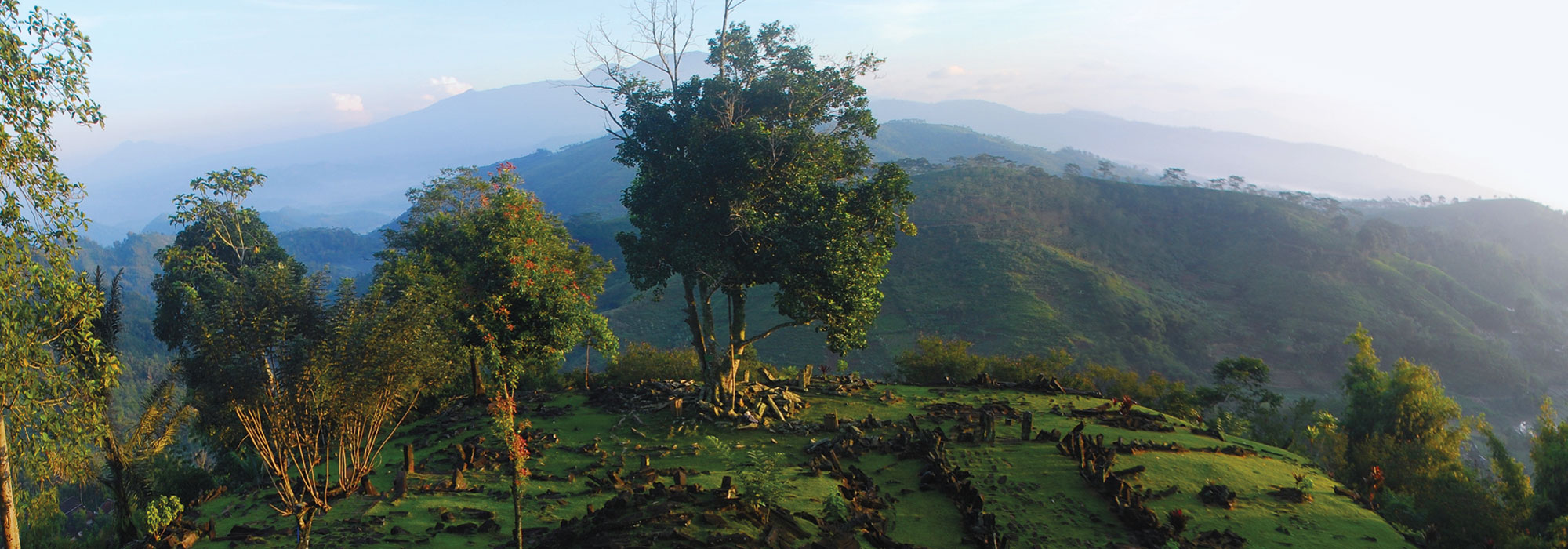
Java's Megalithic Mountain
Across the Indonesian archipelago, people raised immense stones to honor their ancestors
-
Features July/August 2024
The Assyrian Renaissance
Archaeologists return to Nineveh in northern Iraq, one of the ancient world’s grandest imperial capitals
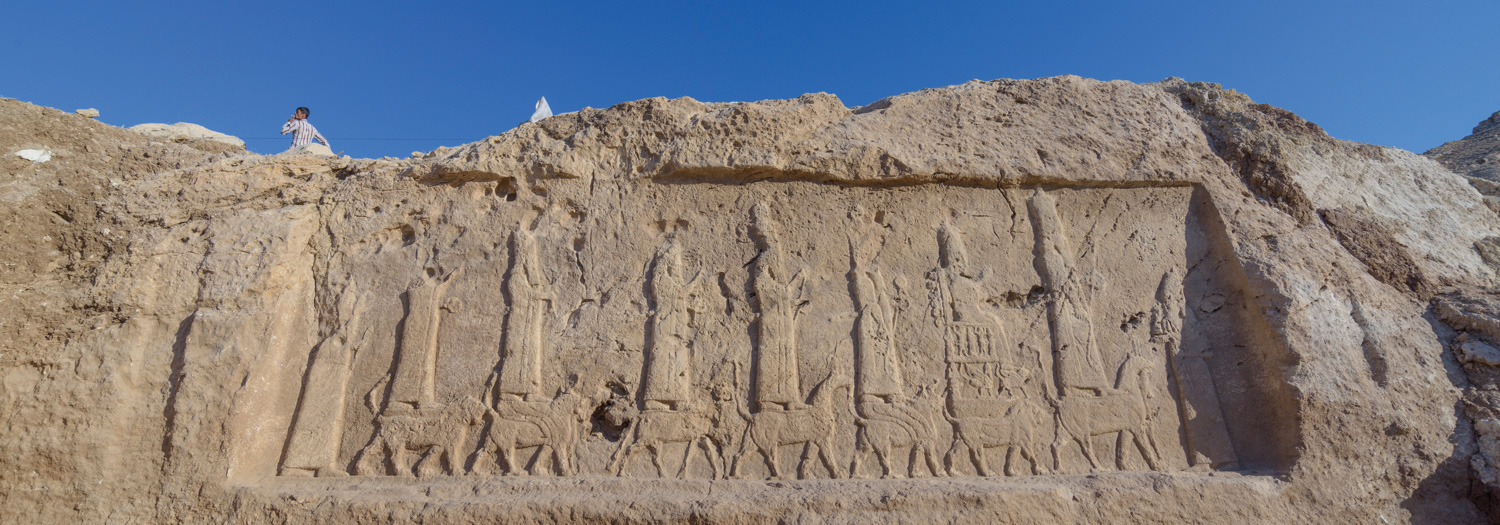 (Land of Nineveh Archaeological Project)
 -
Features July/August 2024
A Dynasty Born in Fire
How an upstart Maya king forged a new social order amid chaos
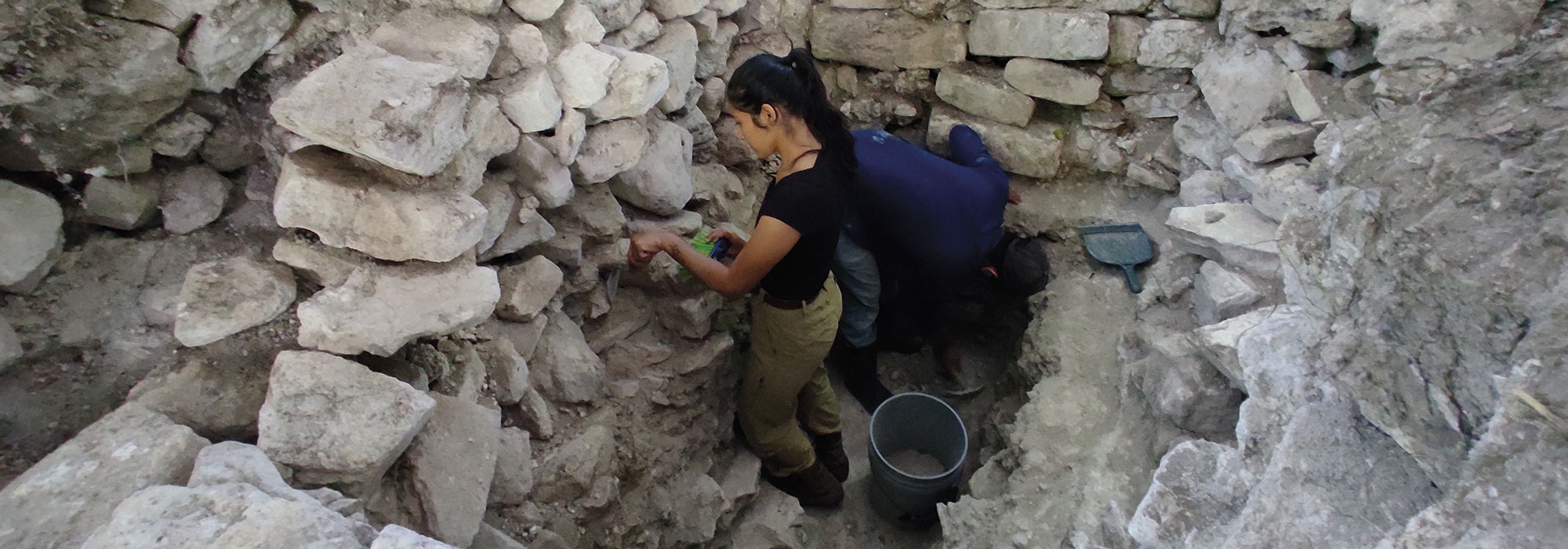 (Courtesy Proyecto Arqueológico Ucanal)
 -
Features July/August 2024
Making a Roman Emperor
A newly discovered monumental arch in Serbia reveals a family’s rise to power in the late second century a.d.
 (Serbia’s Institute of Archaeology)
 -
Features July/August 2024
Rise and Fall of Tiwanaku
New dating techniques are unraveling the mystery of a sacred Andean city