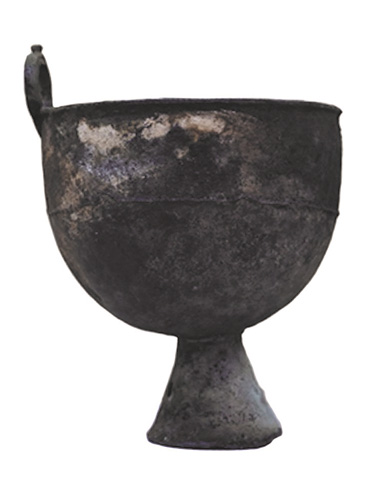
BASEL, SWITZERLAND—According to a statement released by the University of Basel, an international team of scientists has analyzed proteins recovered from residues in two 2,700-year-old bronze cauldrons discovered in northern Mongolia. The test results indicate that the vessels were used to process animal blood, mostly from sheep and goats, and milk, mostly from domestic cattle and yaks. The researchers, led by Shevan Wilkin of the University of Basel, suggest that nomads in Mongolia collected the blood as part of the process of making sausages. Milk was likely fermented in the vessels. “This shows that yaks were domesticated and milked in Mongolia much earlier than previously assumed,” Wilkin said. The fermentation likely preserved the milk as yogurt, or it may have been an ingredient in the sausages, she added. Read the original scholarly article about this research in Scientific Reports. To read about new research on the date of yak domestication, go to "Around the World: Tibet."
Study Shows Bronze Age Cauldrons Held Blood and Milk
News June 6, 2024
Recommended Articles
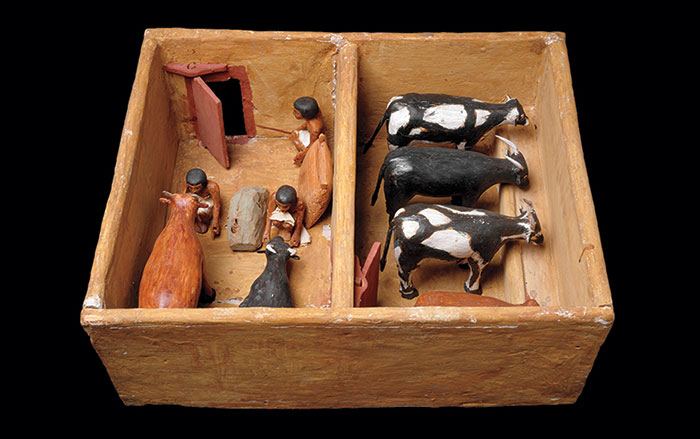
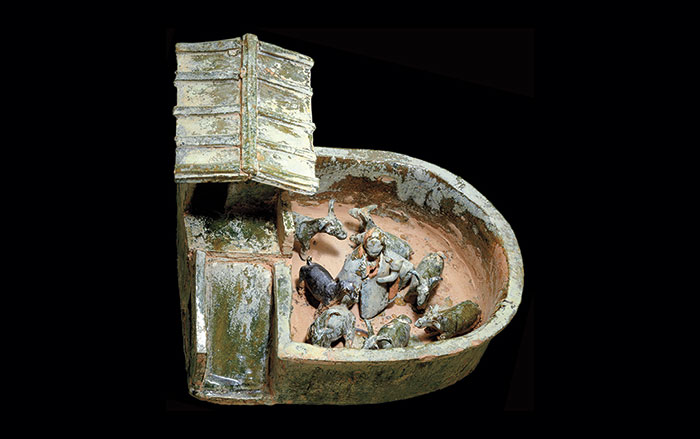
Model Homes March/April 2026
Doorways for the Dead
LOCATION: Thebes, Egypt
DATES: Ca. 1981–1975 b.c.
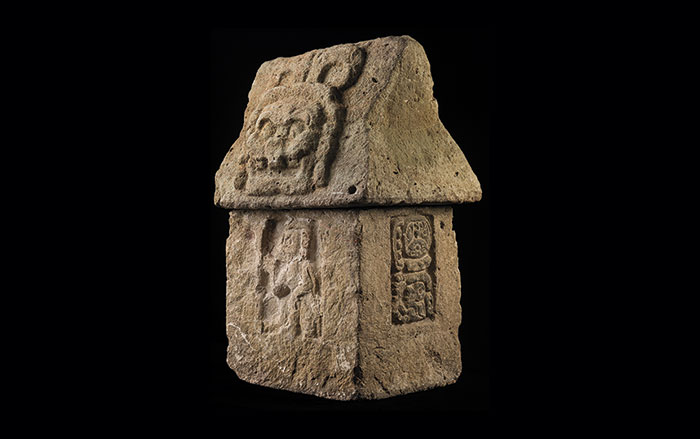
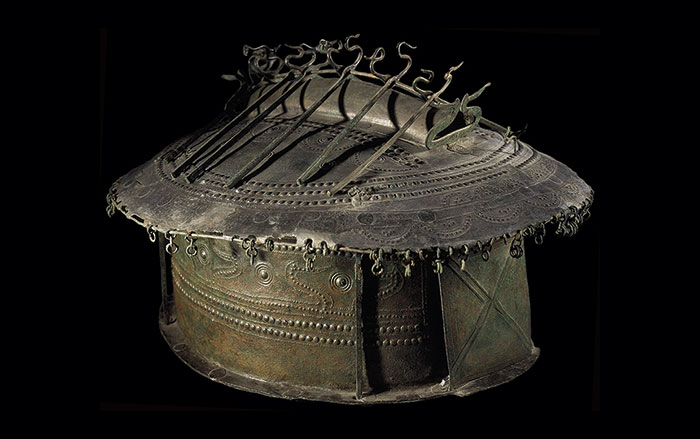
Model Homes March/April 2026
A Maya God’s Humble Abode
LOCATION: Copán, Honduras
DATE: Ca. a.d. 700–850
More to Discover
Features July/August 2024
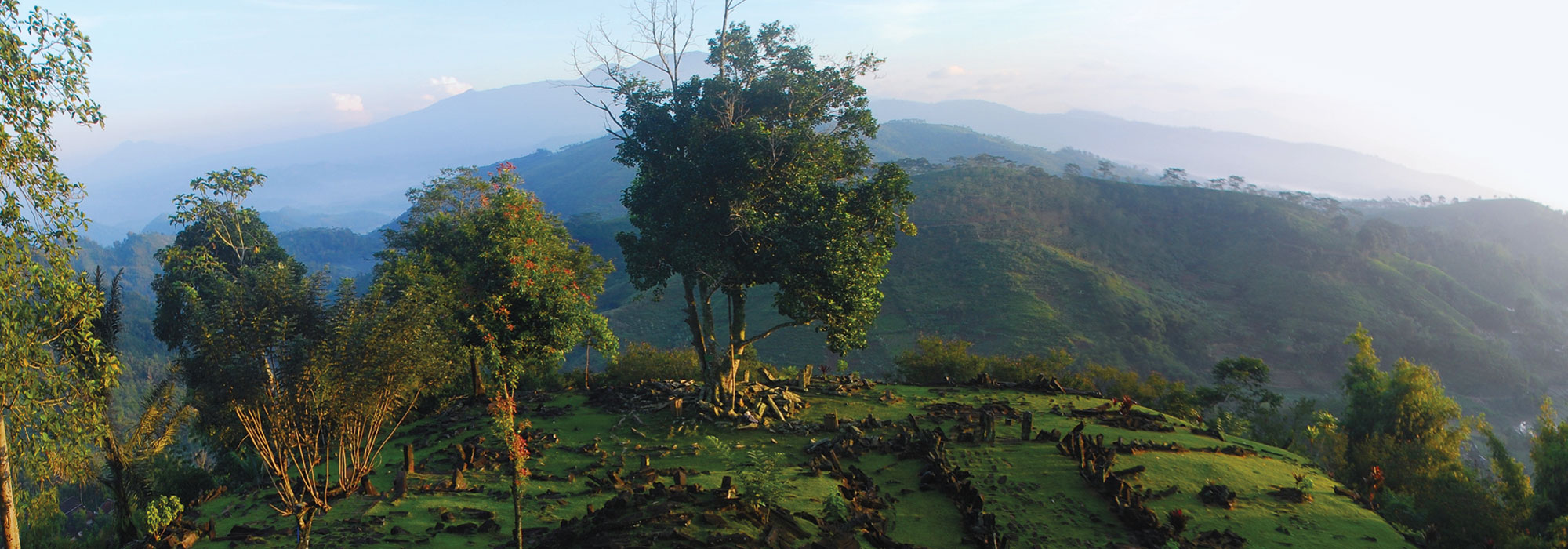
Java's Megalithic Mountain
Across the Indonesian archipelago, people raised immense stones to honor their ancestors
-
Features July/August 2024
The Assyrian Renaissance
Archaeologists return to Nineveh in northern Iraq, one of the ancient world’s grandest imperial capitals
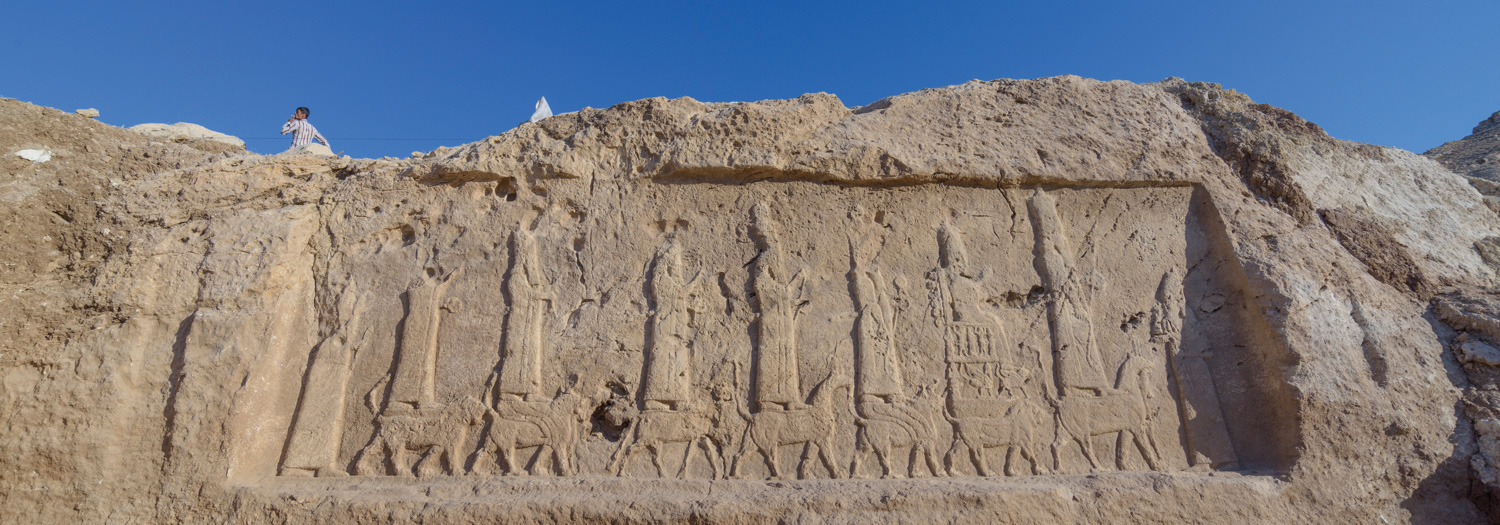 (Land of Nineveh Archaeological Project)
 -
Features July/August 2024
A Dynasty Born in Fire
How an upstart Maya king forged a new social order amid chaos
 (Courtesy Proyecto Arqueológico Ucanal)
 -
Features July/August 2024
Making a Roman Emperor
A newly discovered monumental arch in Serbia reveals a family’s rise to power in the late second century a.d.
 (Serbia’s Institute of Archaeology)
 -
Features July/August 2024
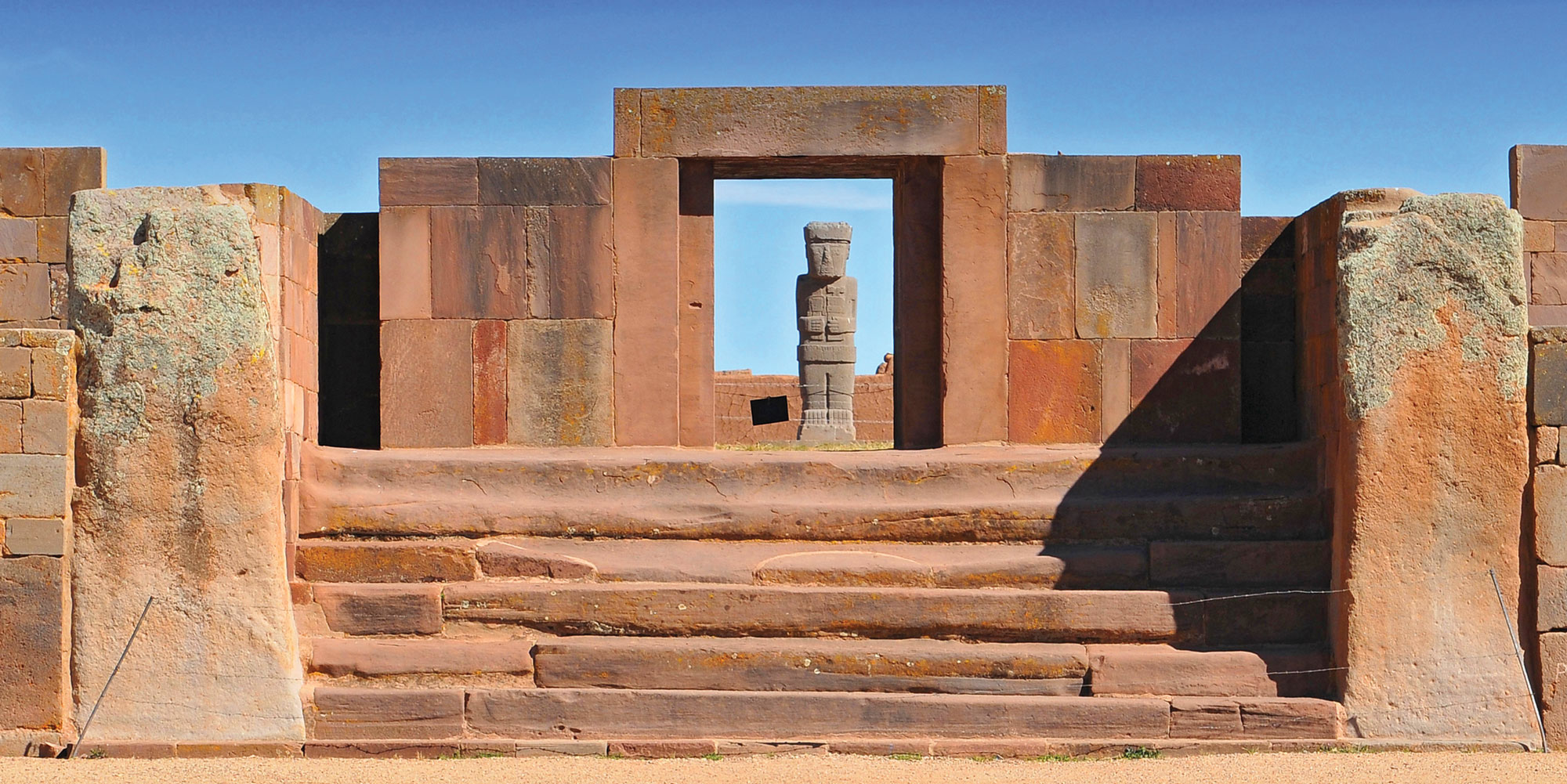
Rise and Fall of Tiwanaku
New dating techniques are unraveling the mystery of a sacred Andean city