

STANFORD, CALIFORNIA—New Scientist reports that Li Liu of Stanford University and an international team of researchers found evidence of fermented starch granules on pottery sherds uncovered at two early farming sites located about 185 miles apart in north China. The pottery fragments ranged in age from 8,000 to 7,000 years old, and came from vessels that had small mouths, thin necks, and wide sides that blocked fresh air and promoted the brewing process. At the site of Lingkou, Liu said, the early farmers began the fermentation process by allowing grains to sprout, which freed up their natural sugars for fermentation. Meanwhile, at the site of Guantaoyuan, fungi, herbs, and grains were added to cereals as a “fermentation starter” known as qū. The researchers suggest the production of alcoholic beverages may have been linked to social and religious activities, thus fueling the development of agriculture. For more, go to “A Prehistoric Cocktail Party.”
Two Types of Brewing Detected in China’s Neolithic Pottery
News June 4, 2019
Recommended Articles
Off the Grid November/December 2026
San Agustín, Colombia

Letter from Cape Canaveral November/December 2026
Dawn of the Space Age
Archaeologists have made surprising discoveries spanning 3,000 years at the birthplace of American space exploration

Features November/December 2026
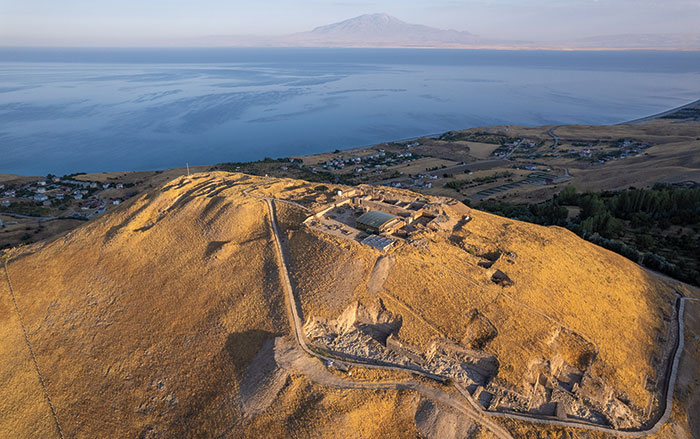
Kingdom of Fortresses
How diverse and far-flung Iron Age chiefdoms united to challenge the Assyrian Empire
Features November/December 2026
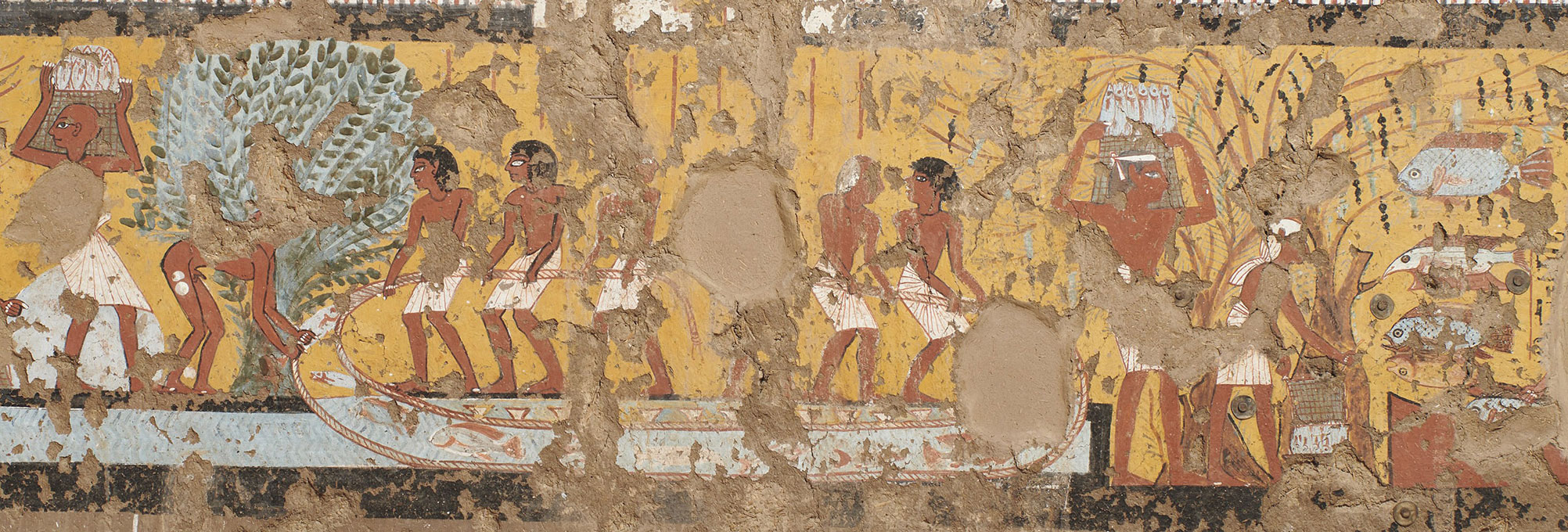
A Tomb of One's Own
Life behind the scenes in Egypt’s Valley of the Kings
More to Discover
Features May/June 2019
Mapping the Past
ARCHAEOLOGY’s editors explore the genius and creativity of mapmakers through time


-
Features May/June 2019
Bringing Back Moche Badminton
How reviving an ancient ritual game gave an archaeologist new insight into the lives of ancient Peruvians
 (Courtesy Christopher Donnan, Illustration by Donna McClelland)
 -
Features May/June 2019
Inside King Tut’s Tomb
A decade of research offers a new look at the burial of Egypt’s most famous pharaoh
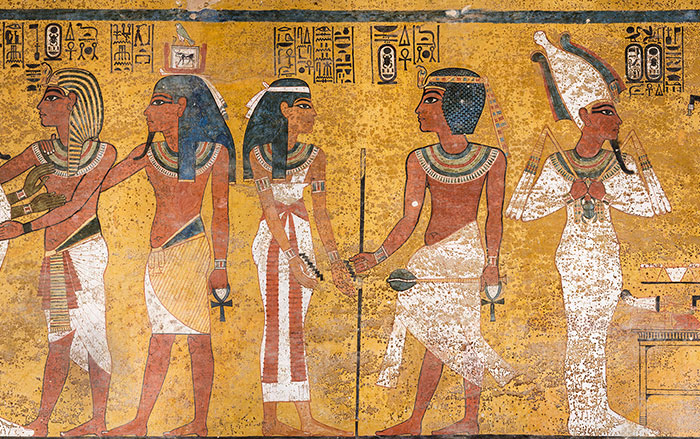 (Courtesy Factum Arte)
 -
Letter from the Dead Sea May/June 2019
Life in a Busy Oasis
Natural resources from land and sea sustained a thriving Jewish community for more than a millennium
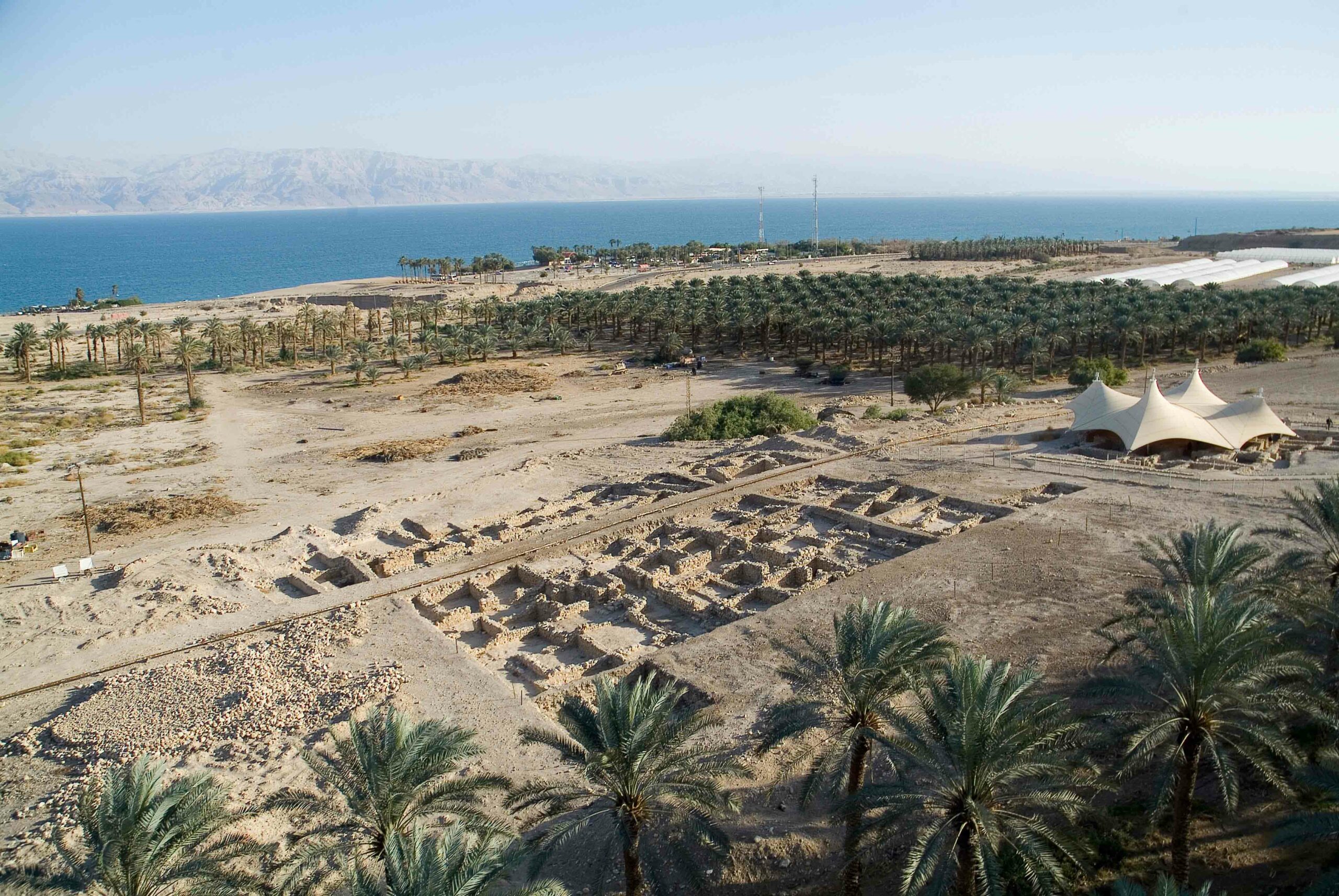 (Duby Tal/Albatross/Alamy Stock Photo)
 -
Artifacts May/June 2019
Ancestral Pueblo Tattoo Needle
 (Robert Hubner/Washington State University)