Lost Secret Letters of Mary, Queen of Scots, Found and Decoded
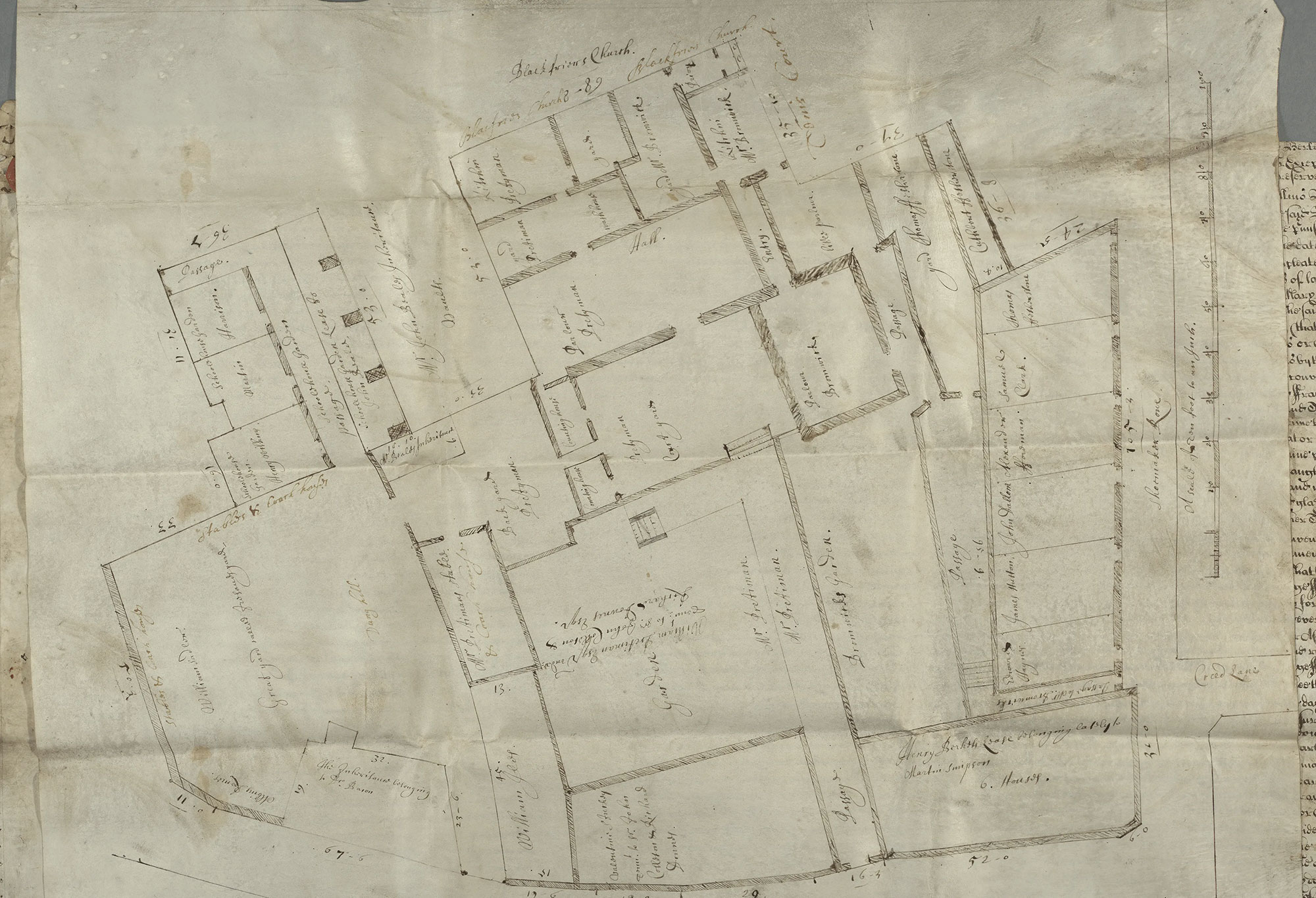
PARIS, FRANCE—The AFP reports that encoded letters written by Mary, Queen of Scots, between 1578 and 1584 while she was imprisoned in England by Queen Elizabeth I have been deciphered and identified by computer scientist and cryptographer George Lasry, and his colleagues, Norbert Biermann and Satoshi Tomokiyo. The researchers, who are members of the DECRYPT project, found the 57 letters written in cipher in the digital archive of France’s National Library, where they had been mislabeled. Once they cracked the code, including more than 50,000 never-before-seen words, they noticed that the letters had been written using feminine forms and referred to “my son,” Scotland, and captivity, and the name of Elizabeth I’s principal secretary and spymaster, Francis Walsingham. Walsingham is thought to have entrapped Mary Stuart into supporting a foiled assassination plot against Elizabeth I. Lasry said that most of the secret letters were addressed to Michel de Castelnau Mauvissiere, France’s ambassador to England. The identification of the letters was confirmed with plaintext copies of seven of the letters held in the British Archives. Those letters are thought to have been leaked to Walsingham by a mole in Castelnau’s embassy. Read the original scholarly article about this research in Cryptologia. To read about the discovery of a page from a prayer book owned by a Catholic English family whose station was elevated during Mary's brief reign, go to "Artifact."
Huastec Earthen Mounds Excavated in Northern Mexico
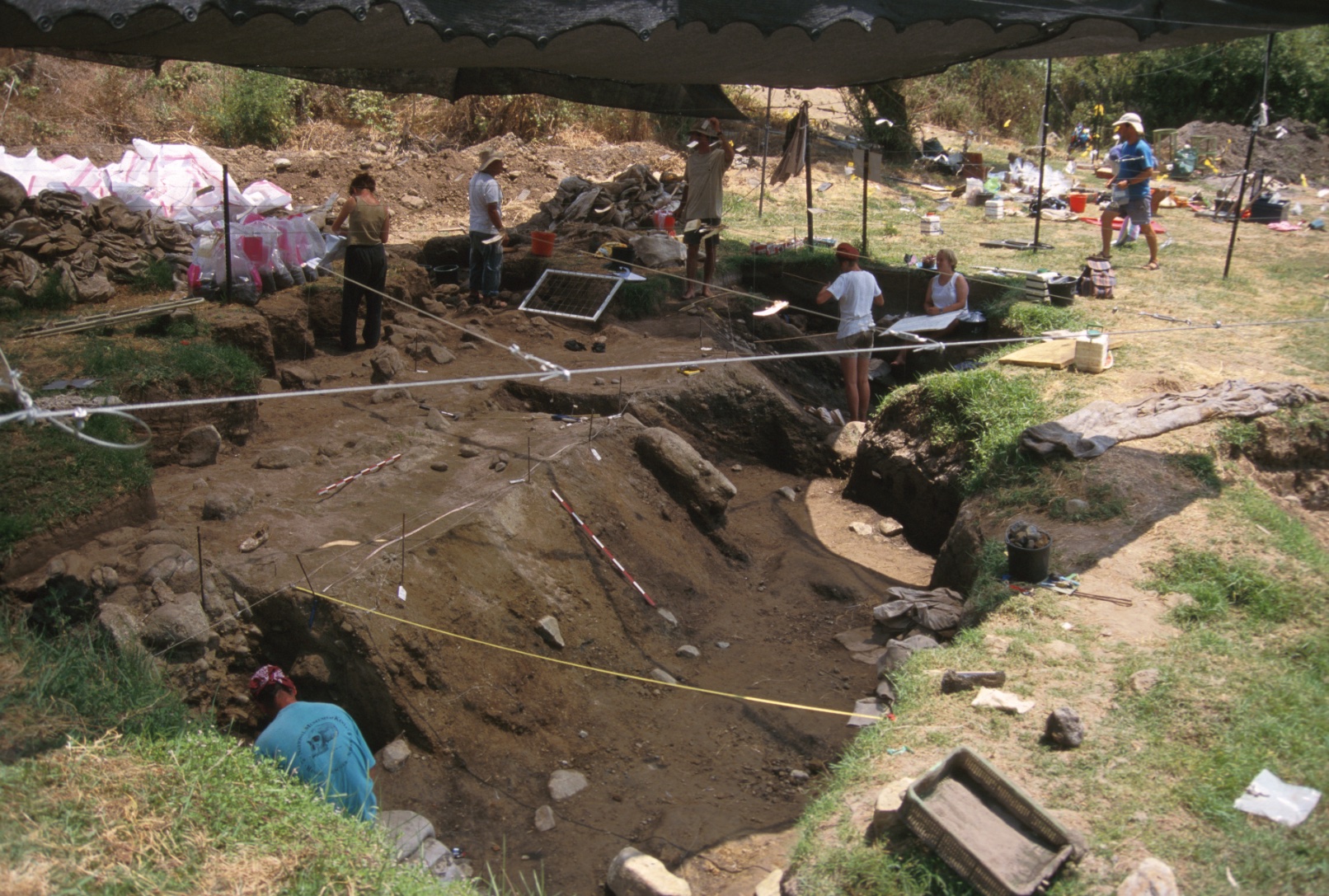
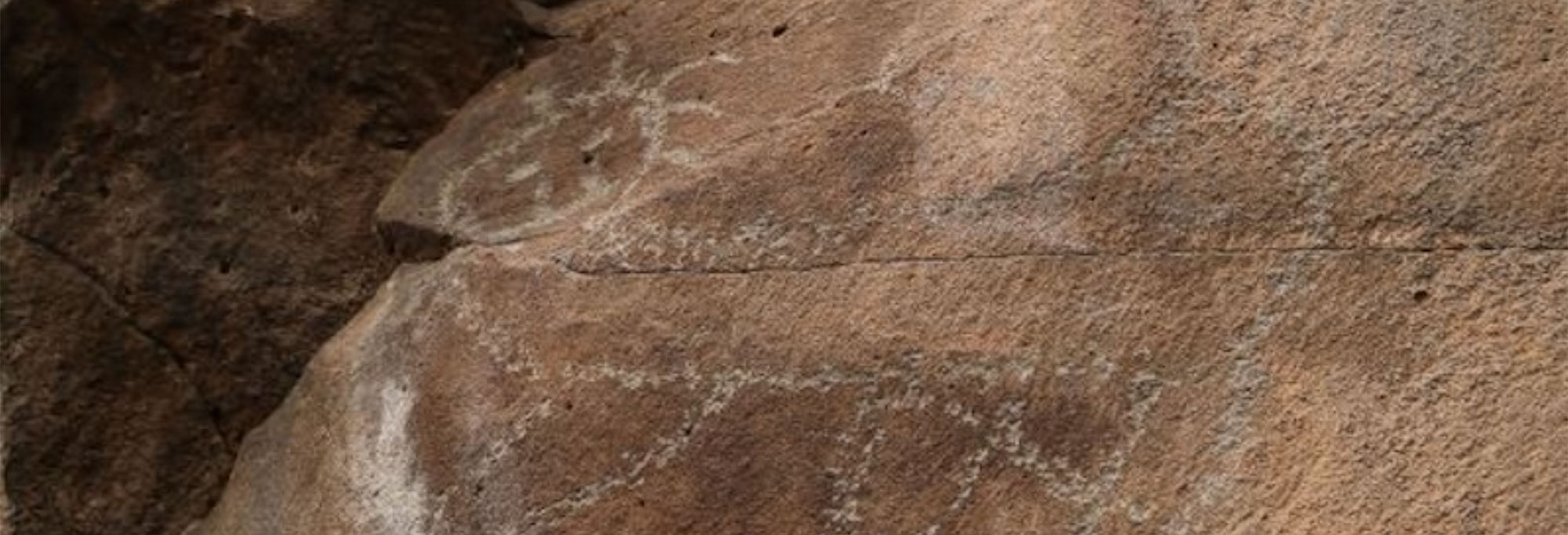
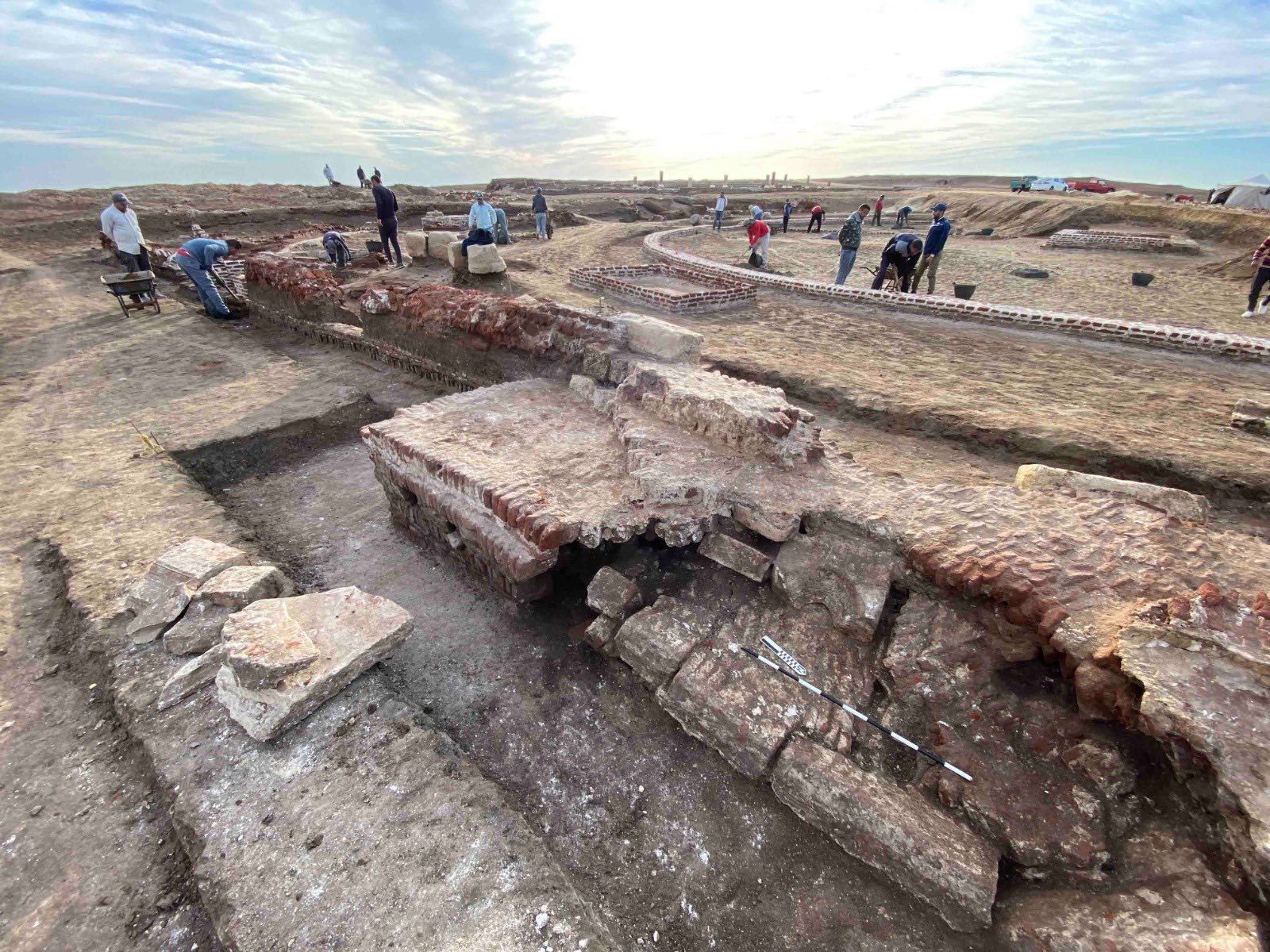
TAMAULIPAS, MEXICO—According to a report in The Art Newspaper, archaeologists from Mexico’s National Institute of Anthropology and History (INAH) are investigating four large earthen mounds at the site of El Naranjo, which is located in northern Mexico. Esteban Ávalos said that the 1,000-year-old mounds were part of a Huastec settlement, and were used for both burials and daily activities. Hearths, everyday ceramics, grinding stones, and projectile points have been recovered from two of the mounds, he explained, in addition to a dozen burials. Adults who had been interred in Mound 4 were buried with earrings made of green quartz and shells. Some of these earrings had been carved in the shape of flowers. In Mound 1, which is larger than Mound 4, Ávalos and his colleagues also found several burials, including of one adult whose remains had been placed in a limestone structure. “We can see that they practiced both single-individual and multiple-type burials, and that they were buried in different positions,” he said. The mounds themselves were made of alternating layers of earth, limestone, and basalt. Their foundations are similar to earthen houses that are still being built in the region, he concluded. To read about powerful women in the world of Maya politics, go to "Jungle Realm of the Snake Queens."
Early Medieval Fort Studied in Spain
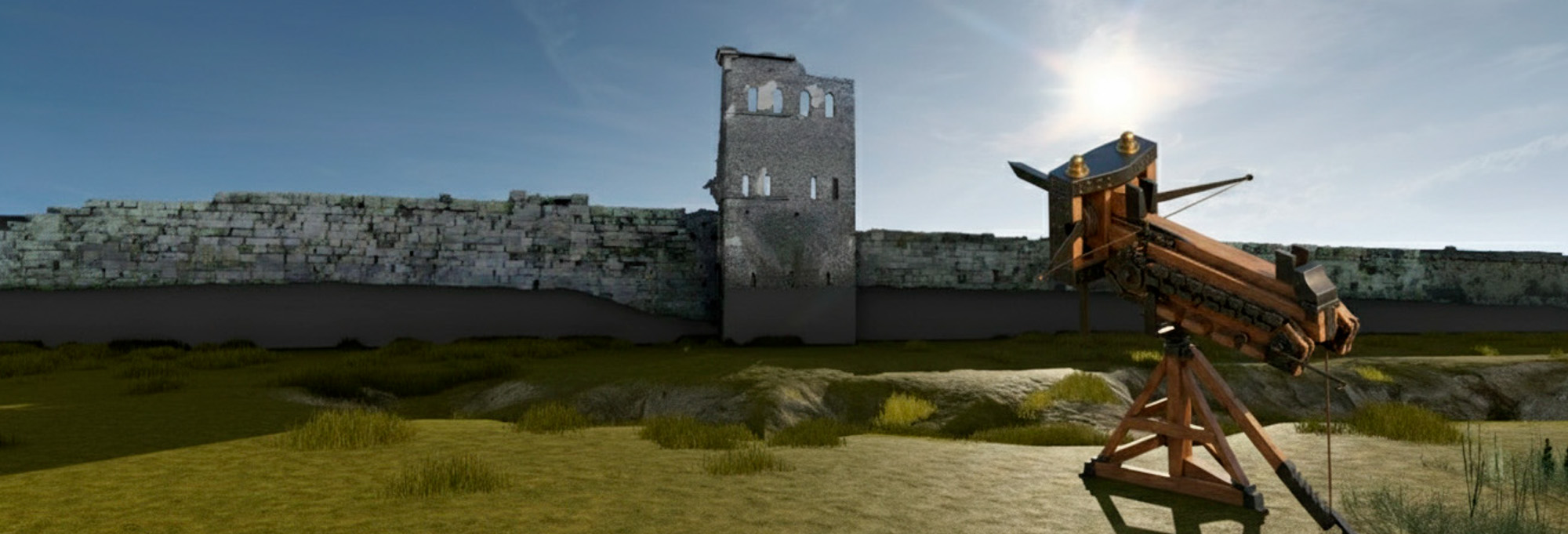
GALICIA, SPAIN—A lidar survey of a forested hilltop in northwestern Spain conducted by Mário Fernández-Pereiro of University College London and the University of Santiago de Compostela and José Carols Sánchez-Pardo of the University of Santiago de Compostela has revealed an early medieval fortress, according to a Live Science report. The study suggests that the site, known as Castro Valente, had 30 towers, covered about 25 acres, and was surrounded by a defensive wall. Dated to the fifth century A.D. based on pottery found at the site and construction methods, the structure is thought to have been built on top of an earlier Iron Age fort as protection from invasion after the collapse of Roman rule in the region. The fort is thought to have been abandoned about 200 years later. To read about medieval sculpture in the Cathedral of Santiago de Compostela, go to "Around the World: Spain."
Extinct Human Cousins May Have Also Used Tools
NYAYANGA, KENYA—BBC News reports that more than 300 Oldowan stone tools dated to 2.9 million years ago have been uncovered in western Kenya on the Homa Peninsula. Two molars belonging to Paranthropus, an extinct human cousin with both ape-like and human-like traits, were also recovered at the site. It had been previously thought that Oldowan tools, which were used to butcher hippos and pound plant foods at this site, were only made and used by the ancestors of modern humans. “With these tools you can crush better than an elephant’s molar can and cut better than a lion’s canine can,” said Rick Potts of the Smithsonian Museum of Natural History. Other hominins may have also been processing otherwise inedible foods with this technology, added Thomas Plummer of Queens College. Read the original scholarly article about this research in Science. To read about even older stone tools found in Kenya, go to "The First Toolkit."
15th-Century Spices Identified in Royal Shipwreck
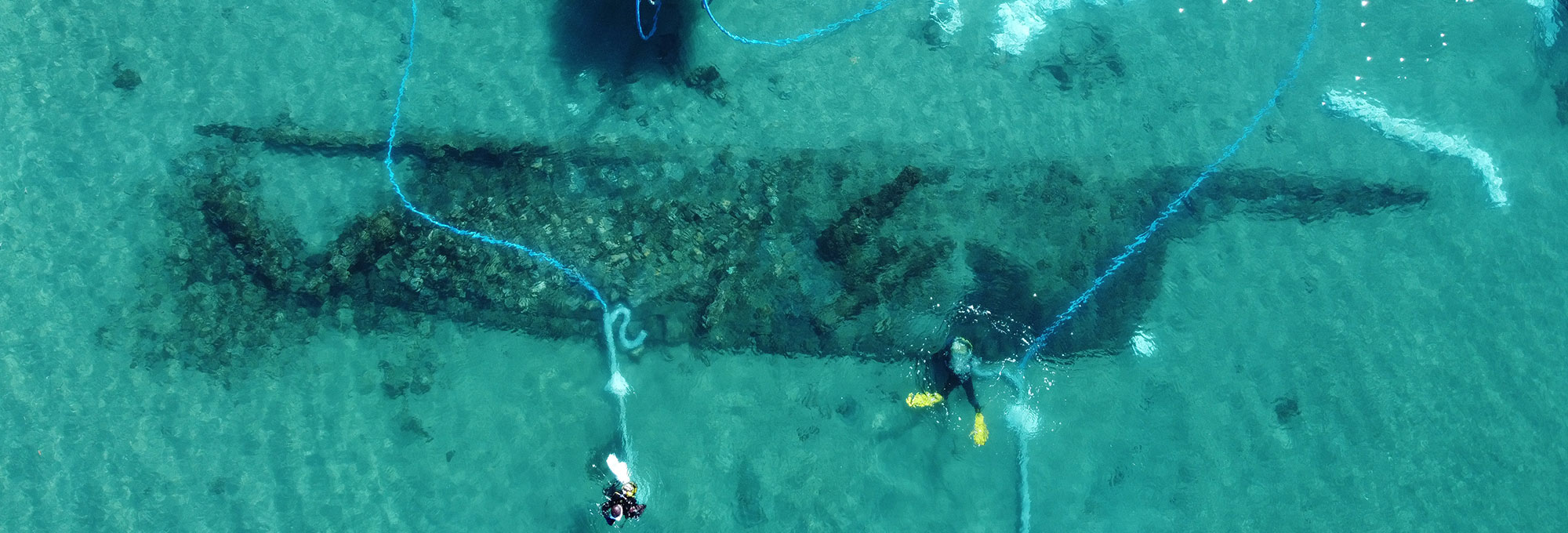
LUND, SWEDEN—Phys.org reports that Mikael Larsson and Brendan Foley of Lund University have analyzed the remains of more than 3,000 plants recovered from the Gribshunden, a Danish royal ship that sank in the cold waters of the Baltic Sea off the coast of Sweden in 1495. Danish King Hans had been meeting Sten Sture the Elder, who ruled Sweden, when the Gribshunden caught fire and sank. Artifacts were recovered from the wreckage in the 1960s, but this is the first time that the plant material has been studied. Traces of nutmeg, cloves, mustard, dill, saffron, ginger, peppercorns, almonds, blackberries, raspberries, grapes, and flax have been identified, in addition to henbane, which is inedible but may have been used for medicinal purposes. Larsson and Foley suggest that King Hans benefited from an advanced trade network, since some of the spices may have been imported from Indonesia. He may have loaded up his ship with rare goods as a show of power, they concluded. Read the original scholarly article about this research in PLOS ONE. To read about a figurehead recovered from the Gribshunden wreck, go to "A Baltic Sea Monster Surfaces."
Bronze Age Burial Found in Romania
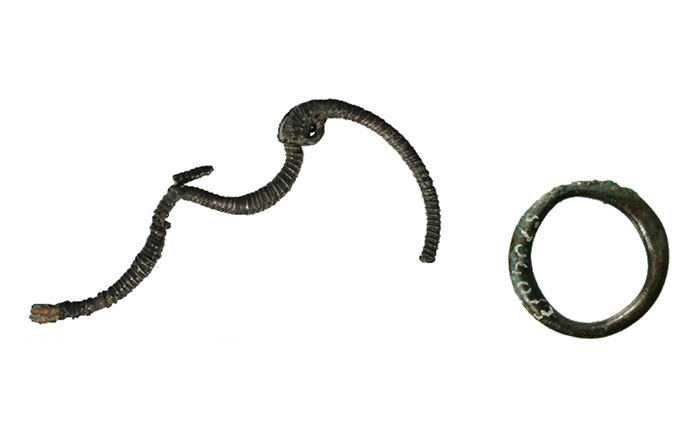
DRĂGUŞENI, ROMANIA—Romania Insider reports that a 3,000-year-old skeleton has been found in eastern Romania in what was once a burial mound attributed to the Yamnaya culture. Adela Kovacs of the Botoşani County Museum said that she and her colleagues from the Archaeological Institute of Iaşi, the Silesian University in Opava, and the Silesian Museum in the Czech Republic have been investigating the area and the two large tumuli at the site, which had been damaged by farming. Traces of red ocher have been found on the skeleton’s head and legs. It is thought to be related to a ritual related to rebirth, blood, and the afterlife, Kovacs explained. “The body’s position is curled,” she added. “Initially, it was placed on its back, with the knees brought to the chest, suggesting a fetal position. This baby position [also] represents the return to earth through a future birth.” Further study of the bones will attempt to determine the age, sex, and diet of the deceased. To read about farming communities in the Danube Gorges region in present-day Romania and Serbia, go to "Europe's First Farmers."
Medieval Remains Identified in England
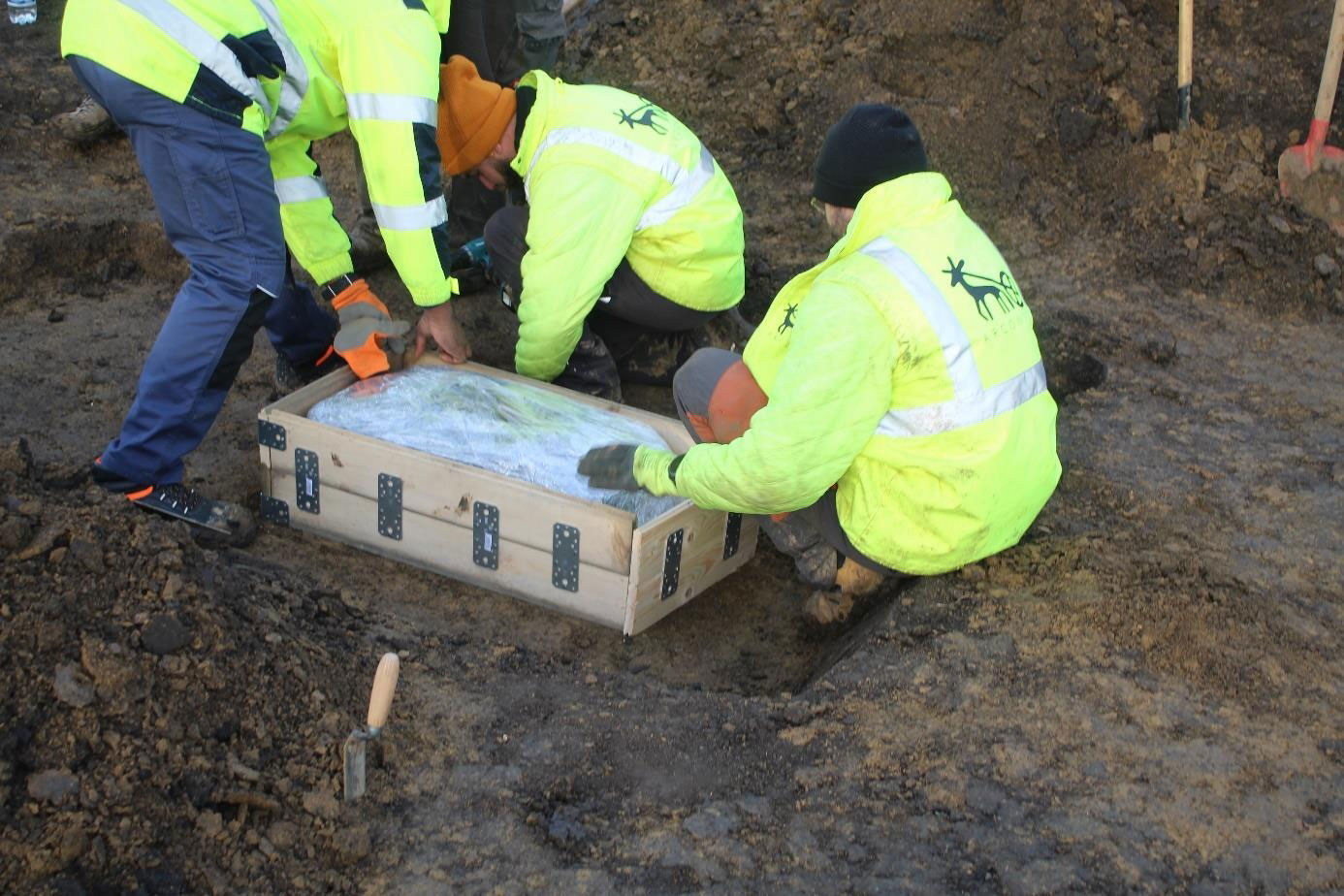
SHEFFIELD, ENGLAND—According to a statement released by the University of Sheffield, researchers led by osteoarchaeologist Lauren McIntyre have identified the remains of a woman held in the collections at the University of Sheffield as Lady Isabel German, who is known to have been an anchoress, or a woman who chose to live a life of prayer in seclusion. Documents show that Lady German lived in a single room at All Saints Church in Fishergate, York, in the fifteenth century. The bones, unearthed in 2007, were found in a tightly crouched position within the apse of the All Saints Church foundations. Radiocarbon dating of the remains and analysis of the chemical makeup of the bones also support the identification. McIntyre said the woman suffered from septic arthritis and advanced venereal syphilis. “The new study allows us to explore the possibilities that Lady German chose to devote herself to a life of solitude as a way to remain autonomous and in control of her own destiny,” she commented. “This chosen lifestyle would also have made her a highly significant figure within the local community, and she would have been viewed almost like a living prophet,” McIntyre concluded. To read about the probable remains of an Anglo-Saxon princess who helped found the first English nunnery, go to "ID'ing England's First Nun."
Advertisement