1.2-Million-Year Old Obsidian Axes Found in Ethiopia
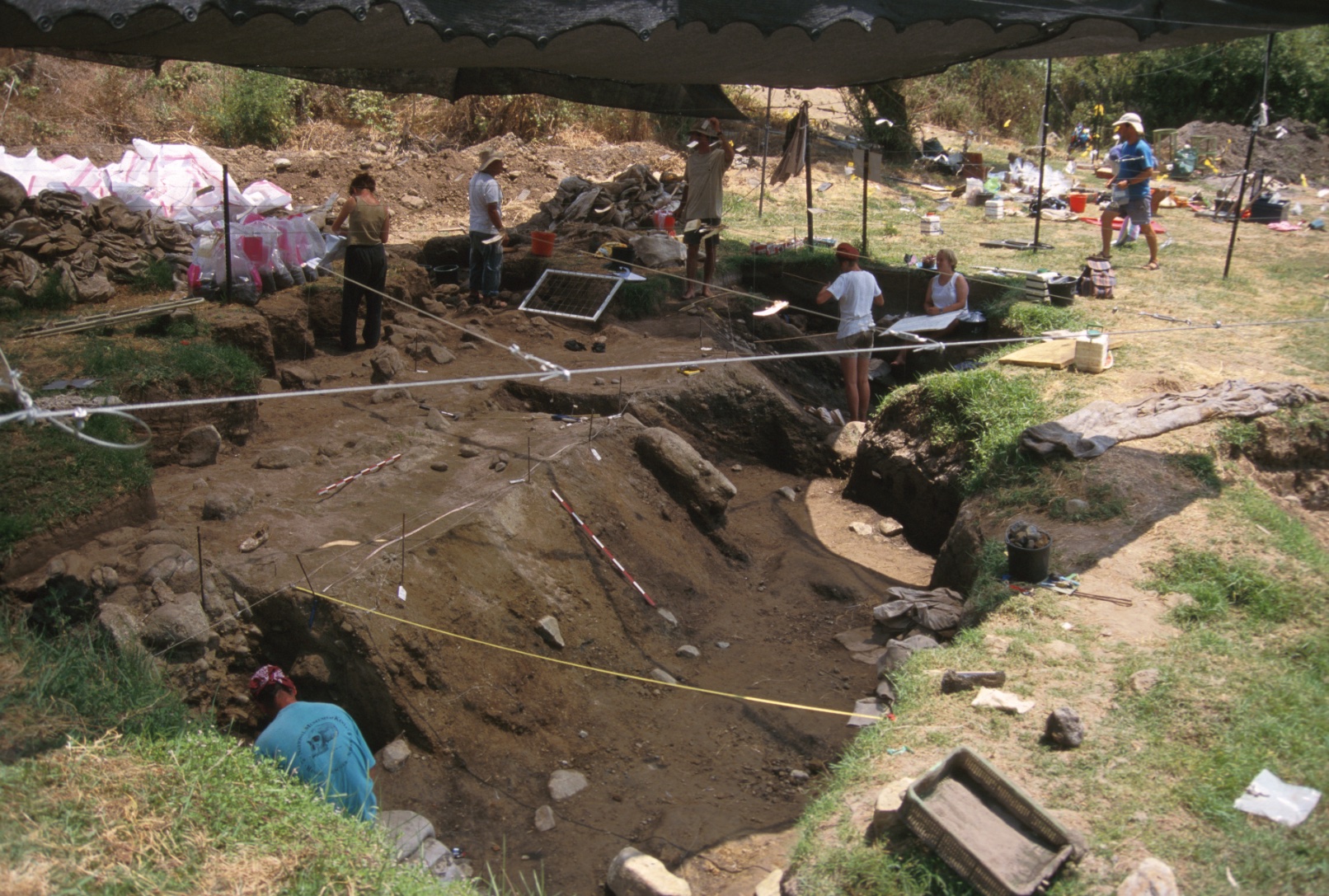
ROME, ITALY—According to a Vice report, some 575 hand axes made of obsidian have been discovered at the site of Melka Kunture, which is located in Ethiopia’s Awash River Valley, by a team of researchers led by Margherita Mussi of the Sapienza University of Rome. The tools have been dated to 1.2 million years ago, pushing back the use of obsidian tools by 500,000 years. Hominins are thought to have collected cobbles of volcanic glass from the Awash River to make the tools, Mussi explained. Analysis of the collection of axes also suggests that the hominins crafted standardized tools in a dedicated workshop area, indicating planned activity, she concluded. To read about 9,000-year-old obsidian tools found in Lake Huron, go to "Around the World: Michigan."
Victorian-Era Lead Coffin Unearthed at Leicester Cathedral
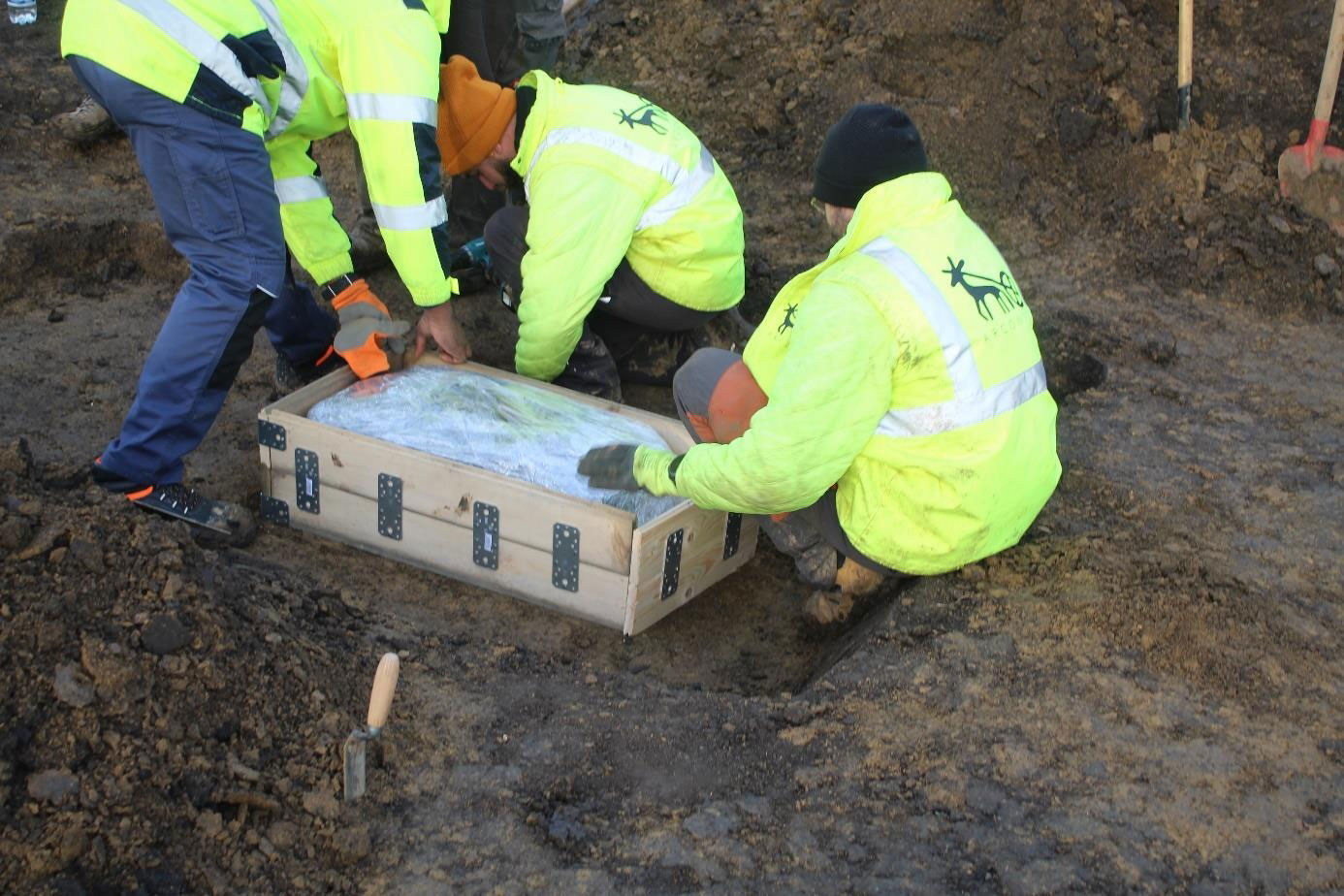
LEICESTER, ENGLAND—A lead coffin holding the remains of a Victorian-era doctor noted for his tenderness with patients and his contributions to modern medicine has been found among more than 1,000 burials at Leicester Cathedral by archaeologists from the University of Leicester, according to a BBC News report. The cemetery opened in the late 1820s and closed in 1856. The burials were situated near the cathedral’s song school, which has been demolished to make room for the construction of a new visitor center. Dr. Edward Entwistle Wilkinson was a house surgeon and apothecary at the Leicester Infirmary, and he served as the first resident medical officer at the Leicestershire and Rutland County Lunatic Asylum, before his death from typhus in 1846 at the age of 50. The doctor’s remains will be reinterred in the cathedral. To read about a nineteenth-century cemetery at London Hospital where cadavers were buried after medical experimentation, go to "Haunt of the Resurrection Men."
Book of the Dead Papyrus Discovered in Saqqara
CAIRO, EGYPT—Live Science reports that a 52-foot-long papyrus containing sections of the ancient Egyptian Book of the Dead has been found in a coffin at a Saqqara tomb by Egyptian archaeologists from the Ministry of Tourism and Antiquities. The tomb, dated to between 712 and 332 B.C., is situated to the south of the Step Pyramid of Djoser, which was built between 2630 and 2611 B.C. The document, estimated to be more than 2,000 years old, is believed to have helped the dead navigate the underworld. Mostafa Waziry of the Supreme Council of Antiquities said it is the first full papyrus from the Book of the Dead to be discovered at Saqqara in more than 100 years. To read about supernatural beings who guarded ancient Egyptians in life and death, go to "The World of Egyptian Demons."
Roman Dodecahedron Fragment Found in Belgium
TONGEREN, BELGIUM—A metal detectorist discovered a fragment of a Roman dodecahedron thought to be more than 1,600 years old in a plowed field in northern Belgium, according to a Live Science report. The size of the fragment indicates that the whole object would have been about two inches across. Guido Creemers of the Gallo-Roman Museum said that researchers do not know how such objects, which have been unearthed in northern Europe and range in size from 1.5 to 4.5 inches across, were used. “There have been several hypotheses for it—some kind of a calendar, an instrument for land measurement, a scepter, etcetera—but none of them is satisfying,” Creemers said. He and his colleagues think they may have been used for fortune-telling or sorcery by Gauls or Celts—activities that were forbidden under the Christianity of the later Roman Empire—since this dodecahedron was deliberately broken and no written explanations for dodecahedrons have been found. Mural fragments from a possible Roman villa have also been found at the site. To read about Caesar's campaign in Gaul, go to "Caesar's Gallic Outpost," one of ARCHAEOLOGY's Top 10 Discoveries of 2012.
1,600-Year-Old Ritualistic Sword and Mirror Unearthed in Japan
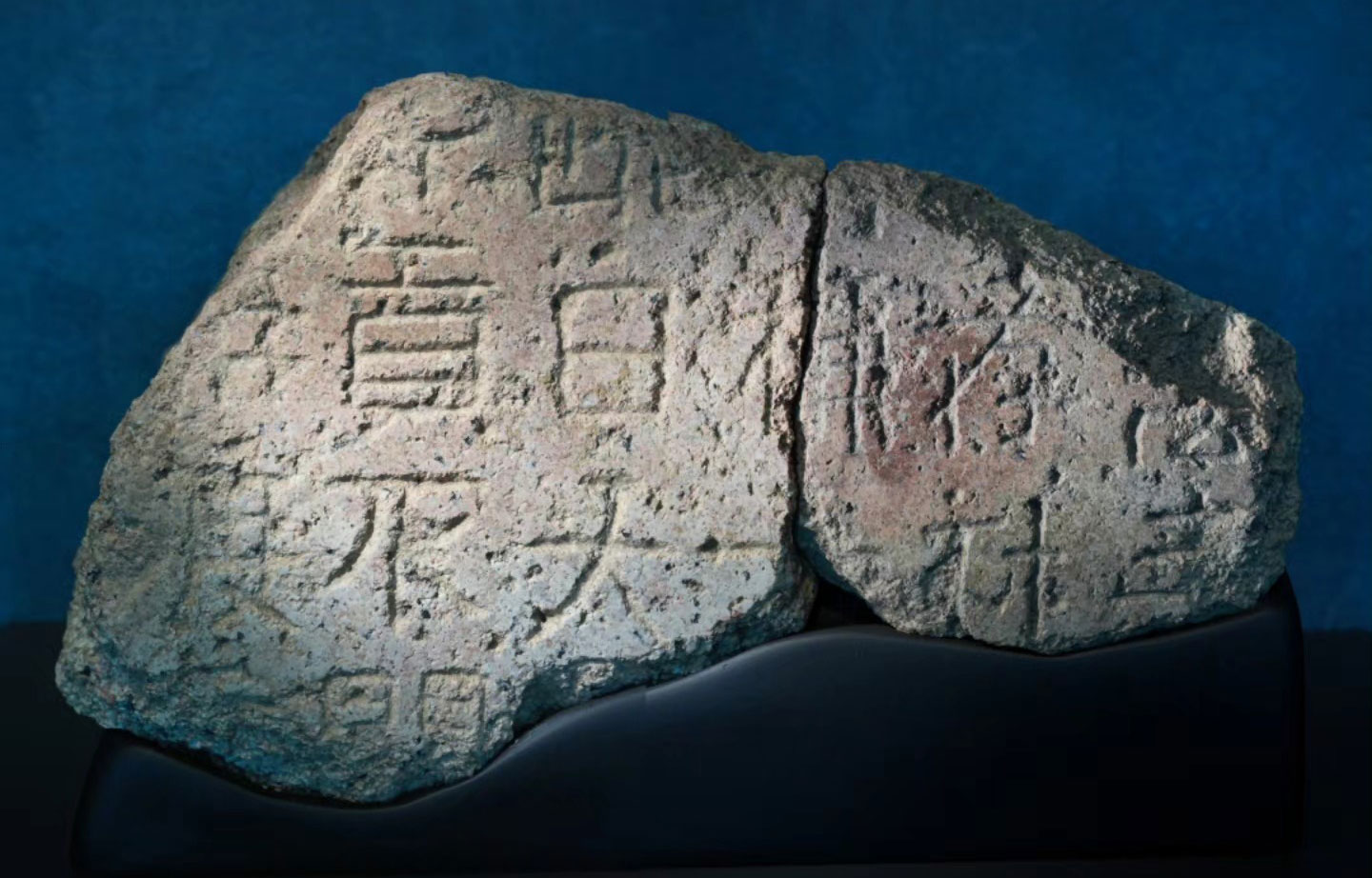
NARA, JAPAN—The Mainichi reports that a shield-shaped bronze mirror measuring about two feet tall and a 7.5-foot-long iron sword have been recovered from a late fourth-century burial in the Tomio Maruyama Kofun, which is located in Nara, on the southwestern coast of the island of Honshu. The mirror and sword are thought to have belonged to someone who was close to the powerful owner of the kofun, which is the largest circular burial mound in Japan. Kosaku Okabayashi of the Nara Prefecture’s Archaeological Institute of Kashihara said that the surface of the daryu mirror is decorated with distinctive designs that include images of magical creatures. The dako sword, a type known for wavy, snake-like shapes, is thought to be the oldest and longest of the 80 that have been found in graves in Japan. Markings from a sheath and a handle have been spotted in X-rays of the weapon. Researchers think the sword was enlarged to increase its power to protect the dead from evil spirits, and is unlikely to have been used in battle. Mirrors are also thought to have been used to protect the dead. The occupant of the burial may therefore have been involved in military and ritualistic matters, concluded archaeologist Naohiro Toyoshima of Nara University. For more on kofun, go to "Around the World: Japan."
Rare Iron Age Wooden Axle Discovered in England
SUFFOLK, ENGLAND—BBC News reports that a wooden axle was discovered in a waterlogged pit in eastern England. Analysis of the wood, conducted by dendrochronologist Michael Bamforth of the University of York, indicates that the axle was made between 400 and 100 B.C. It is thought to have been part of an Iron Age chariot or cart before it was repurposed in antiquity as a stake to shore up the sides of the pit. “Most of the spindle—for the wheel hub—survives, as well as part of the rectangular axle-bed which would have been secured to the underside of the cart or chariot,” said Chris Fern of Cotswold Archaeology. Charred boards that may have been part of the vehicle were also recovered from the pit, which may have served as a watering hole for livestock. To read about Iron Age roundhouses unearthed in northwest England, go to "Hail to the Chief."
Roman-Era Residential Area Revealed in Luxor
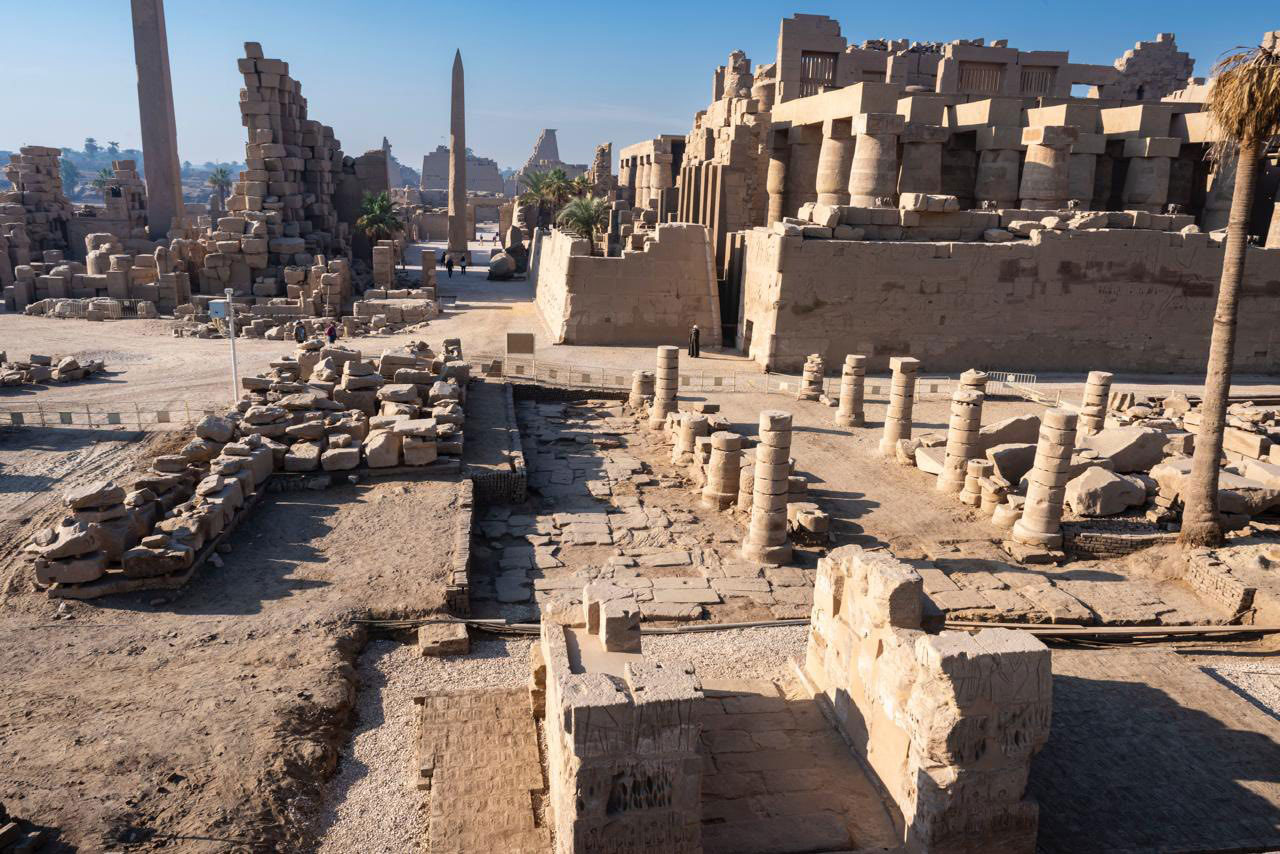
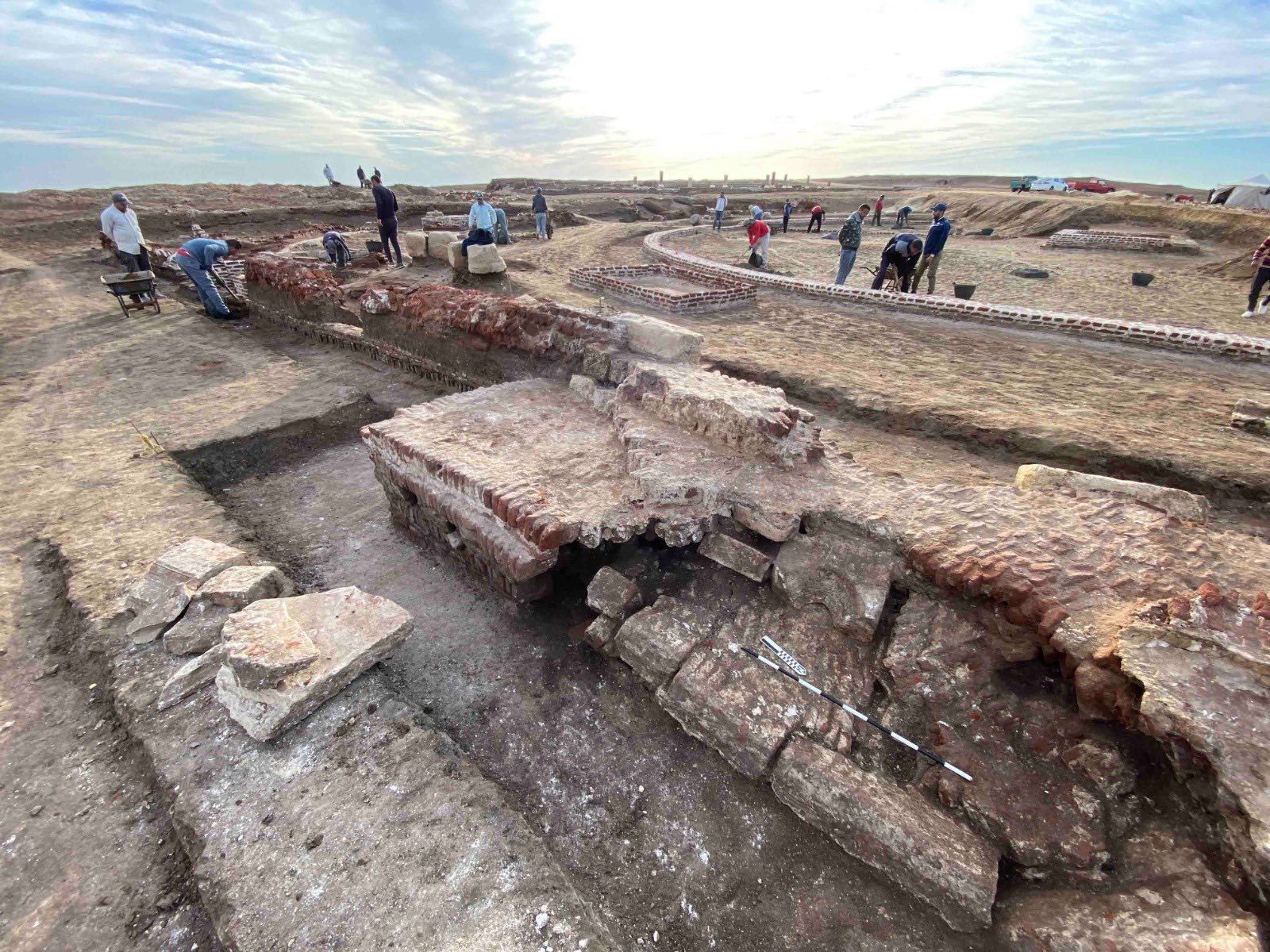
LUXOR, EGYPT—Live Science reports that a Roman residential area dated to the second and third centuries A.D. has been unearthed in eastern Luxor, near the site of Luxor Temple, which had been constructed more than 1,000 years earlier. Archaeologists from the Egyptian Ministry of Tourism & Antiquities have uncovered dwellings, workshops, and pigeon towers, where pigeons were raised for food. Artifacts recovered from the site include pottery, bells, food grinding tools, and copper and bronze Roman coins. The settlement may have serviced a Roman military camp in the area during the reign of Diocletian, from about A.D. 284 to 305, commented Susanna McFadden of the University of Hong Kong. To read about a New Kingdom settlement at Luxor, go to "Golden City," one of ARCHAEOLOGY's Top 10 Discoveries of 2021.
1,000-Year-Old Dry Moat Uncovered in Jerusalem
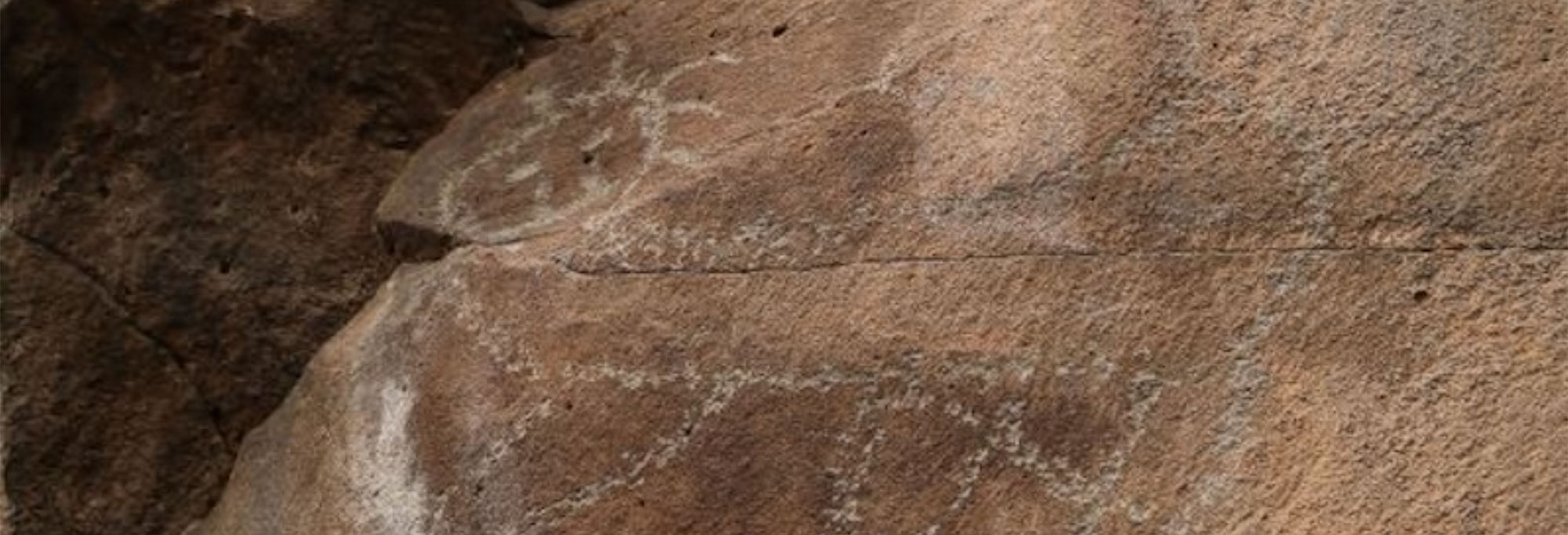
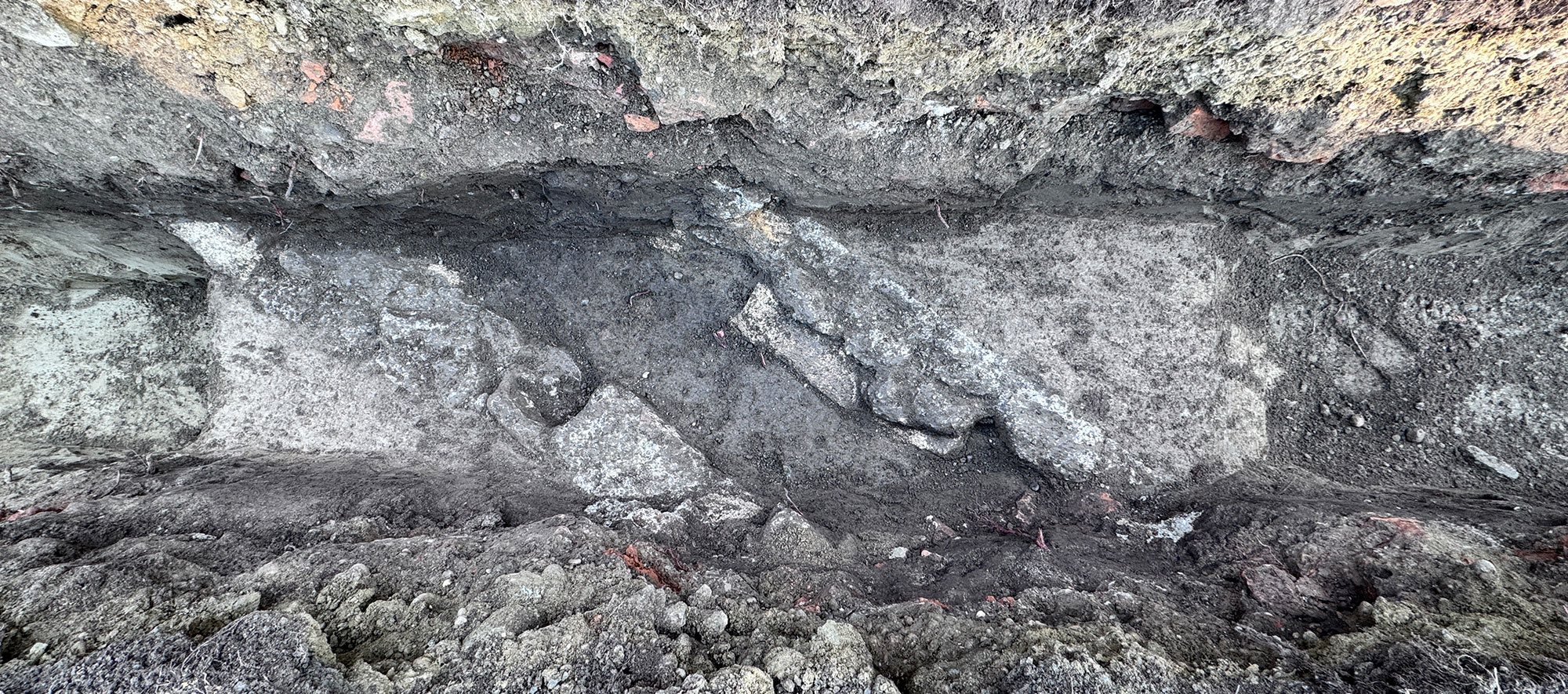
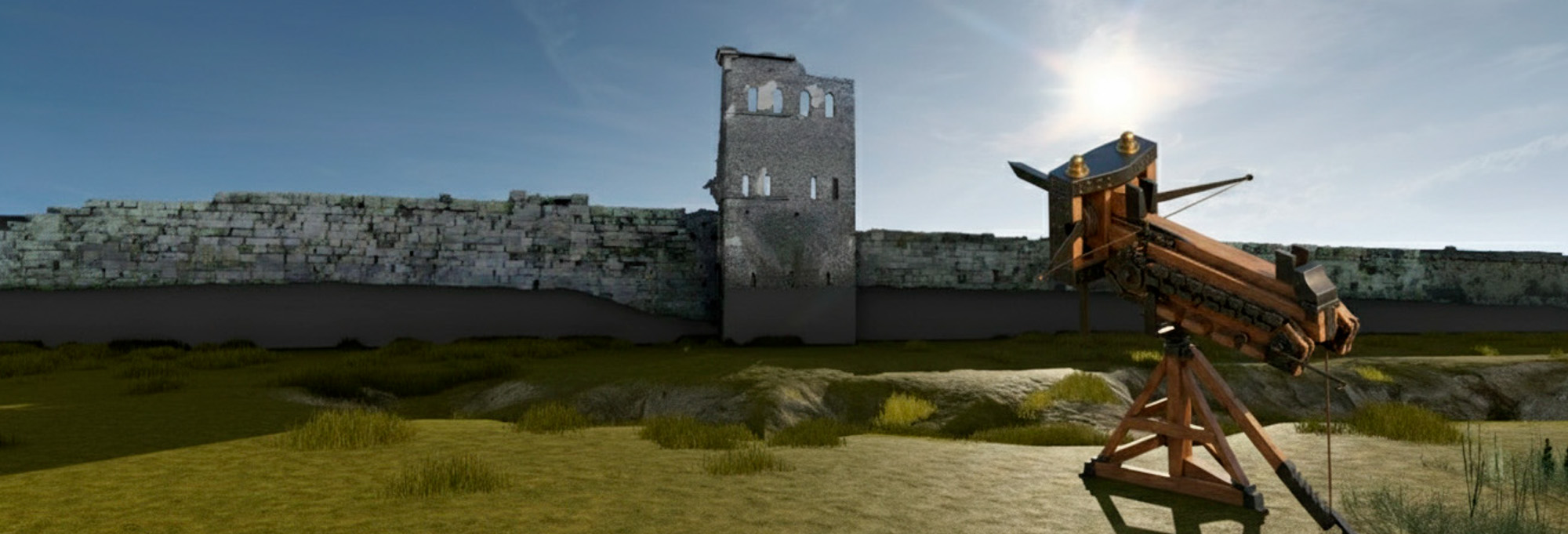
JERUSALEM, ISRAEL—According to a statement released by the Friends of the Israel Antiquities Authority, excavations along Sultan Suleiman Street in Old Jerusalem uncovered a deep defensive moat dated to the tenth century A.D. The 30-foot-wide moat, carved from rock, would have surrounded the ancient city walls as an extra layer of protection from potential invaders. “Armies trying to capture the city in the Middle Ages had to cross the deep moat, and behind it, two additional thick fortification walls, while the defenders of the city on the walls rained down on them fire and sulfur,” said Amit Re’em of the Israel Antiquities Authority. Tunnels in the fortifications would have allowed the defenders to attack the enemy in the moat as well, he added, noting that in the First Crusade of 1099, it took the Crusaders five weeks to cross the moat while under heavy fire. One as-yet-unexplained handprint was found carved into the moat wall. It may have been intended to symbolize or point to something, or may be a bit of surviving graffiti, the researchers concluded. To read about the archaeology of the Crusades, go to "Reimagining the Crusades."
Statue of Hercules Discovered in Rome
ROME, ITALY—The Guardian reports that a life-sized statue of an individual in the guise of Hercules, wearing his characteristic lion skin and carrying a club, was uncovered in Rome during repairs to a collapsed sewer pipe some 65 feet underground. The carving, found in Appia Antica Archaeological Park near what would have been the second mile mark on the Appian Way, has been dated to between 27 B.C. and A.D. 476. To read about a larger-than-life-sized statue of a youthful Hercules unearthed in the ancient Greek city of Philippi, go to "A Young Hercules."
Do the Great Apes Share a Common Language?
ST ANDREWS, SCOTLAND—BBC News reports that human volunteers shown videos of wild chimpanzees and bonobos were able to interpret their gestures correctly more than 50 percent of the time. For example, Kirsty Graham of the University of St Andrews said that scratching the chest translates to “groom me,” a mouth stroke says “give me that food,” and beckoning with fingers pointed down means “come here.” In all, great apes in the wild have been observed using more than 80 gestures to communicate. “Human infants use some of these same gestures, too,” Graham said, suggesting that modern humans and other great apes may have inherited a gesture vocabulary from our last common ancestor. To read about a study that compared Neanderthals' hearing to that of chimpanzees and modern humans, go to "Neanderthal Hearing."
High-Tech Scans Reveal 17th-Century Dental Work
LAVAL, FRANCE—CBS News reports that archaeologists led by Rozenn Colleter of the France's National Institute of Preventive Archaeological Research (INRAP) have used a cone beam scan to examine the dental work of Anne d’Alègre, an aristocrat who died in 1619 and was buried in a lead coffin at the Chateau de Laval in northwestern France. When the X-rays were compiled into 3-D images, the researchers found that the woman suffered from periodontal disease that had loosened her teeth. A gold wire had been used to link the loose teeth to neighboring teeth. Over time, repeated tightening of the gold wire would have destabilized the neighboring teeth as well, Colleter explained. The researchers also identified an artificial tooth made of elephant ivory held in place by the wire. Hippo ivory was usually used in dental work at the time, Colleter concluded. To read about the oldest example of filling dental cavities, go to "Not So Pearly Whites."
Old Kingdom Tombs Uncovered in Saqqara
CAIRO, EGYPT—Ahram Online reports that excavations at a necropolis near the step pyramid at Saqqara have uncovered several tombs dated to the 5th (ca. 2465–2323 B.C.) and 6th (ca. 2323–2150 B.C.) Dynasties of Egypt’s Old Kingdom period. Archaeologist Zahi Hawass said one tomb at the site, which is known as Gisr Al-Mudir, belonged to Khnumdjedef, who held several roles, including that of a priest in the pyramid complex of Unis (reigned ca. 2353–2323 B.C.), the last pharaoh of the 5th Dynasty. A second priest’s tomb held nine statues, including one of a man and woman, several servants, and other individuals. “Unfortunately, the expedition did not find any inscriptions that might identify the owners of these statues,” Hawass said. A false door found near the statues, however, belonged to someone named Messi, who may have also owned the statues, he explained. A large, rectangular limestone sarcophagus still sealed with mortar was found in a 50-foot-long shaft at the site. Inscriptions on the 4,300-year-old sarcophagus revealed that it belonged to a man named Hekashepes, whose mummy was covered with gold leaves. Mostafa Waziry of Egypt’s Supreme Council of Antiquities added that a unique group of stone statues was also recovered. To read about the tomb of an Egyptian dignitary uncovered at Saqqara, go to "Old Kingdom Tomb," one of ARCHAEOLOGY's Top 10 Discoveries of 2019.
Advertisement