Did Bronze Age Balearic Islanders Eat Fish?
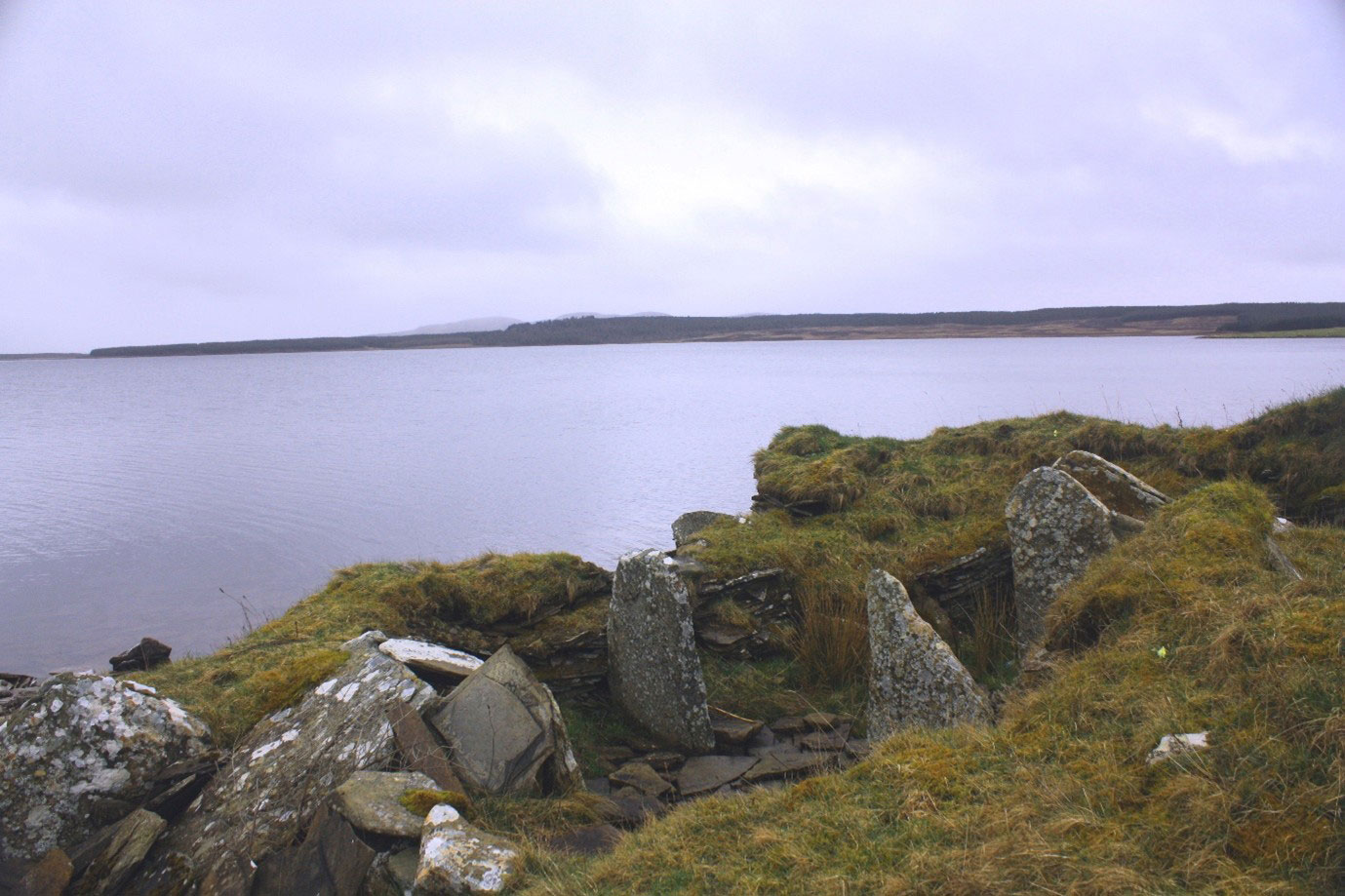
BARCELONA, SPAIN—According to a statement released by the University of Barcelona, researchers Assumpció Malgosa, Carlos Tonero, Pau Sureda, Xavier Jordana, and Filiana Sotiriadou analyzed the levels of stables isotopes of carbon and nitrogen in samples of collagen taken from 49 sets of human remains from the Talayotic culture dated to between 2,800 and 3,600 years ago. They found that the individuals, who were all buried in the Cova des Pas necropolis on the Balearic Island of Menorca, had equal access to food. The diet shared by all, regardless of sex or age, consisted of local plants, including cereals such as wheat, and meat from goat and sheep herds. “Contrary to what has been seen in other settlements of the same period in Formentera or Mallorca, the consumption of marine food resources would have been occasional in these individuals,” Tornero said. The study also determined that children were breastfed until about four years of age. Equal access to food suggests that the people living on Menorca were socially egalitarian. Other studies of the remains from Cova des Pas have found no differences in life expectancy or in the treatment of the burials, Malgosa added. Read the original scholarly article about this research in Archaeological and Anthropological Sciences. To read about a rich burial of the Bronze Age El Argar culture uncovered in southeast Spain, go to "Crowning Glory."
“Svingerud Stone” Discovered in Norway
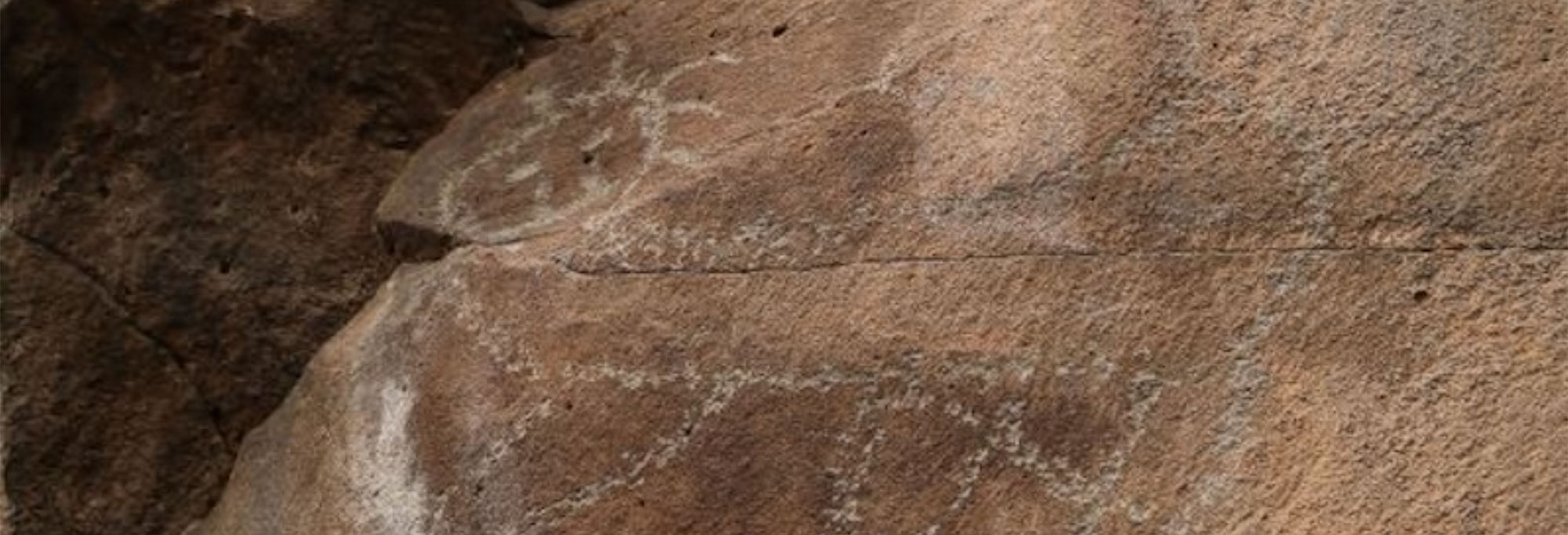
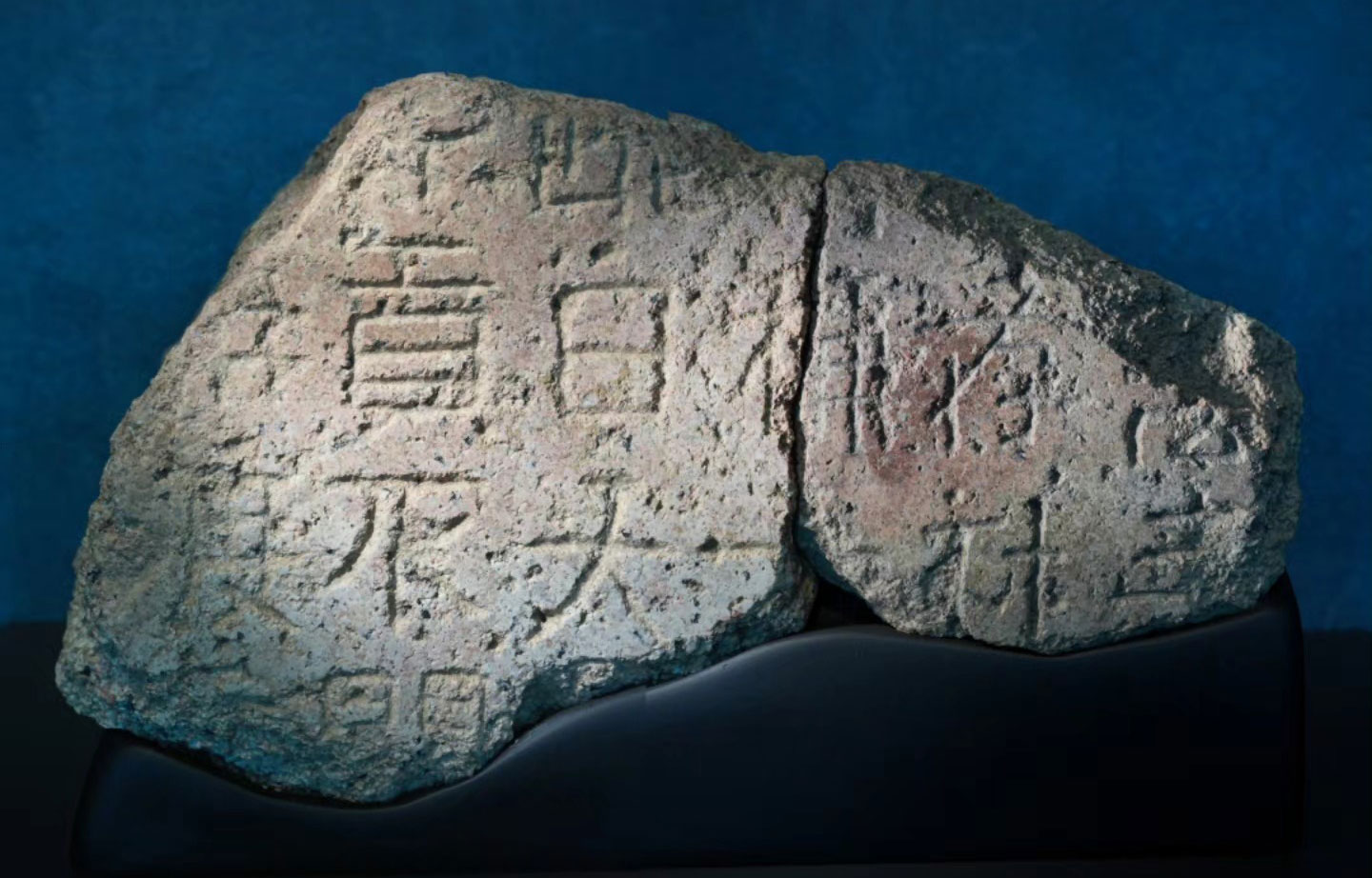
OSLO, NORWAY—The Guardian reports that a runestone estimated to be up to 2,000 years old has been found in a cremation pit in southern Norway. “This find will give us a lot of knowledge about the use of runes in the early Iron Age,” said Krestel Zilmer of the University of Oslo. “This may be one of the first attempts to use runes in Norway and Scandinavia on stone,” she added. Zilmer thinks the runes were carved on the brownish piece of sandstone, which has been dubbed the “Svingerud Stone,” with the tip of a knife or a needle. The writing may name a man, woman, or family, she concluded. To read about new interpretations of a five-ton runestone unearthed in Sweden, go to "The Emperor of Stones."
Ancient Warrior’s Tomb Unearthed in Romania
MIZIL, ROMANIA—A road construction project in southeastern Romania has revealed four archaeological sites, including a warrior’s tomb dated to the fifth century A.D., according to a Live Science report. At that time, the region was controlled by nomadic horsemen known as the Huns, who originated in Central Asia. Silviu Ene of the Vasile Pârvan Institute of Archaeology said the tomb contained the warrior’s skeleton, gold and gemstone jewelry, a bronze cauldron, sconces for mounting candles on a wall, and the remains of a horse and a gilded saddle. The warrior’s face had been covered with a gold mask. The weapons included an iron sword in a gilded scabbard, a dagger with a gold-covered hilt inlaid with gemstones, bundles of iron arrowheads, and decorated bone braces that had been fitted to a wooden bow. Pits, traces of dwellings, and other tombs were also uncovered at this site, Ene added. To read about identifying ancient sites in Romania using aerial photography, go to "Spying the Past from the Sky."
Genome Study Reveals Family Ties in Bronze Age Greece
LEIPZIG, GERMANY—CNN reports that an international team of researchers has examined the genomes of more than 100 Bronze Age residents of Minoan Crete and Mycenaean Greece. They were even able to reconstruct the family tree of people whose remains were found in a sixteenth-century B.C. tomb placed under the courtyard of a Mycenaean house. “We could see, for example, that the three sons lived as adults in this house,” said Philipp W. Stockhammer of the Max Planck Institute for Evolutionary Anthropology. “One of the marriage partners brought her sister and a child. It’s a very complex group of people living together,” he added. The study also found that about half of the people living in the region probably married their first cousins, compared to about one-third of the people who lived on the mainland. “It’s not 100 percent, but not everybody has a cousin,” Stockhammer said. The practice may have kept land in the family, he explained, which would be important since it can take decades to establish the olive trees and grape vines grown in the region. For more on the Minoans, go to "The Minoans of Crete."
Remains of Lost WWII Pilot Identified
OFFUTT AIR FORCE BASE, NEBRASKA—According to an Associated Press report, the remains of an Army Air Forces pilot shot down over Germany during World War II have been identified by the Defense POW/MIA Accounting Agency. Six of the 10 crew members onboard a B-17G Flying Fortress bomber for a mission over Leipzig on May 29, 1944 were able to escape the plane when it was hit, but 23-year-old Lt. Carl Nesbitt of Lima, Ohio, and the others were killed. It had been thought that the men had been buried in a local cemetery, and the American Graves Registration Command (AGRC) was able to recover the remains of one of the crew members in 1946. However, the AGRC was no longer able to look for the remains of the fallen after 1950, when this part of Germany was under the control of the Soviet Union. The crash site was located by the Joint POW/MIA Accounting Command in 2012, and an excavation was conducted in 2019. Nesbitt’s remains were identified through dental and anthropological analysis, mitochondrial DNA analysis, and circumstantial and material evidence. His surviving family members have been notified and his remains will be reburied later this year. To read about another Air Forces pilot whose remains were recovered from Normandy, go to "Letter from Normandy: The Legacy of the Longest Day."
Possible Royal Tomb Discovered in Luxor
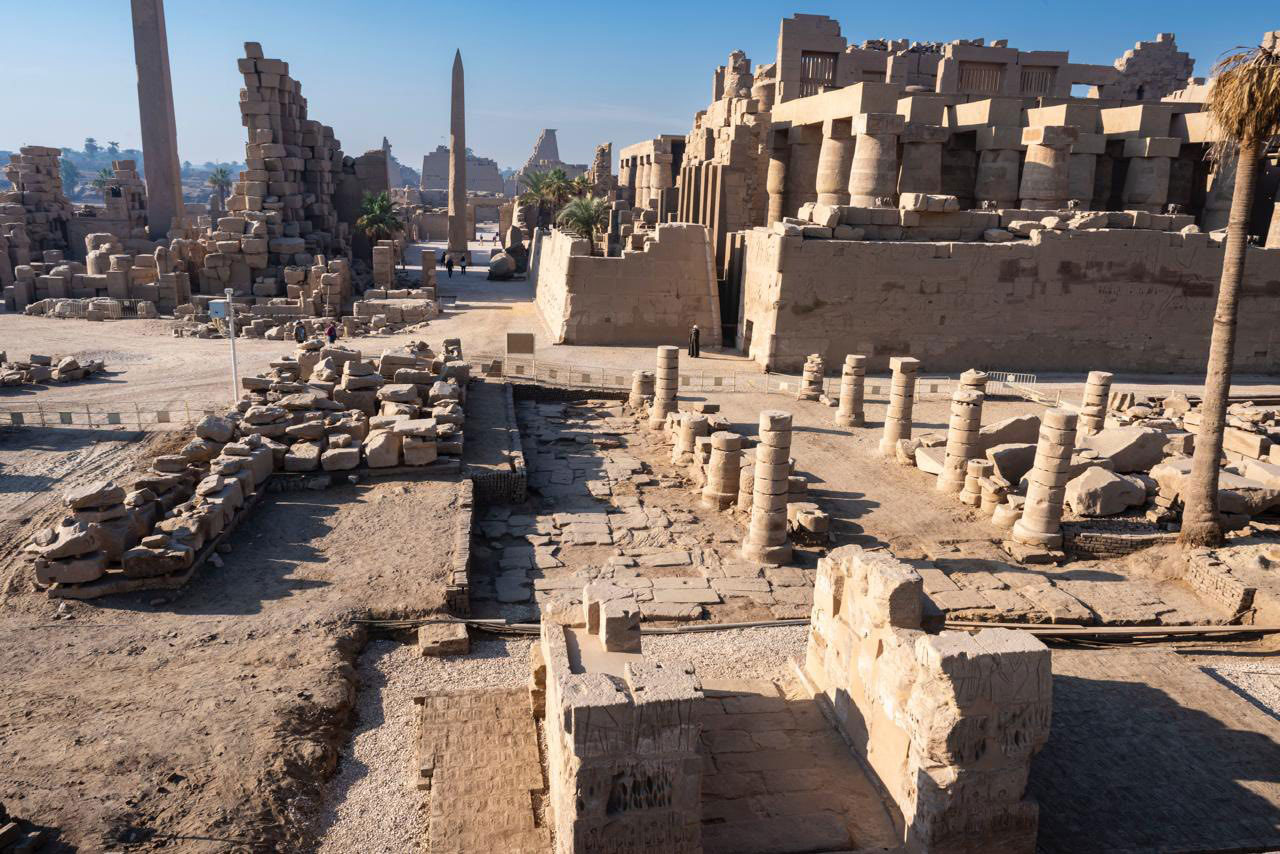
LUXOR, EGYPT—According to an NPR report, Mostafa Waziri of Egypt’s Supreme Council of Antiquities has announced the discovery of a royal tomb by a team of Egyptian and British archaeologists. The tomb, which may belong to a royal wife or princess, is thought to date to the 18th Dynasty, which spanned ca. 1550 to 1295 B.C. The site has been partially damaged by floodwaters. To read about the discovery of previously unknown sarcophagi in a large underground mausoleum, go to "Reburial in Luxor."
Traces of Possible Maya Settlement Uncovered in Mexico
TABASCO, MEXICO—According to a statement released by Mexico’s National Institute of Anthropology and History (INAH), two clay mounds were discovered during a survey ahead of the construction of an oil and gas pipeline near the coast of southeastern Mexico. José Luis Romero Rivera said that the clay mounds were used as housing platforms, and could be part of an unknown Maya settlement site that would have been situated between the sites of Huimango and Comalcalco, where traces of earthen structures were also found. Pottery was also found along the pipeline route, about two miles away from the platforms. Archaeologists are now working to date the platforms and determine if the discoveries represent one large settlement or two small sites, Rivera added. To read about the largest known ceremonial structure in the Maya world, go to "Oldest Maya Temple," one of ARCHAEOLOGY's Top 10 Discoveries of 2020.
North Asia’s Prehistoric Gene Flow Examined
TÜBINGEN, GERMANY—A study of 10 sets of human remains in North Asia dating back as many as 7,500 years ago suggests that hunter-gatherers traveled far and wide, including back and forth across the Bering Land Bridge, according to a Live Science report. Ke Wang of Fudan University, Cosimo Posth of the University of Tübingen, and their colleagues determined that a previously unknown group of hunter-gatherers lived in Siberia some 10,000 years ago. This group was the result of a mixture of two groups that lived in Siberia during the last Ice Age, Posth explained. Genes from groups in North America were also detected in remains in central Siberia and on Russia’s Kamchatka Peninsula. The researchers suggest that genes flowed back and forth between North America and Asia for about 5,000 years. They also found that an individual whose 6,500-year-old remains were discovered in Nizhnetytkesken Cave in the Altai Mountains had genetic ties to a group living about 900 miles away. “This implies that individuals with very different [genetic] profiles were living in the same region,” Wang said. His distinct belongings indicate that this person may have been a shaman. His ancestral group may have inhabited a larger area than previously thought, or he may have been a traveling healer. Posth concluded that mixing between ancient hunter-gatherer groups probably occurred more frequently than previously believed. Read the original scholarly article about this research in Current Biology. For more on scholars' theories about the peopling of the Americas, go to "Destination: The Americas."
DNA Study Offers Clues to Colonial-Era Slavery
CHARLESTON, SOUTH CAROLINA—Live Science reports that geneticist Raquel Fleskes of the University of Connecticut and her colleagues have analyzed DNA collected from the remains of enslaved people found in a small eighteenth-century cemetery in the international port city of Charleston, South Carolina, during a construction project in 2013. The remains were found in coffins along with objects including coins, tobacco pipes, and beads. The study was initiated by members of the Gullah Society, a nonprofit group that documents Black cemeteries, and members of the African American community of Charleston, who together formed the Anson Street African Burial Ground Project. The scientists were able to recover DNA samples from 18 of the 36 sets of human remains, which are now known as the Anson Street Ancestors. When compared to reference samples, the study showed that 17 of the 18 individuals in the study had predominantly African ancestry. Twelve of them had ancestors from West or West-Central Africa, and five had ancestry from Sub-Saharan Africa. One had ancestors from West Africa and North America, reflecting previous interactions between descendants of Africans and Indigenous North Americans. Strontium isotope analysis of the minerals in the individuals’ teeth further indicates that 13 of the Anson Street Ancestors were likely born and raised in West Africa. The study also suggests that none of the individuals in the study were related to one another. The remains of all of the Anson Street Ancestors have been reinterred. To read about a nineteenth-century identification tag unearthed in Charleston that was worn by an enslaved person, go to "Slave Tag," one of ARCHAEOLOGY's Top 10 Discoveries of 2021.
Waterlogged Wood in Poland Dates Founding of Medieval City
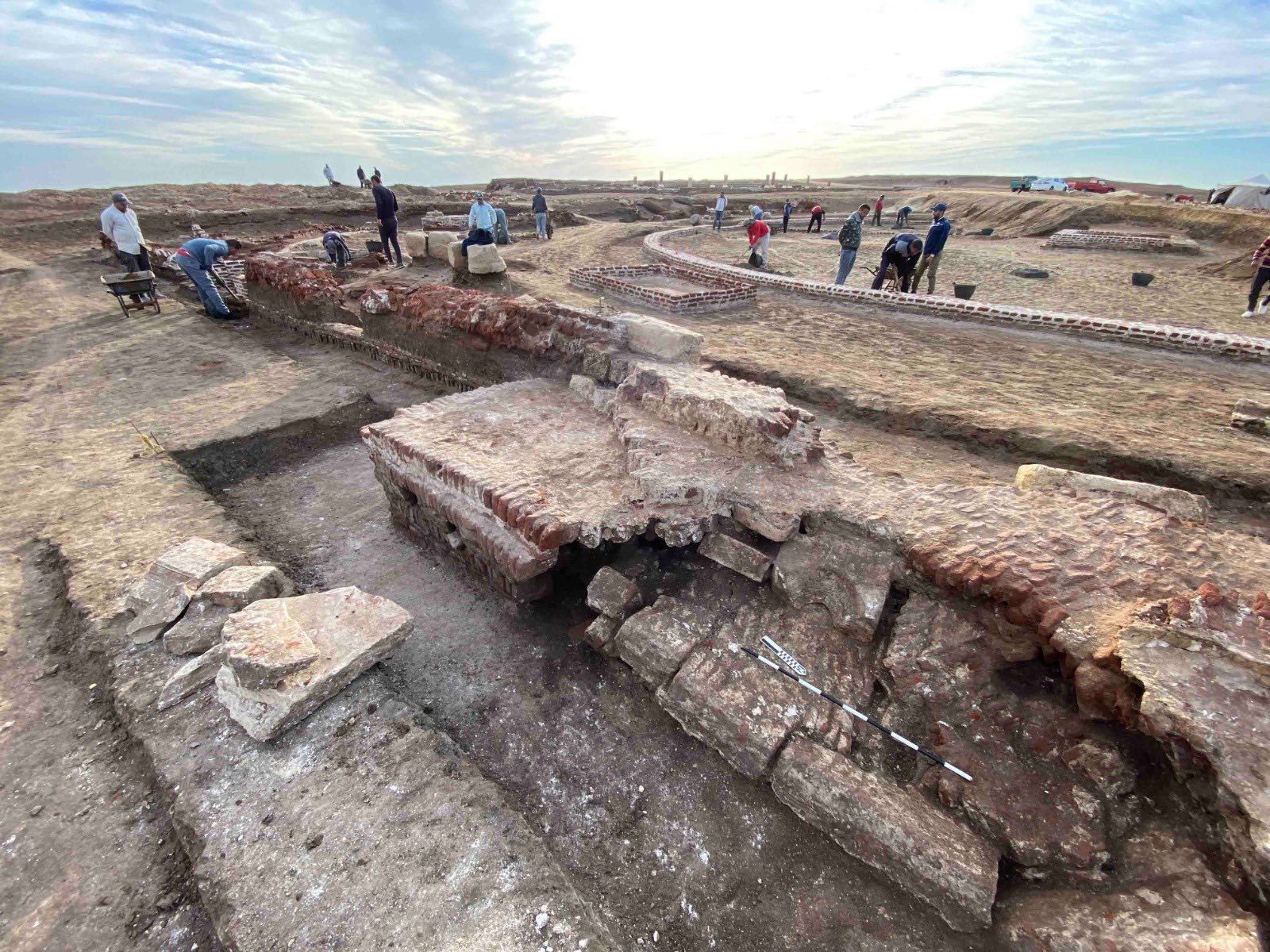
GDAŃSK, POLAND—New dates obtained from traces of a tenth-century Slavic settlement found in the cellars under the Main City Hall in Gdańsk have pushed back the founding of the city to A.D. 930, according to a Science in Poland report. “Radiocarbon dating gave a result between the years 911 and 951, while dendrochronology indicated the year 930,” said Waldemar Ossowski of the Museum of Gdańsk. He explained that previous dates for the founding of the city had been based upon the remains of thirteenth-century buildings and a possible tenth-century rampart found nearby in the 1970s. The wooden structures in the city hall cellars were preserved by a natural wetland, and were probably left in place to add to buildings constructed on the site in the fourteenth century, he added. The wooden structures will be reburied in the waterlogged cellars and secured with geotextiles to protect them, Ossowski concluded. To read about a 200-year-old sealed water bottle found in the Gulf of Gdansk, go to "Around the World: Poland."
New Thoughts on Maya Obsidian Markets
PULLMAN, WASHINGTON—According to a statement released by Washington State University, the Maya obsidian market in midwestern Guatemala some 500 years ago received less oversight from the K’iche’ elite than previously thought. Rachel Horowitz analyzed obsidian artifacts held at Tulane University that were unearthed from the area around Q’umarkaj, the K’iche’ capital, in the 1970s. She determined that most of this obsidian originated in Q’umarkaj and the central K’iche’ area, suggesting that the elites were in control of its production and distribution. An abundance of obsidian from Mexico was also found in these central sites, perhaps because it was imported by the elites. Horowitz also found, however, that in areas that had been conquered by the K’iche', people obtained obsidian from different sources. She thinks that people who lived in outlying areas would have been able to buy blades and other obsidian tools from local craftsmen who had their own markets and sources of the volcanic glass. To read about murals that depict a story recorded in a K'iche' epic, go to "Piecing Together Maya Creation Stories."
Advertisement