Denisovan Genes May Have Boosted Modern Human Immunity
MELBOURNE, AUSTRALIA—According to a Science Magazine report, a comparison of Neanderthal genomes, the genomes of 56 living people from Papua New Guinea, and the genomes of Denisovans recovered from Siberia’s Denisova Cave suggests that modern Papuans inherited more than 80,000 Denisovan gene variants. Some of those genes are thought to have fine-tuned the immune systems of modern Papuans to the environment. In particular, several of the variants were shown to reduce the inflammatory response in white blood cells collected from Papuans by Christopher Kinipi of the University of Papua New Guinea. “In the tropics where people have high loads of infectious disease, you might want to tone down the immune response a little and not go overboard,” explained evolutionary geneticist Irene Gallego Romero of the University of Melbourne. Such gene swaps with other hominins, who were well adapted to the regions in which they lived, would have allowed migrating modern humans to adapt quickly to new areas with new pathogens, concluded computational biologist Janet Kelso of the Max Planck Institute for Evolutionary Anthropology. Read the original scholarly article about this research in PLOS Genetics. For more on Denisovan DNA, go to "Our Tangled Ancestry."
2,200-Year-Old Weapon Recovered in Israel
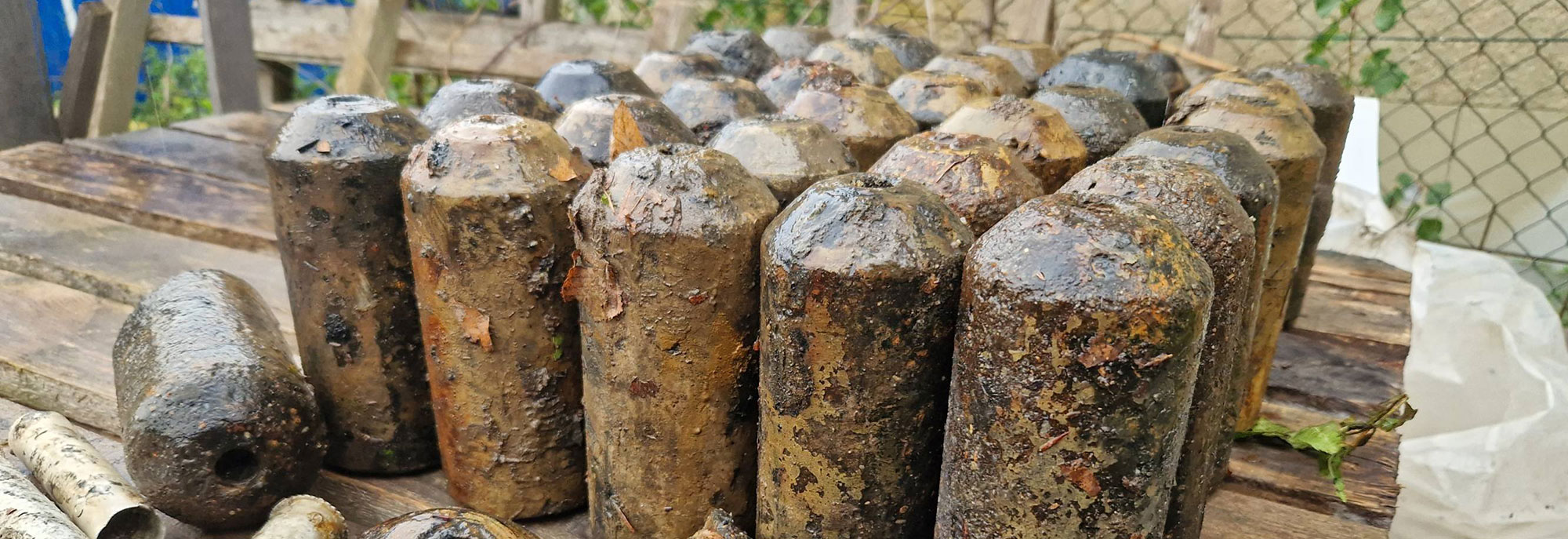
YAVNE, ISRAEL—A 2,200-year-old lead sling bullet has been unearthed in central Israel by researchers from the Israel Antiquities Authority, according to an i24 News report. Yulia Ustinova of Ben Gurion University of the Negev said the object bears a Greek inscription reading, “Victory of Heracles and Hauronas,” the divine patrons of the city during the Hellenistic period. “Actually, the inscription on a sling bullet is the first archaeological evidence of the two guardians of Yavne, discovered inside Yavne itself,” Ustinova said. “Until today, the pair was only known from an inscription on the Greek island of Delos.” Calling on the gods could have unified the warriors, raised their spirits, scared the enemy, and may have been thought to energize the sling bullet itself, she added. To read about a 1,500-year-old gold and amethyst ring found at Yavne, go to "Around the World: Israel."
Maya Statue Discovered in the Yucatán
YUCATÁN, MEXICO—Mexico News Daily reports that work along the route of the Maya Train in southeastern Mexico has uncovered a limestone statue near a staircase covered with hieroglyphs at the site of Oxkintok. “He was found lying on his back and represents the human figure,” said archaeologist Luis Pantoja Díaz. “We see the marked pectorals, the middle part that could be the hanging belly and the part of the member,” he added. The statue, however, is missing its head, hands, and lower legs. Diego Prieto of Mexico's National Institute of Anthropology and History suggested that the statue represents a warrior who was taken prisoner during combat and decapitated. To read about a recently unearthed fragment of the Maya ritual calendar, go to "Earliest Maya Calendar Date," one of ARCHAEOLOGY's Top 10 Discoveries of 2022.
Neolithic Grinding Stone Found in Scotland
STIRLING, SCOTLAND—An area of abrasive sandstone in central Scotland may have been used as a giant whetstone by Neolithic toolmakers, according to a BBC News report. Volunteers and Stirling Council archaeologist Murray Cook removed a layer of turf from the sandstone and recorded 33 U-shaped grooves, or polissoirs, where stone axes are thought to have been polished some 4,500 years ago. Cook suggests that people may have come from miles around to sharpen and smooth their tools at the site. To read about recent investigations at Scotland's Caerlaverock Castle, go to "Storming the Castle."
New Dates Obtained for Ethiopia’s Early Christian Churches
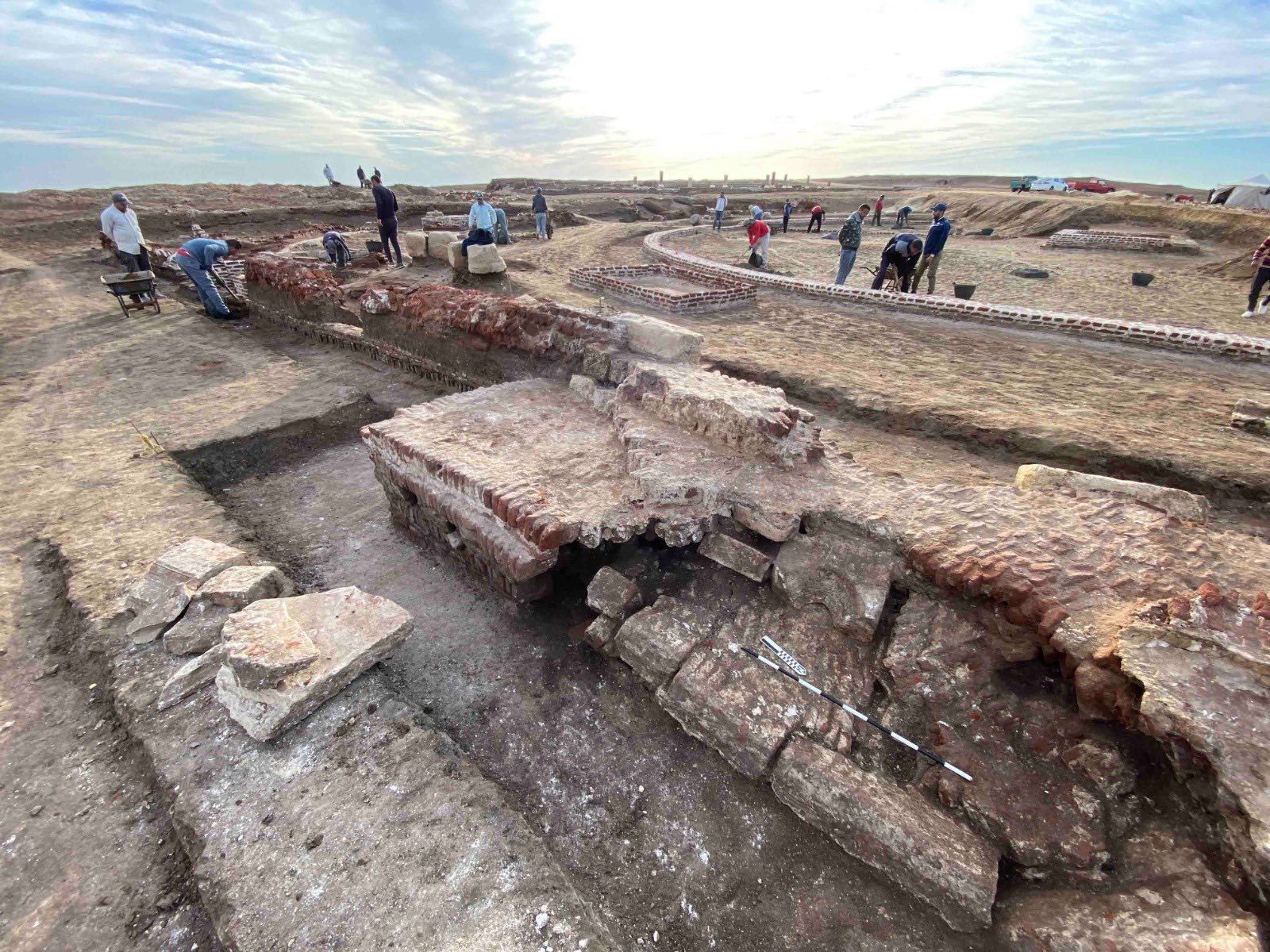
ADULIS, ETHIOPIA—According to a statement released by Cambridge University Press, Gabriele Castiglia of the Pontifical Institute of Christian Archaeology and her colleagues have examined and dated two Christian church sites in an ancient port city in the Kingdom of Aksum, which included parts of northeastern Africa and southern Arabia in the first millennium A.D. One of these early churches has a baptistry and may have been a cathedral. It was built in the large platform style identified with the Aksumite tradition, while the second church features a ring of columns indicating that it had a Byzantine-style dome. King Ezana of Aksum is known to have converted to Christianity in the mid-fourth century. The new radiocarbon dates indicate that the cathedral was built between A.D. 400 and 535, and the domed church was built between A.D. 480 and 625. Castiglia said that determining a precise chronology for these churches is key to understanding how the process of conversion to Christianity shaped the geographical and cultural area. The variety observed in the two churches suggests the religion’s spread was not the result of a single factor, such as a mandate from the king, she explained. Read the original scholarly article about this research in Antiquity. To read about excavations of an early Christian basilica at another site in Ethiopia, go to "Early Adopters."
11,000-Year-Old Carvings Uncovered in Turkey
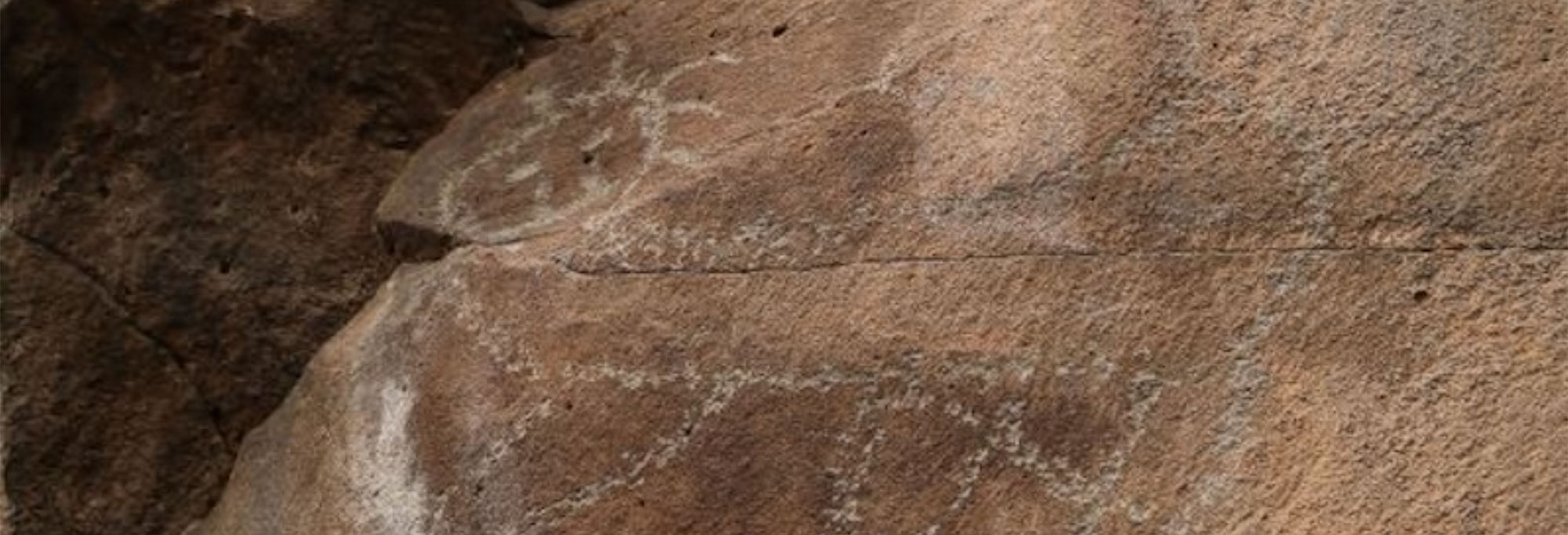
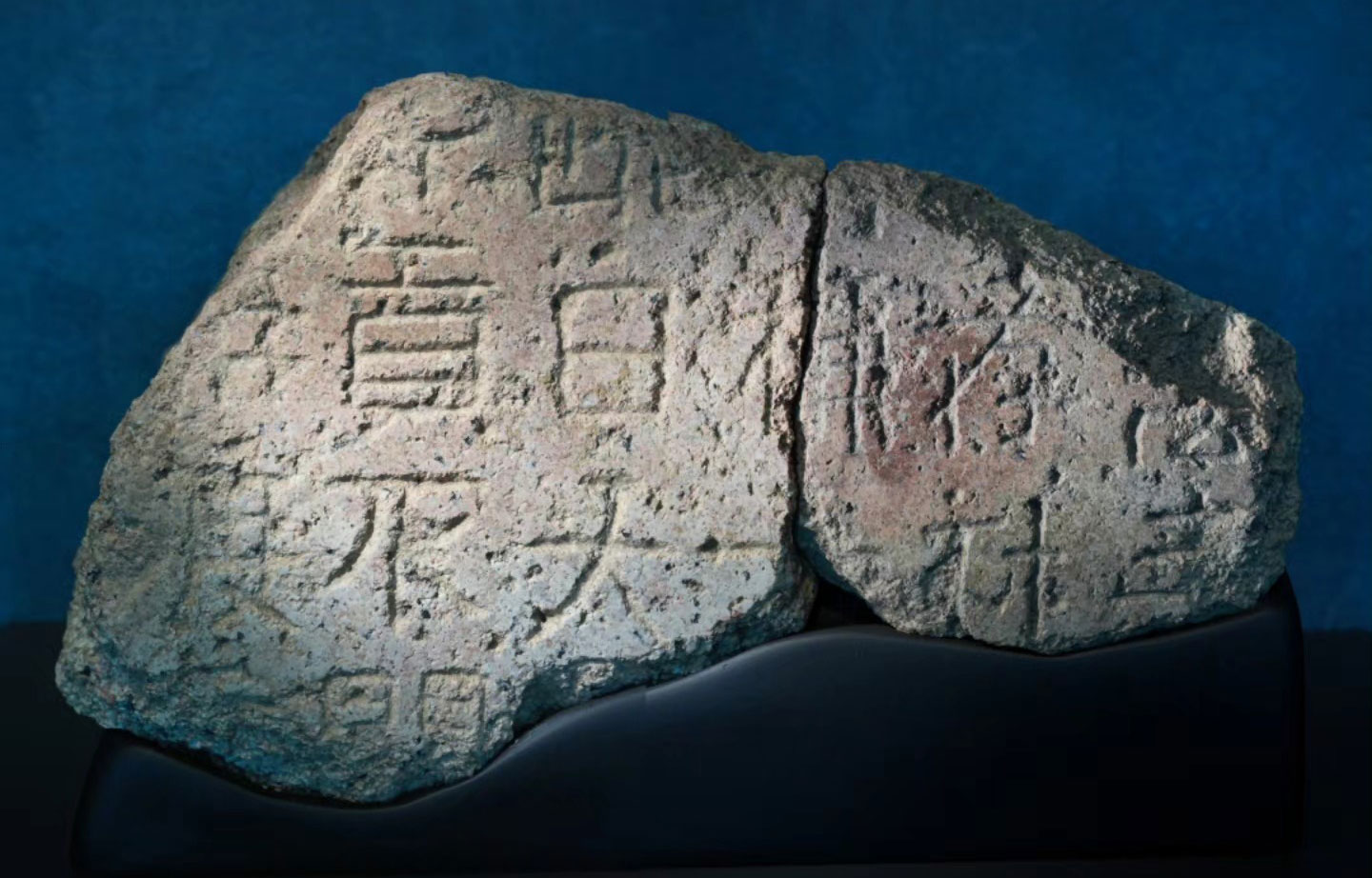
ISTANBUL, TURKEY—According to a Gizmodo report, narrative scenes thought to have been carved some 11,000 years ago have been discovered in southeastern Anatolia at the site of Sayburç by Eylem Özdoğan of Istanbul University. The five figures, found behind benches lining the walls of a Neolithic building, include two apparently male humans, a bull, and two leopards. One of the men is holding a snake or rattle in his right hand, while the other is holding his own penis. Özdoğan thinks one of the humans and the bull make up one scene, while the human flanked by two leopards make up a second. The building is thought to have served a communal purpose, he added, noting that the carvings may reflect a collective memory. Read the original scholarly article about this research in Antiquity. To read about the 11,000-year-old stone circles at Göbekli Tepe in Turkey, go to "Last Stand of the Hunter-Gatherers?"
Roman Road Uncovered in Northern Israel
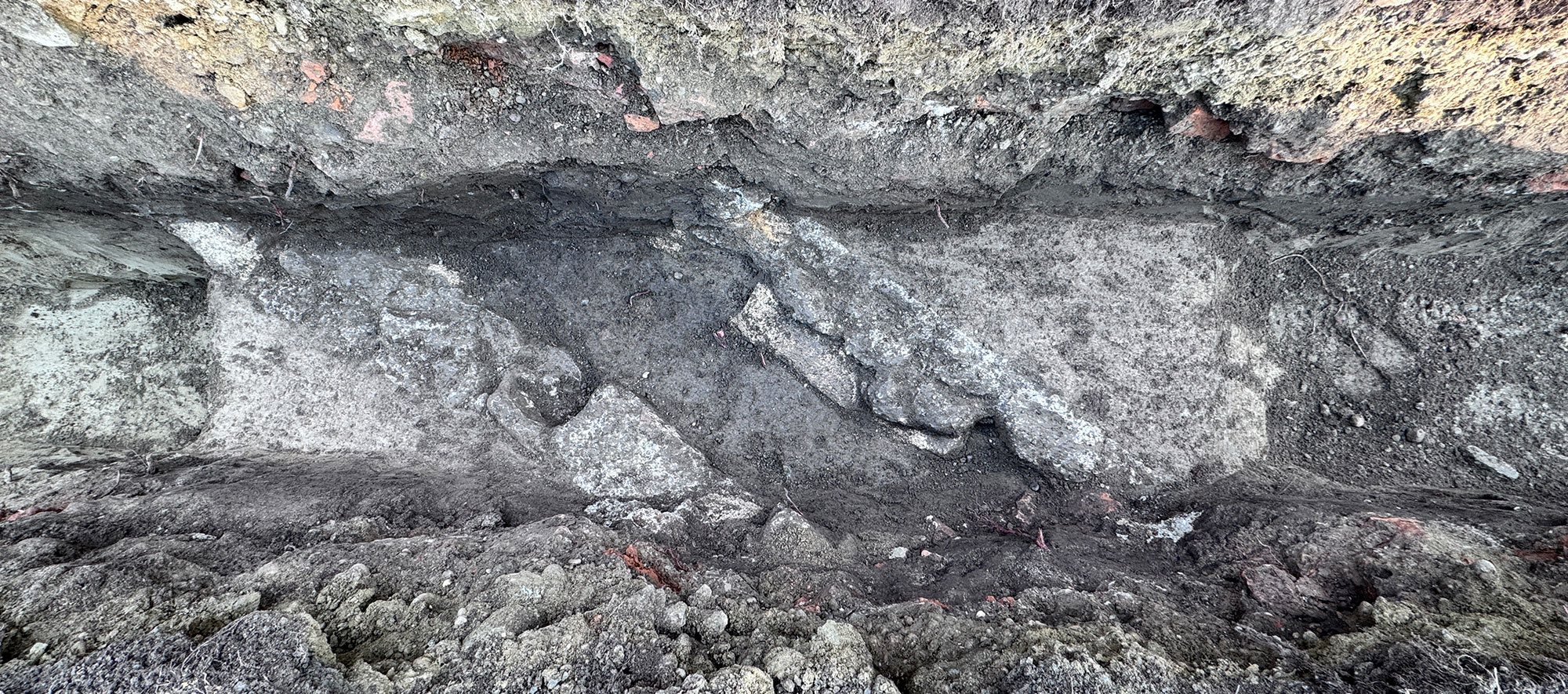
TIBERIAS, ISRAEL—The Times of Israel reports that a section of 1,800-year-old Roman road was uncovered in northern Israel, near the Sea of Galilee, during work on a walking trail. The section runs from north to south, and measures 82 feet long and 26 feet wide. Researchers from the Israel Antiquities Authority said the road, which was built during the reign of Hadrian to move soldiers, mail, and goods, connected the cities of Acre, Sepphoris, and Tiberias. The road was eventually renovated during the Byzantine period. Pottery and coins from the Roman and Byzantine periods were also recovered. To read about a seventh-century mosque unearthed in ancient Tiberias, go to "Around the World: Israel."
Advertisement