Could Homo Naledi Control Fire?
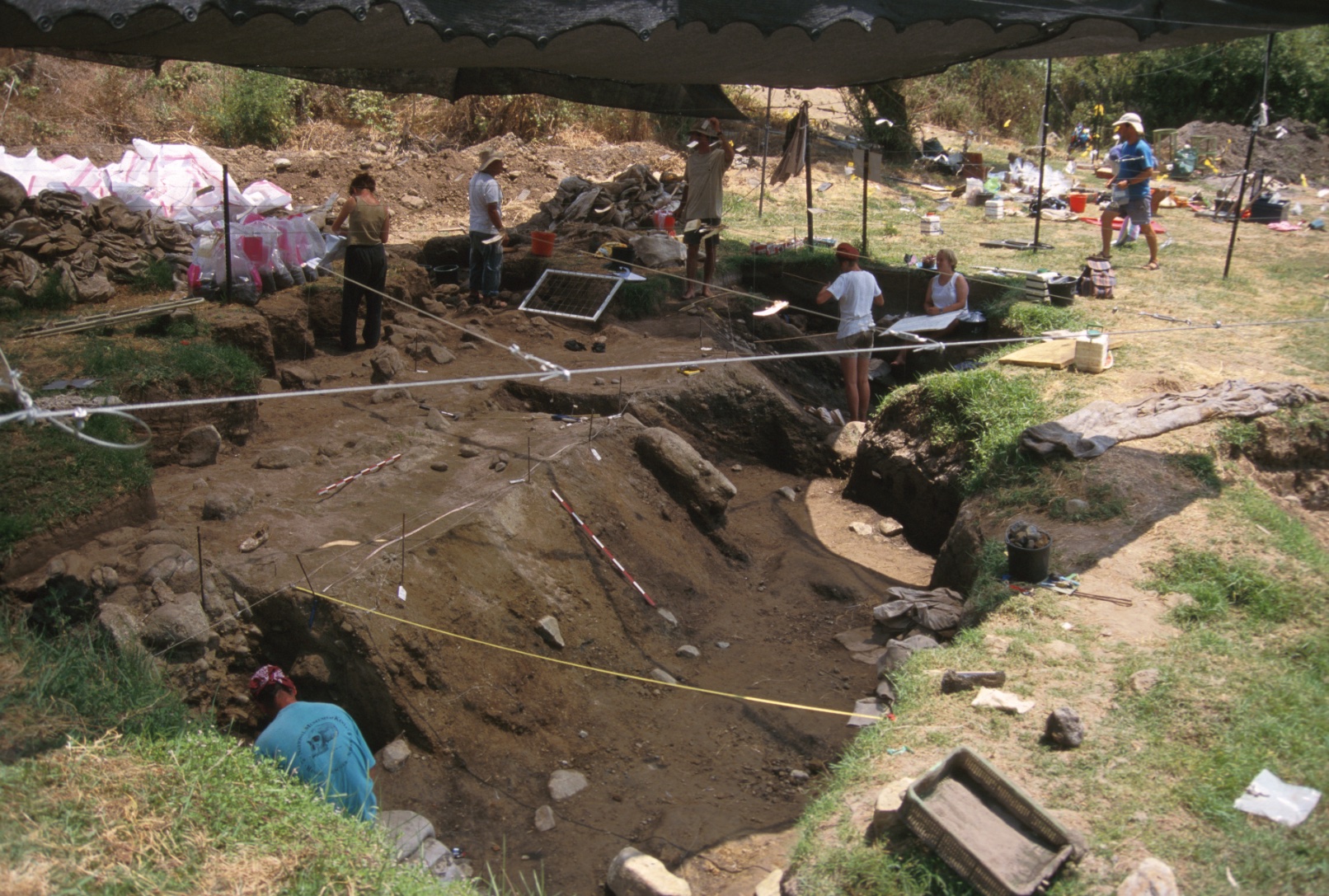
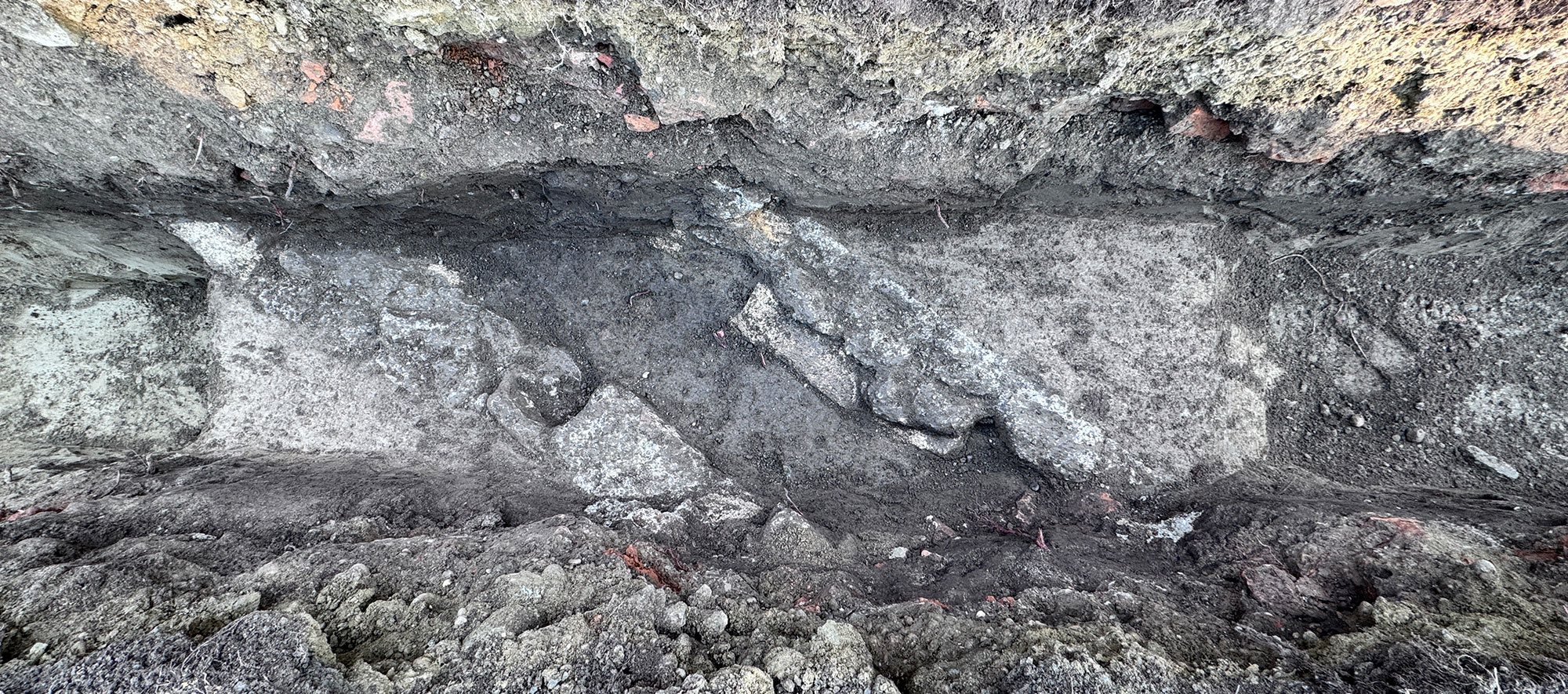
JOHANNESBURG, SOUTH AFRICA—Remnants of small fireplaces containing charred bits of wood and burned animal bones and sooty wall and ceiling smudges have been spotted in South Africa’s Rising Star cave complex, where the remains of Homo naledi were discovered by paleoanthropologist Lee Berger of the University of the Witwatersrand and his colleagues in 2013, according to a Science News report. The small-brained H. naledi fossils have been dated from 335,000 to 236,000 years old. “Signs of fire use are everywhere in this cave system,” including a remote chamber that also held H. naledi fossils, Berger said. The age of the fires and animal bones has not yet been determined, but the remains of no other hominin species have been found to date in the caves, Berger explained. Critics caution that the fires could have been built by visitors to the cave system, while the animal bones could have been washed in during heavy rains. For more, go to "Homo naledi," one of ARCHAEOLOGY's Top 10 Discoveries of the Decade.
Chemical Analysis Offers Clues to Late Bronze Age Supply Chain
ST. LOUIS, MISSOURI—According to a statement released by Washington University in St. Louis, a team of researchers led by Wayne Powell of Brooklyn College has analyzed the chemical composition of tin ingots recovered from Turkey’s Uluburun shipwreck, which sank some 3,300 years ago. The scientists determined that about one-third of the tin on the vessel came from the Mušiston mine, which is located in what is now Uzbekistan. This mine was situated more than 2,000 miles from Haifa, where the ship is believed to have taken on its cargo. Michael Frachetti of Washington University in St. Louis said that the small communities of highland pastoralists who mined this ore must have been connected to overland trade routes that connected them to the Mediterranean region. The rest of the tin on the ship came from Anatolia’s Kestel mine, and was likely produced by the Hittites who controlled it, he added. There was enough copper and tin on the Uluburun ship to produce more than enough high-quality bronze to fashion some 5,000 swords, Frachetti concluded. Read the original scholarly article about this research in Science Advances. For more on the shipwreck's discovery and excavation, go to "History's 10 Greatest Wrecks...Cape Gelidonya and Uluburun."
1,300-Year-Old Gold Necklace Unearthed in England
NORTHAMPTON, ENGLAND—BBC News reports that a gold necklace dated to between A.D. 630 and 670 was discovered in a grave in England’s East Midlands by a team of researchers from the Museum of London Archaeology, who were investigating a site ahead of a construction project. Only tiny fragments of tooth enamel from the human remains in the burial have been preserved. The necklace is made up of at least 30 pendants and beads made of Roman coins, gold, garnets, glass, and semiprecious stones. The centerpiece of the necklace is rectangular in shape and features a cross motif of red garnets set in gold. Team leader Levente-Bence Balazs and his colleagues think the pendant may have been recycled from a hinged clasp. Two pots, a shallow copper dish, and a cross elaborately decorated with silver human faces were also recovered from the grave, which may have belonged to a royal woman, or to an early Christian abbess. To read about a peculiar find in a woman's burial that was unearthed at a German monastery, go to "Medieval Female Scribe," one of ARCHAEOLOGY's Top 10 Discoveries of 2019.
New Thoughts on Prehistoric Owl Plaques
MADRID, SPAIN—According to a CNN report, Victor Díaz Núñez de Arenas of the Complutense University of Madrid and his colleagues suggest that 5,000-year-old pieces of slate engraved with images of owls, which are found in tombs and dwelling sites across Spain and Portugal, may have been made by children. It had been previously thought that the owl plaques served a ritual purpose, but Díaz Núñez de Arenas explained that many of them have been found without a clear ritual context, and many have an informal appearance. He and his colleagues documented the traits of owls depicted on 100 of the plaques, such as tufts of feathers, feather patterns, beak, wings, and a flat facial disk. They then compared what they recorded on the ancient owls with 100 drawings created by children in an elementary school in southwestern Spain. “The similarity of these plaques with the drawings made by children of our days is very remarkable,” Díaz Núñez de Arenas concluded, adding that prehistoric children may have used perforations in the plaques to insert real feathers. The practice of engraving owl plaques may have been used to teach children needed tool-making skills, and may have allowed them to contribute to ceremonies for the dead, he added. Read the original scholarly article about this research in Scientific Reports. To read about a Roman owl brooch unearthed in Denmark, go to "A Rare Bird."
DNA Offers Clues to Medieval Ashkenazi Jewish Communities
ERFURT, GERMANY—Analysis of DNA extracted from detached teeth recovered from the graves of 33 Ashkenazi Jews who lived in medieval Germany suggests that the population of Ashkenazi Jews was more genetically diverse in the fourteenth century than it is today, according to a Live Science report. The study also indicates that a genetic bottleneck brought about by a drastic reduction in the size of the ancestral population occurred around A.D. 1000, or about the time when the first Ashkenazi Jewish communities were established in the region. Shai Carmi of the Hebrew University of Jerusalem explained that by the early fifteenth century, the population of Ashkenazi Jews living in central Germany experienced a higher incidence of some cancers and genetic disorders as a result of this genetic bottleneck. Analysis of mitochondrial DNA recovered from the medieval teeth also shows that all of these individuals were the descendants of a single woman through their maternal line. Read the original scholarly article about this research in Cell. To read about Berlin's early history, go to "Letter from Germany: Berlin's Medieval Origins."
Egypt’s Fayum Oasis Yields Funerary Structure and Portraits
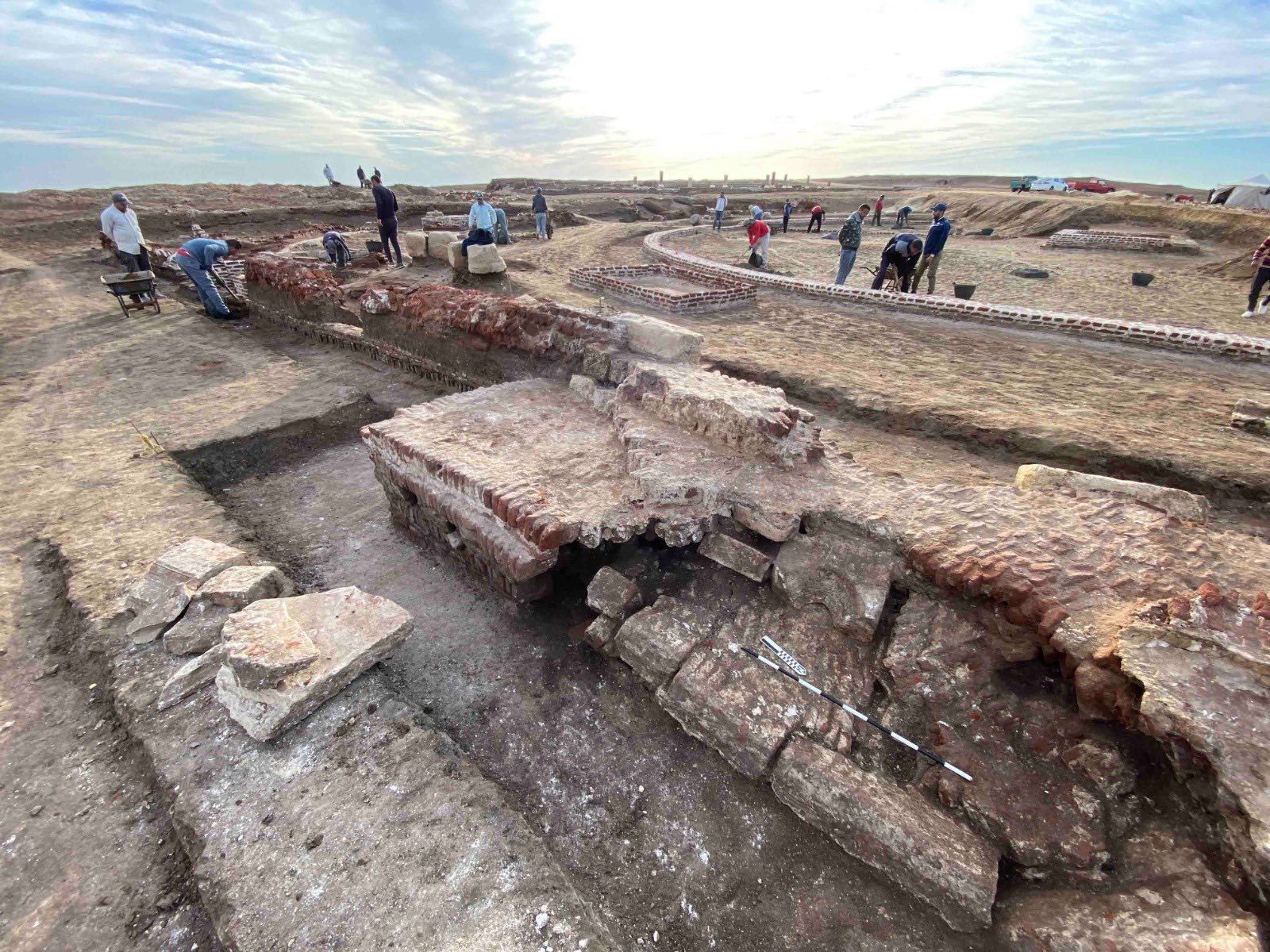
CAIRO, EGYPT—Ahram Online reports that a large funerary building dated to the Ptolemaic and Roman periods has been uncovered at the Garza archaeological site, which is located in middle Egypt’s Fayum Oasis. Inhabited by Egyptians and Greeks, the village at Garza was established by King Ptolemy II in the third century B.C. to produce food for the kingdom. Adel Okasha of the Central Department of Egyptian Antiquities said the building’s floor was made of different colored tiles and colored lime mortar. Four columns were found nearby. A terracotta statue of the goddess Isis Aphrodite, a cache of papyrus documents written in both Demotic and Greek script, coffins in both Egyptian and Greek styles, and the first so-called Fayum portraits to be found in more than 100 years were also unearthed, added archaeologist and team leader Basem Jihad. Such naturalistic portraits, painted on wooden boards, were attached to the faces of mummies during the Roman period, Okasha explained. To read about how researchers are using innovative techniques to study mummy portraits from the Fayum, go to "At Face Value."
Hoard of Medieval Silver Coins Discovered in Scotland
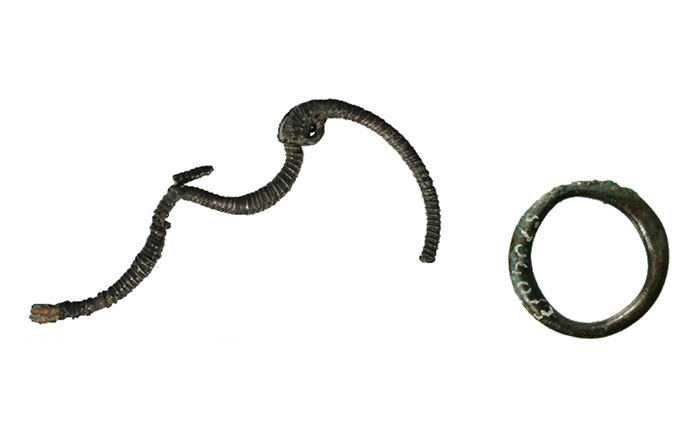
DUNSCORE, SCOTLAND—A hoard of silver coins was discovered last year by metal detectorists in a field in southwestern Scotland, according to a Live Science report. The metal detectorists reported the find to the Treasure Trove Unit of National Museums Scotland, who sent archaeologists to investigate the site and then examine each of the more than 8,400 coins, which have been dated to the thirteenth and fourteenth centuries. Many of them are “Edwardian pennies” minted during the reign of Edward I, from 1272 to 1307. The king invaded and conquered Scotland in 1296, leading to a period of rebellion until the Treaty of Edinburgh-Northampton in 1328. To read about a cache of Viking silver and Anglo-Saxon heirlooms unearthed in Scotland, go to "Secrets of Scotland's Viking Age Hoard."
Medieval Woman’s Life-Sized Model Created in Norway
TRONDHEIM, NORWAY—Live Science reports that a life-sized model of a woman who lived in central Norway some 800 years ago has been hand-made by a team of researchers and artists led by Ellen Grav of the Norwegian University of Science and Technology. The model, known as Tora, was based upon information gleaned from a woman’s skeleton and from the excavation of her grave in Trondheim. “We know that she was buried in the churchyard near the street where the merchants lived,” Grav said. Grav and her colleagues suspect, therefore, that the woman came from a merchant family. Study of her bones revealed that she had worked hard throughout her life, and died at about 65 years of age. She likely walked hunched over, due to a spinal deformity, and her lower teeth had been missing for a long time, Grav added. Tora’s hair and skin were crafted by makeup artist Thomas Foldberg, while her clothing and shoes were fabricated by archaeologist Marianne Vedeler of the University of Oslo and local dressmaker Nille Glæsel, who specializes in creating clothing with medieval techniques. “Tora’s life was hard, but she must have had good days as well,” Grav said of the model’s smiling face. To read about a skeleton found at the bottom of an abandoned well in Trondheim, go to "A True Viking Saga."
Pottery Residues Reveal Changes in Central China’s Neolithic Diet
HEFEI, CHINA—According to a statement released by the University of Science and Technology of China, Yang Yuzhang and his colleagues analyzed pottery fragments from the Neolithic site of Qujialing, which is located in the Yangtze River region of central China. Although rice dominated the diet, the researchers also detected traces of job’s tears, a type of millet; lotus roots; acorns; Chinese yam; and legumes on the sherds. Archaeological evidence also indicates that lotus roots were a staple food, and were likely collected from abundant local resources. As agriculture developed, however, and the practice of growing millet and other crops spread from northern China to the south, the reliance on gathered foods such as acorns decreased. Read the original scholarly article about this research in Frontiers in Plant Science. To read about the adoption of domesticated crops in the regional cuisines of Bronze Age China, go to "You Are How You Cook."
Advertisement