Objects Repatriated to Oneida Indian Nation
HAMILTON, NEW YORK—The Associated Press reports that Colgate University has returned more than 1,500 objects to the Oneida Indian Nation in a ceremony at the school, which is located on the Oneida’s ancestral territory. The items, including pendants, pots, bells, turtle shell rattles, beads, knives, harpoons, and a stone pipe, were purchased in 1959 from a collector who dug them up in upstate New York, and housed in the university’s Longyear Museum of Anthropology. The university began the process of transferring human remains and funerary objects to the Oneida in 1995 under the Native American Graves Protection and Repatriation Act. “It’s making things right again. It’s correcting a wrong,” commented Oneida Indian Nation Representative Ray Halbritter. To read about sites in upstate New York that preserve traces of the French and Indian War, go to "Letter from Lake George: Exploring the Great Warpath."
Revolutionary War–Era Graves Unearthed in South Carolina
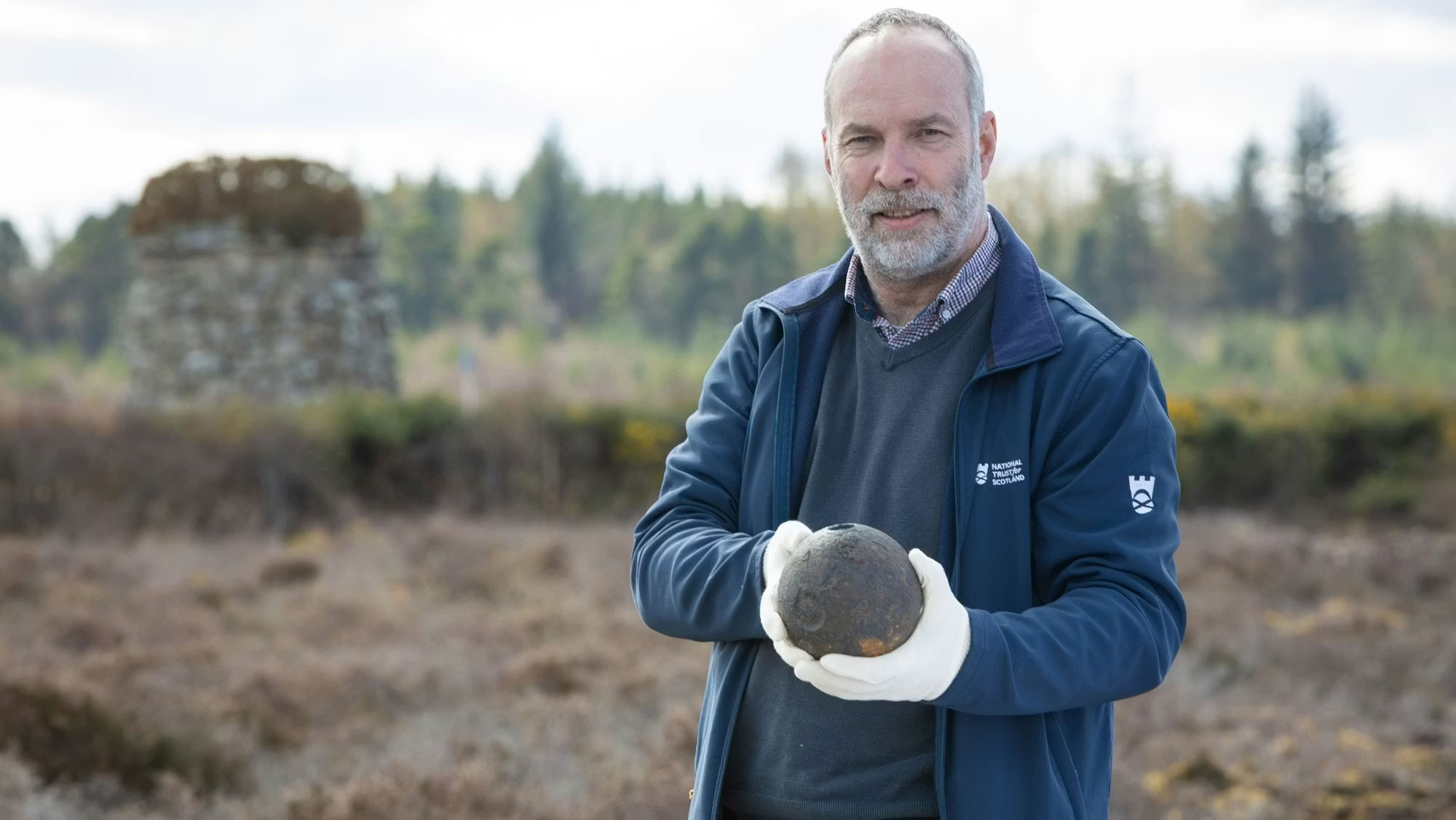
CAMDEN, SOUTH CAROLINA—The Post and Courier reports that forensic anthropologists from the Richland County Coroner’s Office and researchers from the South Carolina Battleground Preservation Trust recently removed human remains from the site of the Battle of Camden in central South Carolina. The battle was won on August 16, 1780, by experienced British regulars—led by General Charles Cornwallis—who faced sick and hungry militiamen led by Continental Army Major General Horatio Gates. The victory helped the British to strengthen their hold on the South. In all, the remains of 14 soldiers, including one British soldier and a possible Native American member of a Loyalist militia unit, men of the First and Second Maryland Brigades, the Delaware Continental Army, Armand’s Legion, and the Virginia and North Carolina militias have been recovered. Musket balls have already been spotted lodged in some of the bones, which will be examined by Carlina Maria de la Cova of the University of South Carolina. The remains will eventually be reburied on the battlefield. To read about another South Carolina Revolutionary War site, go to "Laurens' Last Stand."
Bathhouse Dated to Third Century B.C. Uncovered in Egypt
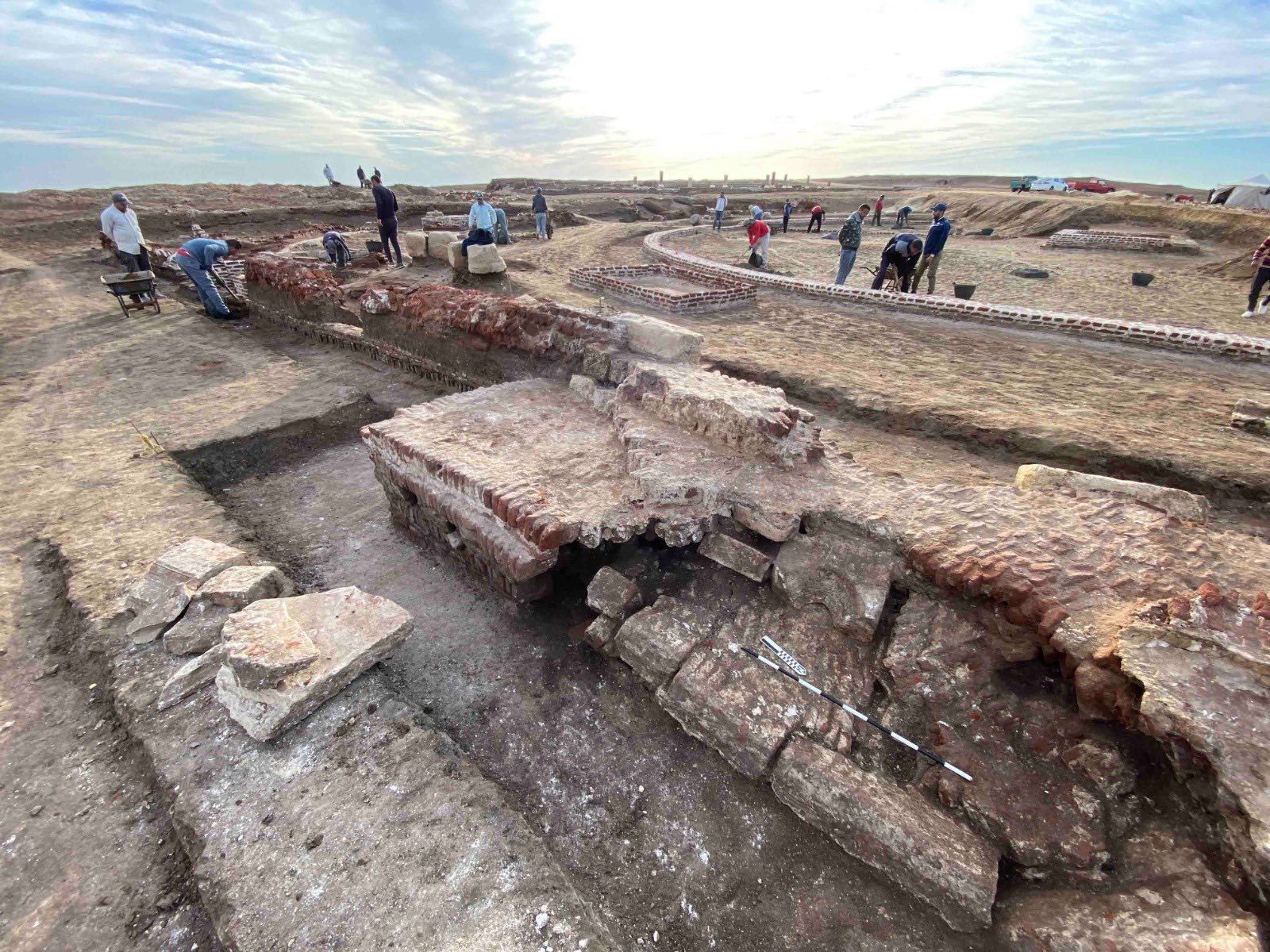
CAIRO, EGYPT—Live Science reports that a 2,200-year-old bathhouse has been discovered in Egypt at the Red Sea port of Berenike. The huge structure dates to Egypt’s Hellenistic period, when Berenike was a military center and trade hub for war elephants imported from East Africa, according to Marek Wozniak of the Polish Academy of Science. The bathhouse featured two circular tholoi with 14 bathtubs for cold or lukewarm water in each, in addition to a separate room for hot baths. Water to supply the bathhouse was kept in two large reservoirs fed by a single well. A gymnasium may have once stood to the west of the bathhouse, Wozniak added, for the use of the military personnel posted in the city. To read about the discovery of a papyrus cache at the world's oldest known harbor, which is located on the Red Sea, go to "Journeys of the Pyramid Builders."
Did Humans Cause the Demise of Madagascar’s Megafauna?
ANTANANARIVO, MADAGASCAR—A small population of Asians who stopped mixing with other groups of people about 2,000 years ago traveled to Madagascar and began mixing with a small African population living there some 1,000 years ago, according to a Science Magazine report. Jean-Aimé Rakotoarisoa of the University of Antananarivo and his colleagues analyzed DNA samples from people living in more than 250 villages on the island, in addition to musical and linguistic data. They had previously determined that the modern Malagasy population is most closely related to Bantu-speaking people of eastern Africa and Austronesian-speaking people of southern Borneo. The new study indicates the ancestral population began to grow at the peak of the island’s megafaunal mass extinction. Archaeological evidence also suggests that as their numbers grew, the ancestral population switched from hunting and foraging in small groups to building large settlements, planting rice, and grazing cattle. When combined with a hotter, drier climate, the human population explosion might have driven the extinction of giant creature such as elephant birds and human-sized lemurs, the researchers concluded. For more on the island's colonization, "World Roundup: Madagascar."
1,500-Year-Old Terracotta Figurines Found in Northern China
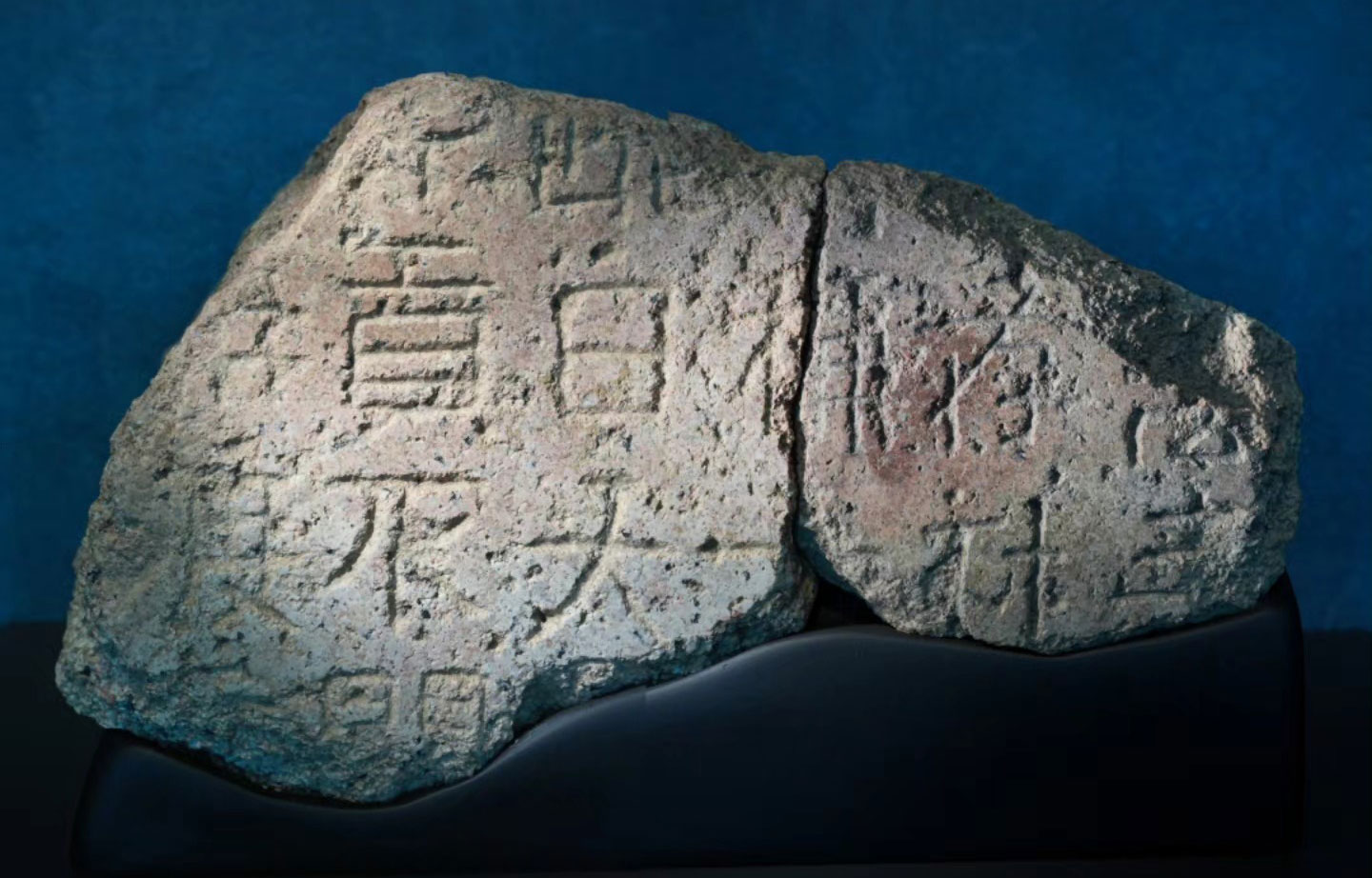
SHANXI, CHINA—China Daily reports that terracotta figurines have been found in northern China, in a tomb dated to the Northern Wei Dynasty (A.D. 386–534), by researchers from the Datong Institute of Cultural Relics and Archaeology. The figurines include depictions of musicians, dancers, servants, laborers, animals, and vessels, and are expected to shed light on the dynasty’s funeral, dress, and social practices. To read about a Northern Wei tomb of a couple buried in a loving embrace, go to "For Eternity."
Roman-Era Odeon Uncovered in Crete
CHANIA, GREECE—According to Live Science report, a Roman-era odeon has been discovered at Lissos, a remote ancient town on the island of Crete dated back to the fourth century B.C. Located across the Mediterranean Sea from Libya’s ancient Greek city of Cyrene, Lissos was likely a stop on Mediterranean trade routes. Katerina Tzanakaki of the Ephorate of Antiquities of Chania and her colleagues have uncovered part of the odeon’s stage, 14 rows of seats, and two vaulted side chambers. Lectures, theatrical performances, and literary and musical contests were probably held in the structure. Because of its location near the city center, it may have also been used for city council meetings, Tzanakaki added. The building is thought to have been heavily damaged by falling boulders during an earthquake in the fourth century A.D. To read about votive offerings left in the mountains of eastern Crete in the seventh century B.C., go to "Cretan Antiquing."
Early Bronze Age Settlement Investigated in Oman
DAHWA, OMAN—The Miami Herald reports that traces of a 5,000-year-old settlement have been unearthed in Oman’s northern Al Batinah Governorate by a team of Omani and American researchers. The settlement, built out of stone by the people of the Umm al-Nar culture, contained warehouses, administrative buildings, ritual buildings, and an industrial site for processing copper ore, explained archaeologist Nasser al-Jahuri. Jewelry, including a necklace of silver beads and a silver ring with an engraved bison seal, was found by Kimberly Williams of Temple University in a tomb that also held imported and locally made pottery and skeletal remains. Her colleague Dennys Frenez added that the ring could be linked to three additional cultures: the silver likely originated in Turkey, and may have been fashioned into a ring by a silversmith in Iraq, while the bison was a symbol used by the Harappan cultures of the Indus Valley, which is located in what are now Pakistan and India. To read about a game board unearthed at a 4,000-year-old site in the Qumayrah Valley, go to "Around the World: Oman."
Ancient Ivory Lice Comb Analyzed in Israel
JERUSALEM, ISRAEL—Science News reports that recent examination of a 4,000-year-old ivory comb unearthed in south-central Israel at the site of the ancient city of Lachish in 2016 has identified a faint inscription written in the language of the ancient Canaanites. Yosef Garfinkel of the Hebrew University of Jerusalem said the writing, which reads, “May this tusk root out the lice of the hair and the beard,” is the earliest known complete sentence written with a phonetic alphabet. The researchers also found the remains of a louse between the comb’s teeth. Garfinkel suggests that the elephant ivory comb was imported from Egypt and belonged to a wealthy man. Read the original scholarly article about this research in Jerusalem Journal of Archaeology. To read about how scientists extracted DNA from the scalps of 2,000-year-old mummies with head lice, go to "Around the World: Argentina."
Advertisement