Subscribe to Archaeology
Archaeological Headlines By JESSICA E. SARACENI
Wednesday, October 19

Neolithic Obsidian Artifacts from Iran Analyzed

NEW HAVEN, CONNECTICUT—According to a statement released by Yale University, researchers led by Ellery Frahm and Christina M. Carolus analyzed the chemical composition of more than 2,000 obsidian artifacts unearthed more than 50 years ago at the sites of Ali Kosh and Chagha Sefic, which are located on Iran’s Deh Luran Plain. The artifacts, which are held at the Yale Peabody Museum, are about 12,000 years old. The new study, conducted with portable X-ray fluorescence instruments, indicates that the obsidian came from seven separate sources, including Nemrut Dağ, a now-dormant volcano located some 1,000 miles away from the settlements. A computer model created with the data from the obsidian artifacts suggests that there were more Neolithic communities situated between the source volcanoes than had been previously thought, and the members of those communities were well connected to each other. Read the original scholarly article about this research in Proceedings of the National Academy of Sciences of the United States of America. For more on determining the chemical composition of obsidian, go to "High-Definition Obsidian."

New Thoughts on Fish Consumption in Iron Age Britain

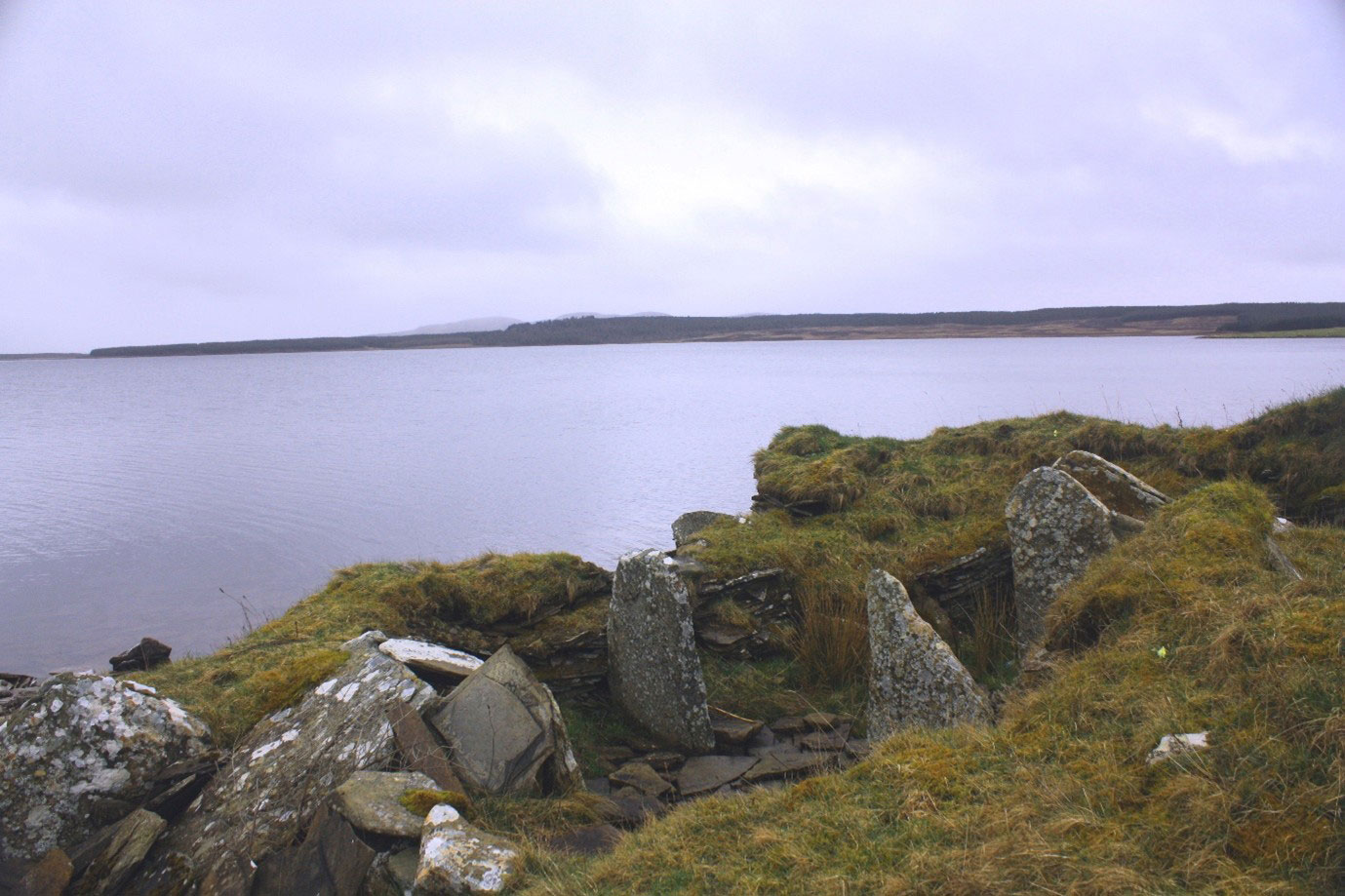
SOUTH RONALDSAY, ORKNEY—An elderly woman who lived on an island off Scotland’s northern coast some 1,800 years ago ate a diet rich in seafood throughout her life, according to a BBC News report. A team of researchers from the University of Highlands and Islands and the University of York analyzed the ratios of chemical isotopes in one of the woman’s teeth and her jawbone, which were found in a container made from a whale vertebra that had been placed against the wall of the broch, or roundhouse, at The Cairns. At the end of her life, she had few remaining teeth, and those she had left showed extensive decay, the researchers explained. It had been previously thought that she may have eaten soft marine food out of necessity, but the new analysis of the individual layers of dentine in her teeth shows that she consumed marine protein throughout her life. Further investigation will try to determine if the woman played a special role in her community, perhaps reflected in her fishy diet and the deposition of her remains in the broch, or if Iron Age Britons ate seafood more often than the few fishbones found in Iron Age middens would suggest. For more on Orkney, go to "Neolithic Europe's Remote Heart."

Tuesday, October 18

Banana Domestication More Complex Than Previously Thought

MONTPELLIER, FRANCE—Science Magazine reports that genetic studies led by Julie Sardos of the Alliance of Biodiversity International suggest that two unknown species of wild banana contributed DNA to the modern fruit. In 2020, when Nabila Yahiaoui of the French Agricultural Research Center for International Development and her colleagues compared the genomes of 24 wild and domestic bananas, they found that DNA in some of the samples did not match DNA in any of the other samples. In an attempt to track down the origins of these genes, Sardos and her colleagues sampled DNA from 68 wild banana relatives and 154 types of cultivated bananas, including 25 from Papua New Guinea, where bananas are thought to have been first domesticated. They found that “banksia,” a subspecies of the wild banana Musa acuminata, was likely the first to be cultivated in New Guinea. The genetic diversity of modern banana varieties currently grown in New Guinea indicates that early farmers continued to cross their domesticated crops with wild relatives. In addition, the analysis suggests that as-yet-unidentified wild bananas growing in Thailand and somewhere between northern Borneo and the Philippines also contributed to the modern banana. Read the original scholarly article about this research in Frontiers in Plant Science. To read about the introduction of bananas to Vanuatu 3,000 years ago, go to "Around the World: Vanuatu."

Monday, October 17

Prehistoric Plant DNA Hints at Early Human Knowledge

FRANKFURT, GERMANY—According to a statement released by the Senckenberg Research Institute and Natural History Museum, Upper Paleolithic humans processed at least 43 species of plants in a cave in southern Armenia between 40,000 and 25,000 years ago. Andrew Kandel of the University of Tübingen said that an international team of researchers extracted plant DNA from cave sediments, and found larger amounts of plant DNA during periods when humans visited the cave more frequently. They thus attribute most of the plants found to human involvement, explained Angela Bruch of the Senckenberg Research Institute and National History Museum. All but five of the plants are known to be suitable for use as medicines, food, flavoring, mosquito repellent, dyes, and fibers for sewing or making twine. Needles made from animal bone were also found in the cave, Kandel added. Read the original scholarly article about this research in Journal of Human Evolution. To read about the on-site application of X-ray fluorescence in Armenia to sort obsidian artifacts, go to "Point-and-Shoot Obsidian Analysis."

Hunter-Gatherer’s Skull Found in Taiwan

CANBERRA, AUSTRALIA—Phys.org reports that an international team of researchers including Hsiao-chun Hung of the Australian National University, Hirofumi Matsumura of Sapporo Medical University, and Lan Cuong Nguyen of the Vietnam Academy of Social Sciences has recovered stone tools and a 6,000-year-old human skull and leg bones from the Xiaoma Caves in the mountains of eastern Taiwan. Analysis of the bones suggests they belonged to a young woman who stood just over four feet tall, and resembled people of the so-called Negrito ethnic groups of the Philippines and Southeast Asia. The researchers suggest she may have been a member of an Indigenous group that perhaps disappeared before Austronesian groups began arriving in Taiwan, while noting that 15 of the 16 Austronesian groups living on the island today have legends describing small people who lived in the mountains. One group even claims to have wiped them out some 1,000 years ago. Documents dating to the Qing Dynasty also mention such a group of people. Read the original scholarly article about this research in World Archaeology. To read about a 4,000-year-old settlement recently unearthed in Kenting National Park, go to "Around the World: Taiwan."

Advertisement