Possible Use for Australia’s Ancient Boomerangs Tested
SOUTH EAST QUEENSLAND, AUSTRALIA—According to a statement released by Griffith University, a new experimental study suggests that Australia’s Indigenous communities may have used boomerangs made of hardwoods to shape the edges of stone tools. Research team member Paul Craft, a Birrunburra / Bundjalung / Yugambeh / Yuggera / Turrbal man, fashioned replica boomerangs for the study that were used to retouch the edges of replica stone tools. This generated markings that are comparable to those observed on bone retouching tools dated to more than 200,000 years ago. Researcher Eva Francesca Martellotta said that while boomerangs are primarily used as hunting and fighting weapons, they also serve other functions connected to the daily activities of Aboriginal communities. This is something that Aboriginal people have known for a very long time, she added. Read the original scholarly article about this research in PLOS ONE. For more on the many functions of boomerangs, go to "Around the World: Australia."
Food Waste Helps Date Seleucid Town’s Destruction
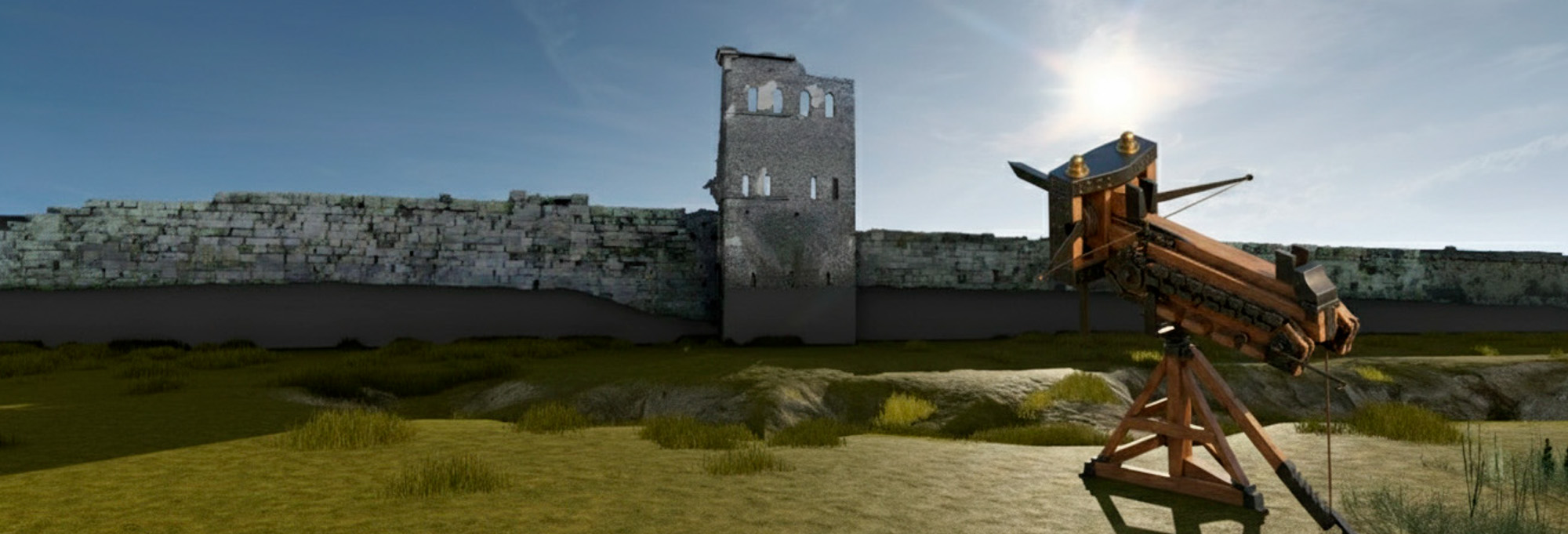
MÜNSTER, GERMANY—According to a statement released by Antiquity, Achim Lichtenberger of the University of Münster and Oren Tal of Tel Aviv University have dated the destruction of northern Israel’s Seleucid settlement of Tell Izṭabba to the spring of 107 B.C. Also known as Nysa-Scythopolis, the town was attacked by the Hasmoneans between 111 and 107 B.C. The researchers then narrowed that date to 108 or 107 B.C. through coins found in Samaria, which was under siege at the same time. Residues in chicken bones found in the dwellings at Tell Izṭabba have shown that the birds were producing eggs when they died. The researchers also discovered the shells of field snails, which were consumed in the spring, and traces of flowering plants on the dwelling floors. This information supports a written record of the Hasmonean conquest known as the Hebrew scroll of Megillat Ta’anit, or the Scroll of Fasting, which states that the inhabitants of Tell Izṭabba were expelled during the month of Sivan, Lichtenberger said. Military offenses during the Hellenistic period were usually conducted in the spring and early summer, he added. When taken together, he concluded, the evidence provides more precise information about the time of the destruction of Tell Izṭabba, and thus about the course of the Hasmonean campaign. Read the original scholarly article about this research in Antiquity. To read about a Hasmonean provincial capital in Judea, go to "Letter from the Dead Sea: Life in a Busy Oasis."
Olmec Contortionist Reliefs Uncovered in Mexico
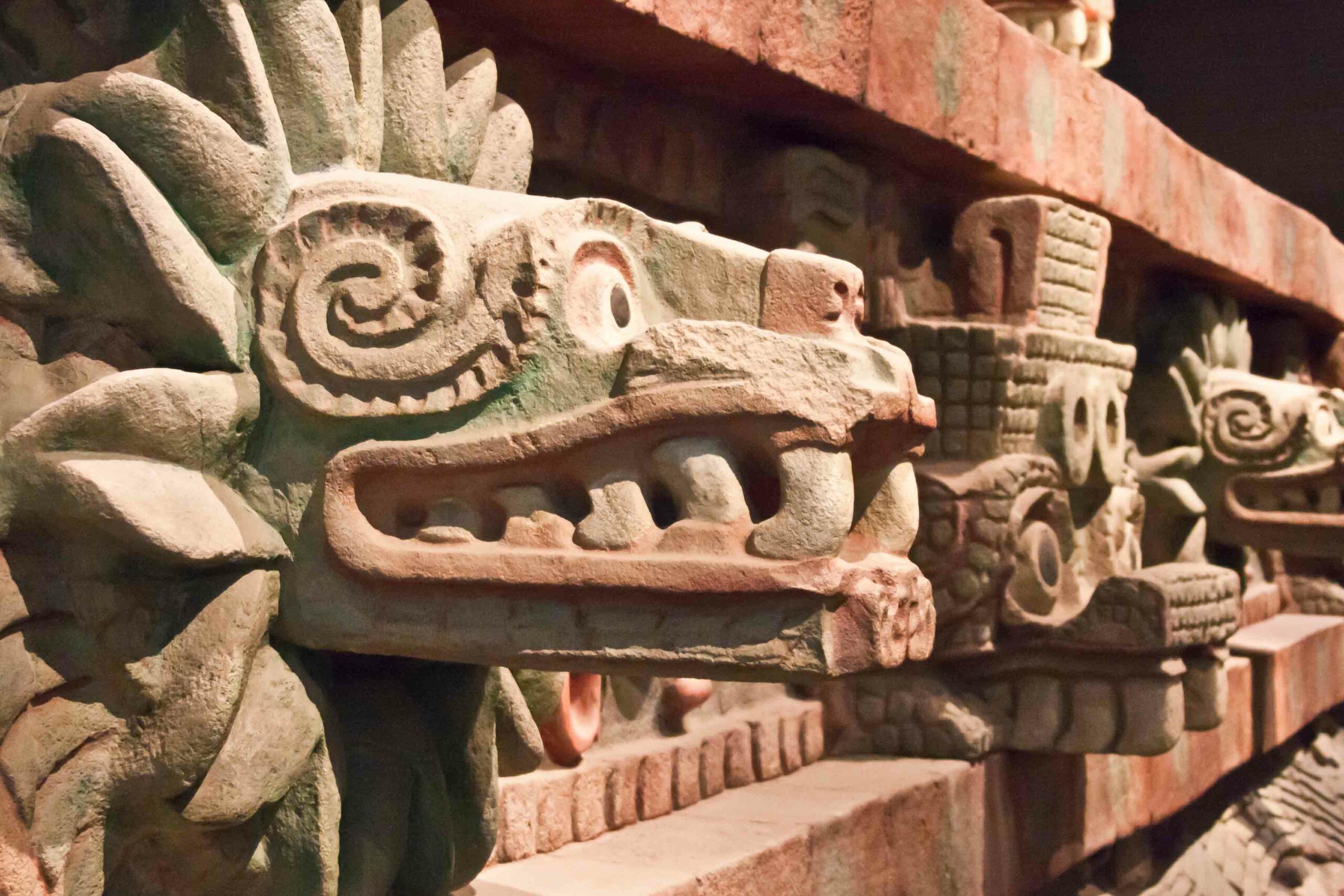
VILLAHERMOSA, MEXICO—Accoring to a Live Science report, archaeologists in the Mexican state of Tabasco have recovered two circular Olmec reliefs dating to between 900 and 400 B.C. that depict local rulers engaging in a form of ritual contortion. In these rituals, researchers say, practitioners adopted a stance or seating position that reduced oxygen flow to the brain, inducing a trancelike state. The 3-D limestone reliefs, which each measure some four-and-one-half feet in diameter and weigh more than 1,500 pounds, show the rulers grimacing with their mouths open and their arms crossed. In both reliefs, they are surrounded by Olmec motifs associated with elite rulership, maize, and jaguars. The reliefs were initially discovered on private land in 2019 near the town of Tenosique in the southern part of Tabasco and, according to researchers from Mexico's National Institute of Anthropology and History (INAH) who were among scholars called in to analyze them, they are similar to contemporaneous examples found elsewhere in the region. Archaeologist Tomás Pérez Suárez of the Center for Mayan Studies at the National Autonomous University of Mexico said that Olmec people of the period are thought to have believed that participating in contortion rituals that led to trancelike states left participants with special powers. To read about the Olmec city of Tres Zapotes, go to "Kings of Cooperation."
Cache of Ancient Knucklebones Discovered in Israel
JERUSALEM, ISRAEL—Haaretz reports that researchers discovered more than 500 Hellenistic-period astragali, or animal knucklebones, in artificial caves beneath southern Israel's ancient city of Maresha. Astragali were typically fashioned from the bones of sheep, goats, and cattle, and were often used in games similarly to dice. Some of the knucklebones found at Maresha, which date to around 2,300 years ago, bear game-related markings and roles such as "thief," while others were inscribed in Greek with the names of deities associated with desire and wishes, such as Aphrodite, Hera, Hermes, and Eros. Many of the latter were discovered next to ostracons with magical incantations and curses in Aramaic. “During the Roman and Hellenistic period, astragali were used a lot in divination, at Maresha as well. This amount is extraordinary—especially ones with writing, names of gods and goddesses, found in the context of ostracons of prophecy,” said zooarchaeologist Lee Perry-Gal of the Israel Antiquities Authority. To read about dice and gaming pieces recovered from Roman public baths, go to "Oops! Down the Drain."
Heat Wave Reveals 17th-Century English Gardens
WILTSHIRE, ENGLAND—Recent extreme heat and drought has revealed traces of past garden design at an Elizabethan-era house in Wiltshire, according to a report from BBC News. Aerial images captured by drone show how the estate’s gardens would have appeared some four centuries ago. Details of the gardens, which covered 70 acres, include outlines of pathway fountains, walls, and statues, as well as a maze and a bowling green. The earliest visible features are parts of the walled gardens in front of Longleat House, which were painted by the Flemish landscape artist Jan Siberechts in 1675. “It is fascinating to be able to see these ‘ghost’ gardens and other features literally appearing out of the ground around the house,” says Longleat House curator James Ford. “These parch marks, that will entirely disappear again when the rain and cooler weather return, provide us with an invaluable window into a lost world and an opportunity to accurately plot the design and layout of these important elements of Longleat's history.” As was the case at many other English estates, Longleat’s formal gardens were turned into naturalistic parkland in the eighteenth century by landscape gardener Lancelot “Capability” Brown. To read about normally hidden features in the United Kingdom and Ireland that were revealed during a 2018 heat wave, go to “The Marks of Time.”
Copper Age Gold Rings Unearthed in Romania
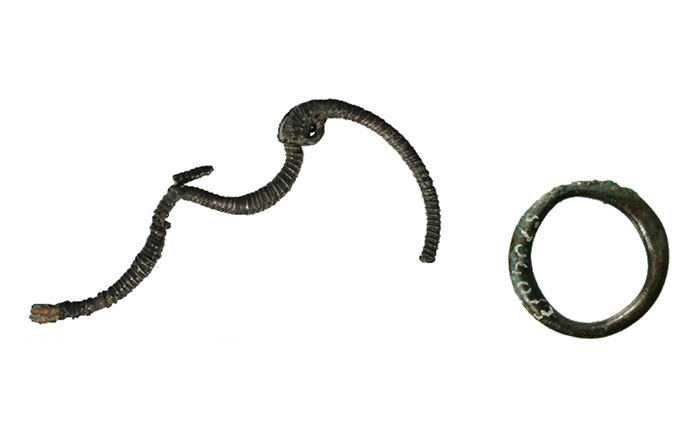
ORADEA, ROMANIA—Artnet News reports that a team of archaeologists led by Călin Ghemiș of the Ţării Crişurilor Museum have recovered 169 gold rings from a Copper Age grave at a site in western Romania. The researchers think the rings would have decorated the hair of the deceased woman, who may have been a member of the Tiszapolgár culture that inhabited Eastern and Central Europe from around 4500 to 4000 B.C. Other artifacts in her burial included a copper spiral bracelet and some 800 mother-of-pearl beads. “The gold hoard is a sensational find for the period, considering that all the gold pieces from the Carpathian Basin total around 150 pieces," Ghemis said. "Well, here there are over 160 in just one inventory." To read about fifth-millennium B.C. statuettes unearthed in northeastern Romania whose lined decorations may represent body modification, go to "Ancient Tattoos: Ceramic Female Figurine."
Reconstruction Offers a Glimpse of the Face of “Penang Woman”
GEORGE TOWN, MALAYSIA—The New Straits Times reports that researchers from the University of Science, Malaysia, and Brazilian 3-D graphics expert Cicero Moraes, have reconstructed the face of “Penang Woman” using information obtained from a CT scan of her 5,000-year-old remains. The bones, along with pottery and stone tools, were discovered in 2017 in a shell midden at the Neolithic site of Guar Kepah, which is located on the northwestern coast of peninsular Malaysia. A total of 41 skeletons have been found in the shell middens at the site since 1851. The researchers suggest that additional study of the remains could provide clues to the origins of Malaysia’s Neolithic population. To read about archaeology in the Malaysian jungle, go to "Letter from Borneo: The Landscape of Memory."
Advertisement