Subscribe to Archaeology
Archaeological Headlines By JESSICA E. SARACENI
Thursday, July 28

Neolithic Tomb Linked to King Arthur Investigated in England

HEREFORDSHIRE, ENGLAND—The Guardian reports that archaeologists from the University of Manchester and English Heritage are excavating Arthur's Stone, a 5,000-year-old Neolithic-era burial chamber in the Welsh borderlands of western England. The tomb is a so-called chamber tomb formed by nine upright stone slabs and a large captstone that has been estimated to weigh more than 27 tons. The tomb has been linked to King Arthur since the medieval period. According to legend, Arthur slew a giant who left an impression of his elbow in one of the stones as he fell. In addition to uncovering what looks like a series of stone steps leading up to the tomb, the team has also discovered tools used by early farmers who may have built the monument. The team also employed drones to search for other Neolithic-era burial monuments and sites in the area that may have been related to Arthur's Stone. Archaeologist Julian Thomas of the University of Manchester believes that the contemporaneous Neolithic enclosed settlement of Dorstone Hill—which lies just one mile away—was related, and that Arthur's Stone may have been a meeting place for people in the area. To read more about the archaeology of Neolithic Britain, go to "Epic Proportions."

Furs from Danish Viking Burials Analyzed

COPENHAGEN, DENMARK—A new study of animal furs recovered from tenth-century elite graves in Denmark indicates that the Vikings regarded beaver fur as a symbol of wealth and status, according to a statement released by the Public Library of Science. Although written sources emphasize that fur was an important trade item during the Viking Age, remnants of animal hides rarely survive in the archaeological record. Archaeologist Luise Ørsted Brandt of the University of Copenhagen and her colleagues analyzed proteins extracted from animal furs found in six burials. Some of the accessories and furnishings from these graves were produced from the hides of local domesticated animals. On items of clothing, they identified furs from wild beavers, squirrels, and weasels. Because beavers are not native to Denmark, the researchers suggest that their furs would have been luxury commodities procured through trade. Read the original scholarly article about this research in PLOS ONE. To read about a study of ceramic molds unearthed in Denmark used to make bronze figurines of female Vikings clad in armor, go to "Viking Roles."

Wednesday, July 27

Evidence of Third-Century A.D. Tsunami Uncovered in Spain

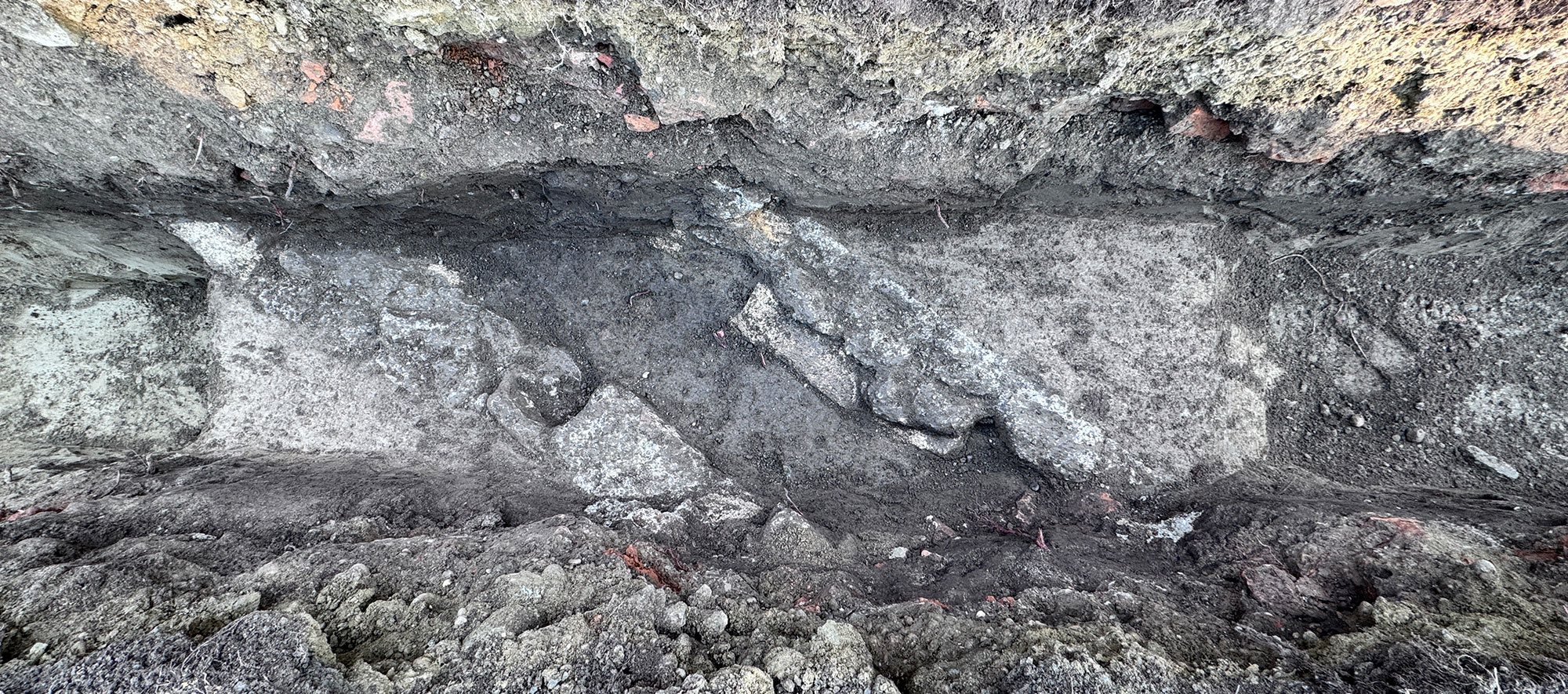
SEVILLE, SPAIN—According to a report in El País, excavations of a public building from the Roman-era port of Hispalis—now modern Seville—suggest that sometime between the years A.D. 197 and 225, a massive tsunami that began in the Bay of Cadiz landed in southern Spain, destroying coastal settlements and overwhelming everything in its path. The ensuing flooding reached Seville, located more than 25 miles inland at the time, where it caused the collapse of a commercial warehouse located in the city's outskirts. The site of the building, which is thought to have been in some way related to Hispalis's booming export trade in foodstuffs such as olive oil, is now located in the Patio de Banderas, a public square adjacent to Seville's main cathedral. Archaeologists excavating the Patio de Banderas between 2009 and 2014 uncovered evidence for urban occupation from between the ninth century B.C. and the thirteenth century A.D., but singled out the Roman-era commercial building, which was organized around a central courtyard and featured a gallery of columns at its southern end. Analyzing the ruins, they concluded that the structure had been renovated and repaired multiple times during the first century A.D. Especially during the early third century A.D., it appeared to have suffered widespread damage. Using a multidisciplinary method, including radiocarbon dating, micromorphology, micropaleontology, and mass spectrometry, the team identified deposits consisting of sand, silt, and shell, materials that they believe must have been transported to the site and trapped there by the violent tsunami event. To read about the importance of Spain's silver mines to the Roman economy, go to "Spain's Silver Boom."

Ice Age Footprints Excavated in Utah

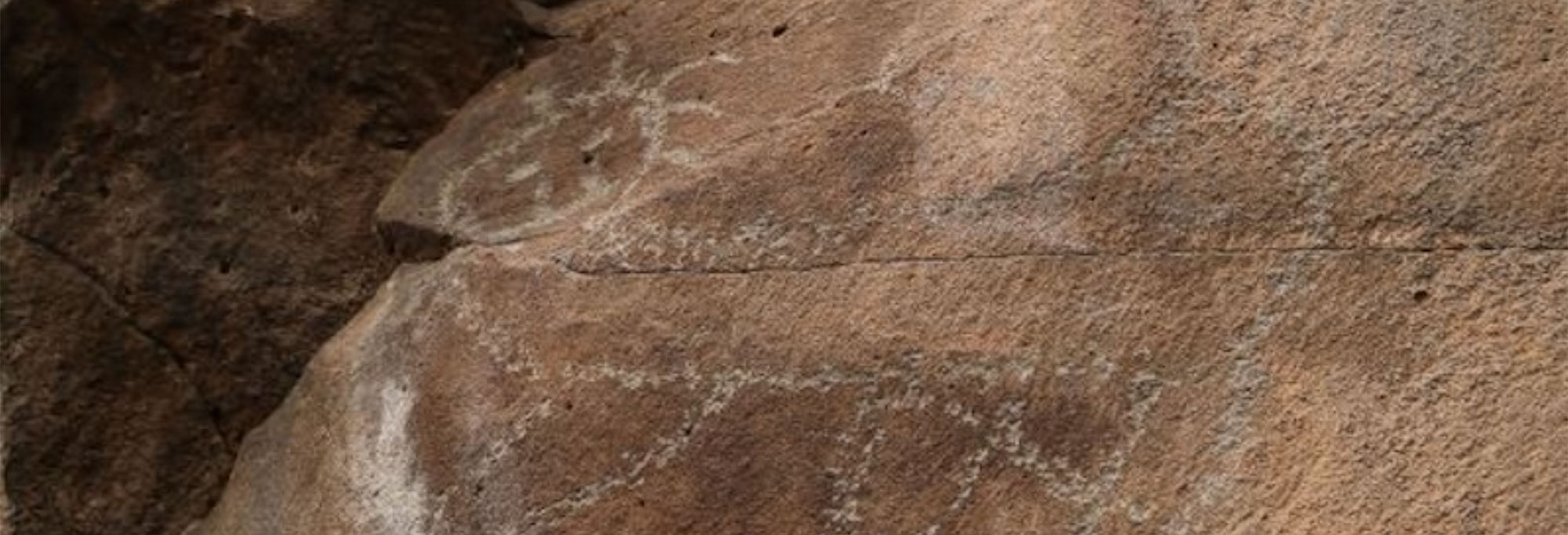
ITHACA, NEW YORK—According to a statement released by Cornell University, a team of researchers led by Daron Duke of Far Western Anthropological Research Group has identified 88 human footprints dating to the Ice Age on the salt flats of the Air Force’s Utah Testing and Training Range. After spotting two visible trackways, the archaeologists used ground-penetrating radar to reveal many more "ghost tracks," some of which they excavated. Duke said that these excavated prints belonged to barefoot adults and children between the ages of five and 12. They had walked through shallow water, and layers of mud beneath the sand preserved their prints intact. Because there have not been wetland conditions in this part of the Great Salt Lake Desert in at least 10,000 years, Duke said, the researchers believe the footprints may be more than 12,000 years old. To read about the oldest known fossilized footprints in the Americas that were recently unearthed in the New Mexico desert, go to "Ghost Tracks of White Sands." 

Villa Discovered In Jerusalem's Jewish Quarter

JERUSALEM, ISRAEL—The Associated Press reports that a first-century A.D. villa was discovered in Jerusalem during rescue excavations that preceded construction of an elevator that will increase access from the city's Jewish Quarter to the Western Wall. Hebrew University of Jerusalem archaeologists Oren Gutfeld and Michal Haber unearthed fragments of mosaics and ornate wall paintings that adorned the house, which also had a vaulted mikveh, or Jewish ritual bath, carved into the mountainside. They also found artifacts spanning a 2,000-year period of Jerusalem's history, including Islamic oil lamps, Ottoman pipes built into an ancient aqueduct, and bricks bearing the stamp of the Roman army's Tenth Legion that besieged and destroyed the city in A.D. 70. In the mid-second century A.D., the Romans rebuilt the ruined city as the colony of Aelia Capitolina. “This plot of land where the elevator is going to be built remained undisturbed, giving us the great opportunity of digging through all the strata, all the layers of ancient Jerusalem,” Haber said. To read about a Roman-era building excavated at the Western Wall, go to "Front Row Seats."

Tuesday, July 26

Abandoned Metalworking Site Found in Scotland

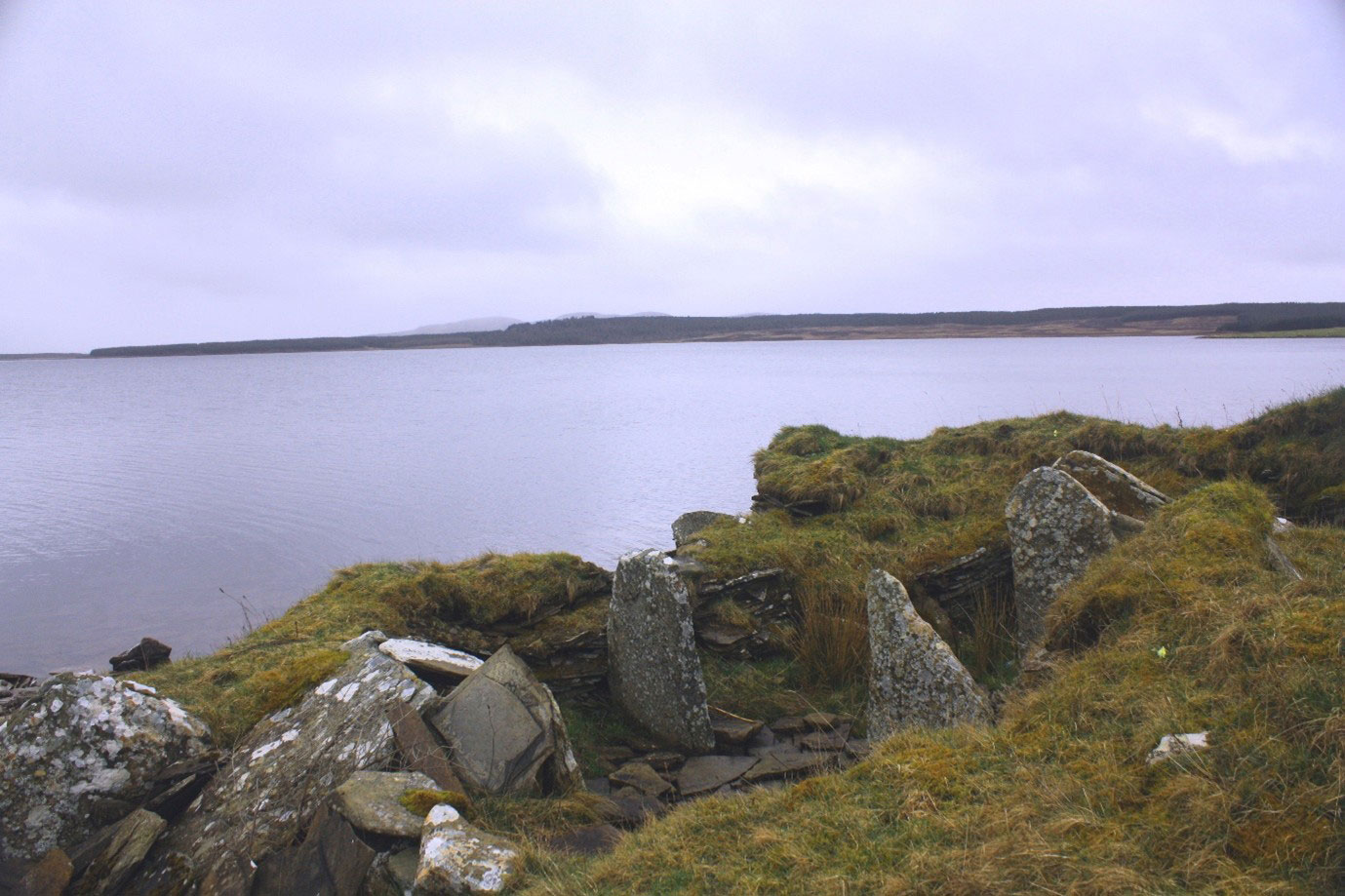
MORAY, SCOTLAND—According to a BBC News report, a team led by archaeologist Clive Waddington is excavating a metalworking site in northeastern Scotland near Lochinver Quarry thought to have been in use for some 2,000 years before it was abandoned. The structures surrounding the metalworking area had been burned, and two cauldrons buried, perhaps in an effort to hide valuable items, Waddington explained. “We have got these burnt timbers and abandoned pits for making charcoal,” he said. “We have got pits with roasted ore—a valuable commodity—ready for smelting but just abandoned,” he added. Waddington suggests that Caledonians could have made weapons at the site, and the invading Roman army may have destroyed it after their victory at the Battle of Mons Grapius around A.D. 83. To read about northern warriors who resisted the Romans, go to "Letter from Scotland: Land of the Picts."

New Thoughts on Cahokia’s Ancient Wetlands

CHAMPAIGN, ILLINOIS—According to a statement released by the University of Illinois at Urbana-Champaign, one of the flat zones surrounding Monks Mound, a giant earthwork in the ancient city of Cahokia, may have been under water throughout most of the year. It had been previously thought the rectangular area had been used as open, communal space. Geoarchaeologist Caitlin Rankin explained that the city, built around A.D. 1050, rests on a floodplain below the confluence of the Mississippi and Illinois rivers. The north plaza, she added, is in an old meander scar of the Mississippi River, at a very low elevation. Rankin extracted sediment cores from the north plaza, and compared the carbon isotopes left behind by growing plants with the carbon isotopes in soil samples from wetlands, seasonal wetlands, and prairies in the region. The study suggests that the area was a wetland, although there may have been some seasonal dryness, Rankin said. To read about another discovery from Cahokia, go to "Breaking Cahokia's Glass Ceiling." 

Advertisement