Subscribe to Archaeology
Archaeological Headlines By JESSICA E. SARACENI
Wednesday, July 6

Site of Scotland’s First Legal Distillery Examined

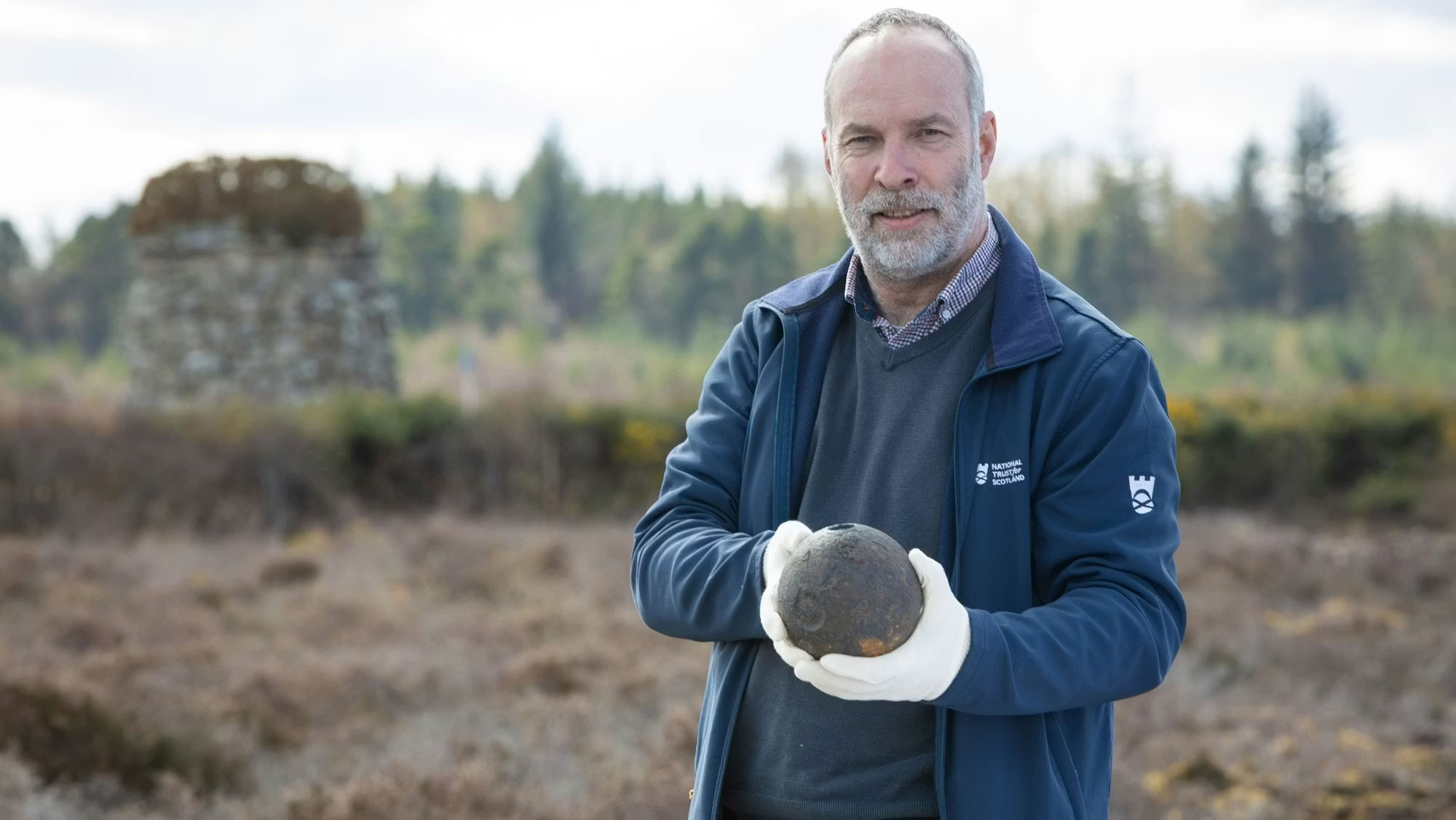
SPEYSIDE, SCOTLAND—The Scotsman reports that archaeologists from the National Trust for Scotland, who have been studying illegal still sites in the Scottish Highlands, are now investigating the site of a distillery where farmer George Smith began producing legal whisky in 1824. To do so, he paid a licensing fee under the 1823 Excise Act, and a set payment per gallon of spirit he produced. “The distillery we are working on here is a nice bridge between the small-scale illicit distilling and large-scale industrial production,” explained archaeologist Derek Alexander. So far, the excavation has uncovered a piece of an exciseman’s padlock and pieces of a barrel. “We have also found the outline of the fireplaces where the stills were sitting,” Alexander said. The researchers have uncovered waste products of the distillation process, and hope to find evidence of grain drying. Smith’s operation eventually outgrew the site and moved in 1859 about a half-mile away to take advantage of a better supply of running water to power the machinery necessary to produce Glenlivet on an industrial scale. For more about the site's discovery, go to "Around the World: Scotland."

Sassanid Fire Temple Discovered in Iran

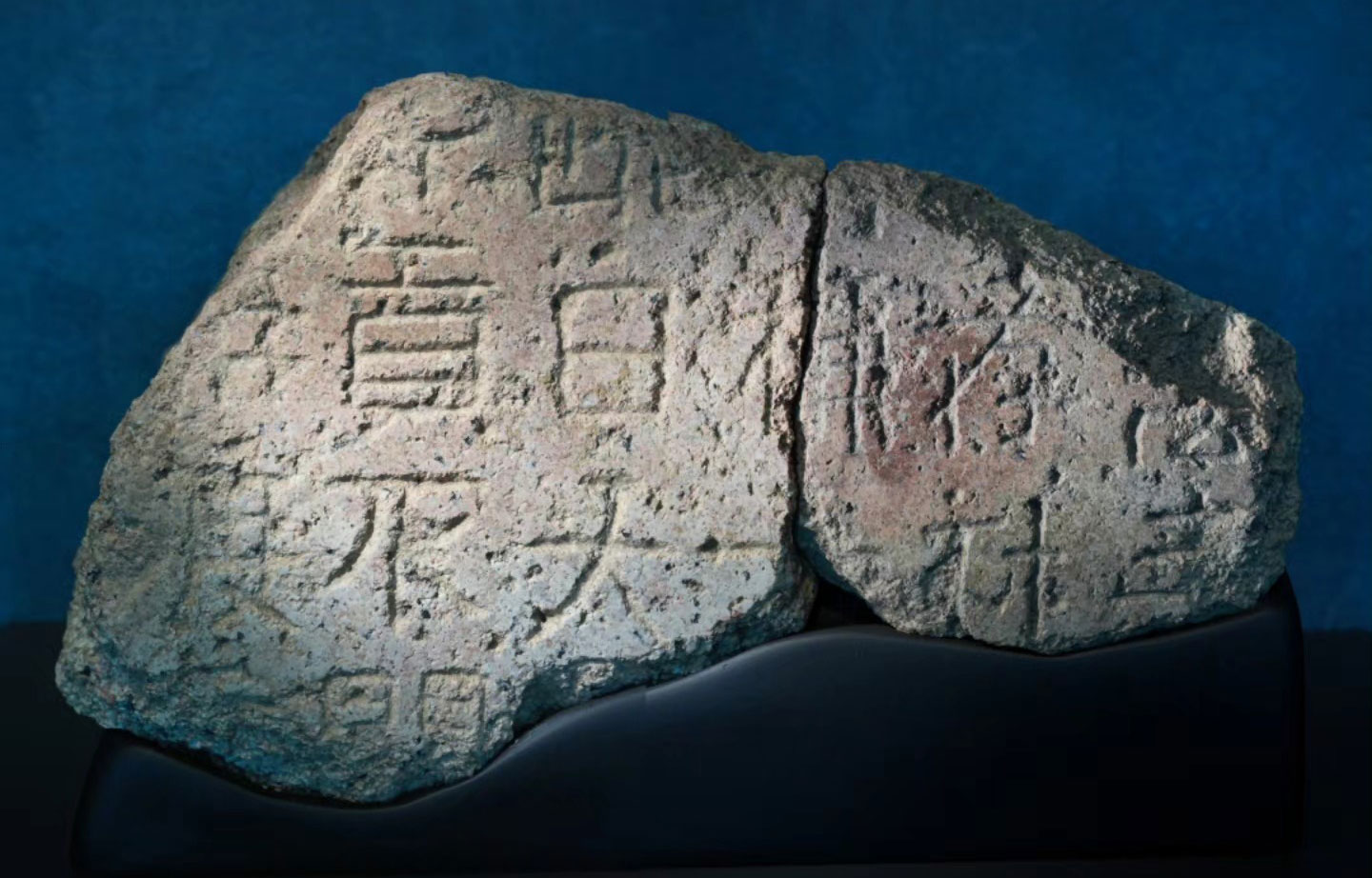
TEHRAN, IRAN—The Tehran Times reports that traces of a fire temple have been unearthed at the site of Bazeh Hur in northeastern Iran. Archaeologist Meysam Labbaf-Khaniki said that the temple has been dated to the period of the Sassanid Empire, from about A.D. 224 to 651, and appears to be the third largest fire temple in Iran. Researchers have found engraved plasterwork, inscriptions in Pahlavi, and columns that supported the temple’s main hall. Scholars are now working to categorize and arrange the inscriptions so that they can be deciphered, Labbaf-Khankiki concluded. To read about an ancient city in southern Turkey that the Sassanids attacked in A.D. 253, go to "Zeugma After the Flood."

Pre-Roman Settlement Excavated in Southern England

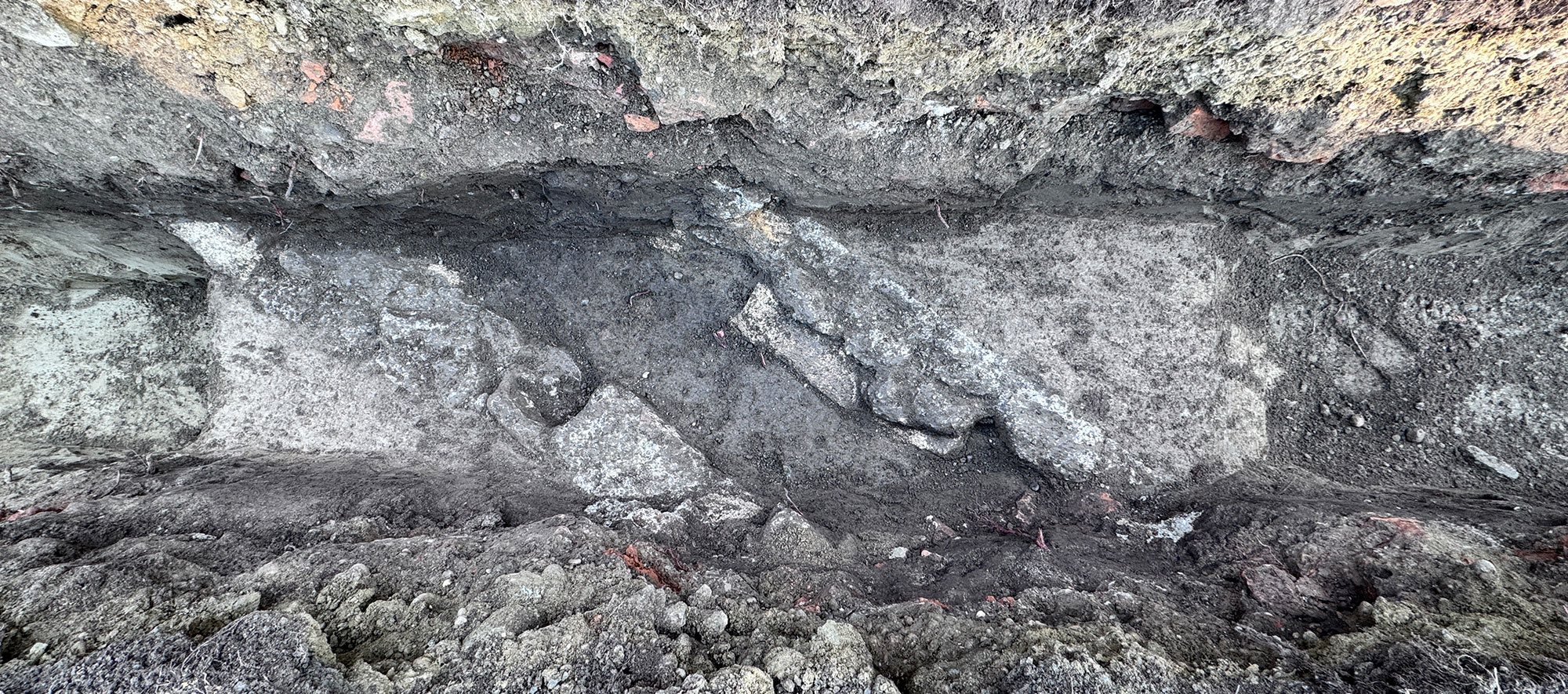
DORSET, ENGLAND—According to a statement released by Bournemouth University, the remains of people placed in crouched positions in oval-shaped pits have been uncovered at a settlement site in southwestern England dated to about 100 B.C. Such storage pits were usually filled with grain in Iron Age Britain, while the dead were cremated or placed in rivers, explained archaeologist Miles Russell. Animal parts in the burials suggest the dead had been buried with joints of meat, while pottery in the burials is thought to have held drinks. The amount of meat in the pits, Russell added, would have been enough to feed the settlement’s residents for weeks. Sometimes the animal parts were mixed—for example, a cow’s head had been placed on the body of a sheep, he explained. Analysis of the graves could offer insights into the inhabitants’ belief systems, he said. Samples of the human bones will be analyzed before they are returned to the ground. To read about Dorset's famous Cerne Abbas Giant chalk figure, go to "Man of the Moment."

Tuesday, July 5

Historic Tomahawk Returned to Ponca Tribes

BOSTON, MASSACHUSETTS— The Associated Press reports that Harvard University has repatriated tomahawk once owned by Chief Standing Bear to members of the Ponca tribes of Nebraska and Oklahoma. Standing Bear was arrested in 1878 for leaving a reservation in Oklahoma in order to fulfill a promise and bury his son in traditional lands in Nebraska’s Niobrara River Valley. In a federal trial in 1879, Standing Bear successfully argued for the recognition of Native Americans as persons entitled to rights and protection under the law. He subsequently gave the tomahawk to one of his lawyers. The university acquired the tomahawk in 1982. “We talk about generational trauma, but we don’t talk about generational healing, and that’s what we’re doing now,” said Stacy Laravie, who is a descendant of Standing Bear and the historic preservation officer for the Ponca Tribe of Nebraska. “This is healing.” To read about efforts to compile U.S. archaeological radiocarbon dates, the first of which was obtained in 1949 in Nebraska, go to "Save the Dates."

Norway’s Medieval Monks Discussed Their Meals in Silence

OSLO, NORWAY—Science Norway reports that archaeologist Marianne Vedeler of Oslo’s Museum of Cultural History and her colleagues have examined the dining practices of a group of twelfth-century English Cistercian monks who established a monastery on the island of Hovedøya, which is located off the coast of Oslo in the Oslofjord. “The rules were written down, so we know a lot about how these monks lived in the Middle Ages,” Vedeler said. The Christian monks sat side by side when eating, in order to avoid conversation, and developed a sign language to keep this rule of silence. Vedeler has analyzed food remains uncovered at the ruins of the monastery and found that the monks sustained themselves through fishing and growing fruits and vegetables. They also constructed a fish farm on the island where they kept freshwater fish. Seven species of fish, including squid, eel, and fast-swimming pike, had their own signs, added Kirk Ambrose of the University of Colorado Boulder, in addition to signs for other foods such as honey, beans and eggs. Cistercian monks continue to use some of the signs today, Ambrose concluded. To read about an unusual community of French Cistercian monks in the thirteenth century, go to "World Roundup: Ireland."

Researchers Examine Neolithic Grave Goods in the Netherlands

LEIDEN, THE NETHERLANDS—According to a statement released by the University of Leiden, a new analysis of skeletal remains and grave goods recovered from 7,000-year-old burials at the Elsloo grave field, a Neolithic cemetery in the southern Netherlands excavated in the 1960s, suggests that male-female gender roles were less defined than previously thought. Luc Amkreutz of the National Museum of Antiquities and Leiden University said that arrowheads and stone axes, although traditionally attributed to men, were frequently found in women’s graves. Amkreutz and his colleagues also noted that the graves of the elderly, especially those of elderly women, were richly furnished with heavily used goods including items related to hunting, food preparation, woodworking, and body decoration. Many of the dead in these burials had also been sprinkled with red ochre, he added. To read about upended gender norms in the Viking Age, go to "Viking Roles."

Friday, July 1

Bronze Age Ax Uncovered in Slovakia

SKALICA, SLOVAKIA—The Slovak Spectator reports that a metal ax head dated to the early Bronze Age has been unearthed at an unnamed archaeological site in western Slovakia by researchers from the Monuments Board of Trnava. The ax measures nearly four inches long, with an enlarged fan-shaped cutting edge, while the opposite end is pointed. The sides have shallow grooves where it had been hafted to a handle. To read about the largest Bronze Age hoard discovered in London, which includes axes and other tools, go to "Tool Time."

Jar Residues Reveal Roman Winemaking Practices

AVIGNON, FRANCE—Artnet News reports that chemist Louise Chassouant of Avignon University and her colleagues analyzed samples taken from three 1,500-year-old wine amphoras recovered from a shipwreck site off Italy’s western coast. The study detected the plant tissues, pollen, grape derivatives for red and white wine, and pine tar in the residues. The tar may have coated the interior of the jars in order to waterproof them and add flavor to the wine, Chassouant explained. Analysis of the pollen samples suggests the plants were grown locally, along Italy’s western coastline, while the pine tar was likely imported from Calabria or Sicily, based on historical sources. Read the original scholarly article about this research in PLOS ONE. For more on winemaking in the ancient world, go to "Alcohol Through the Ages."

Medieval Prayer Beads Discovered on England’s Holy Island

LINDISFARNE, ENGLAND—The Telegraph reports that prayer beads have been uncovered at Lindisfarne, an island off the coast of northeast England known as a center of Christianity as early as the seventh century A.D. The beads, made from salmon vertebrae in the eighth or ninth century, were found clustered around the neck of the remains of a man thought to have been a monk. “We think of the grand ceremonial side of early medieval life in the monasteries and great works like the Lindisfarne Gospels,” said David Petts of Durham University. “But what we’ve got here is something which talks to a much more personal side of early Christianity.” Lisa Westcott Wilkins of DigVentures added that the modified fish bones are the only artifact found to date in a grave on the so-called Holy Island. To read about a coastal castle near Lindisfarne, go to "Letter from England: Stronghold of the Kings in the North."

Advertisement