Subscribe to Archaeology
Archaeological Headlines By JESSICA E. SARACENI
Monday, June 13

Remains of Thousands of Iron Age Frogs Uncovered in England

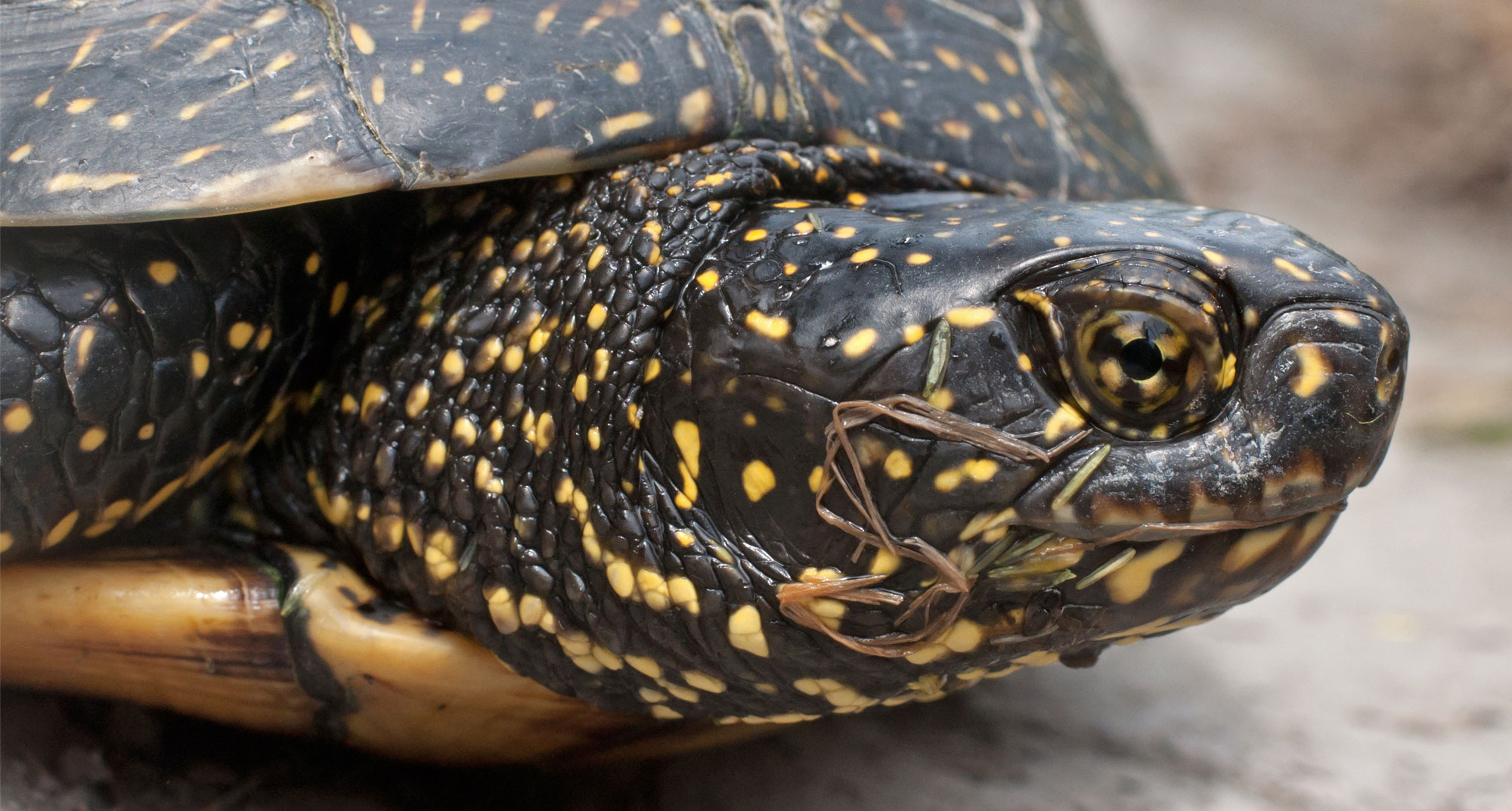
CAMBRIDGE, ENGLAND—The Guardian reports that more than 8,000 frog bones were found in a ditch near a roundhouse at Bar Hill, an Iron Age settlement site in the East of England, by researchers from the Museum of London Archaeology Headland Infrastructure who were investigating the area ahead of a highway construction project. “In my experience, mainly working on sites from London, we don’t get that many frogs,” commented zooarchaeologist Vicki Ewens. “To have so many bones coming from one ditch is extraordinary.” The bones belonged to common frogs, common toads, and possible bones of the pool frog, she explained. The bones do not bear cut or burn marks, but if they had been boiled for consumption, the bones may not have been marked, she continued. Otherwise, the frogs may have been drawn to the site by insects feeding on the crops that were processed there, they may have been looking for a body of water during the breeding season and been trapped in the ditch, or they may have succumbed to a severe winter or disease, Ewens concluded. For more on the history of frog consumption in England, go to "World Roundup: England."

17th-Century British Shipwreck Found in International Waters

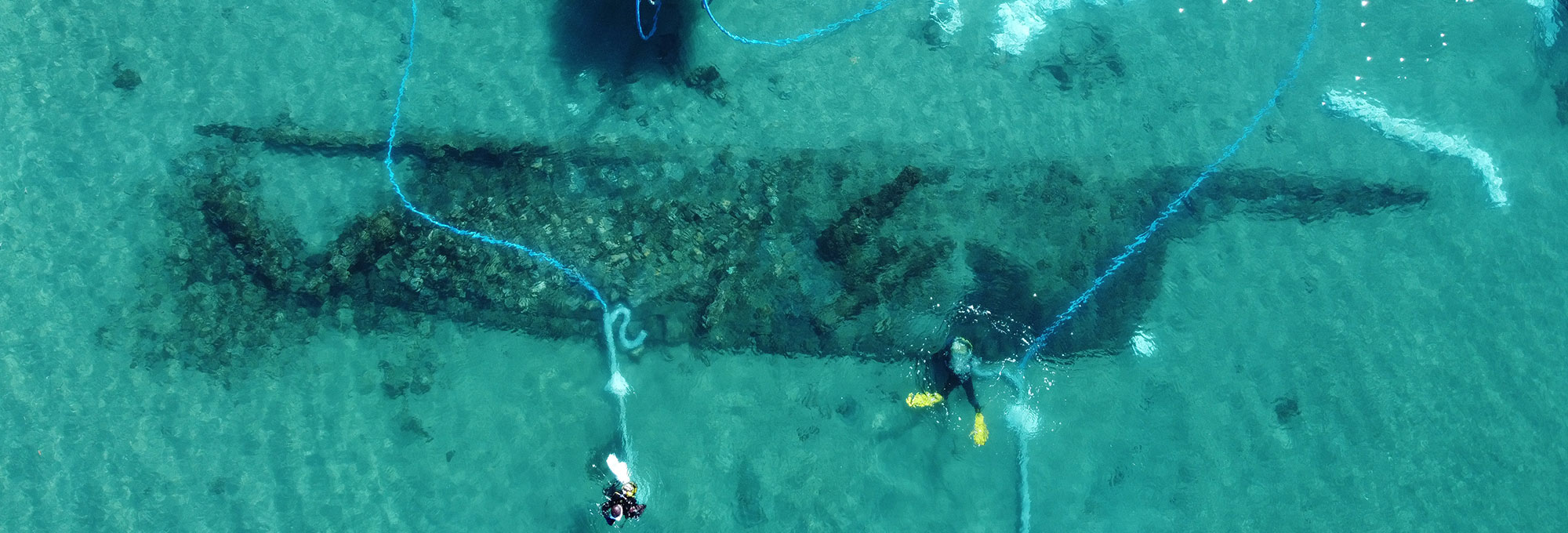
NORWICH, ENGLAND—According to a BBC News report, researchers from the University of East Anglia announced the discovery of the wreckage of The Gloucester some 15 years ago by recreational divers who had been searching for it about 28 miles off the coast of Great Yarmouth, Norfolk. Launched in 1654, the ship was equipped with 54 guns and a crew of 280. In 1682, the vessel was transporting the Duke of York from Portsmouth to Edinburgh, where he was to conduct business with the Scottish Parliament as the heir to his older brother, King Charles II, when it ran aground while trying to navigate treacherous sandbanks in a gale. The duke escaped, but an estimated 130 to 250 crew members and passengers are thought to have died when the ship sank. The Duke of York, a Catholic, became King James II of England and King James VII of Scotland on his brother’s death in 1685, but he was deposed in the Glorious Revolution of 1688 and replaced by his Protestant daughter Mary and her husband, William III of Orange. The shipwreck site included remains of the hull submerged in sand, a cannon, the ship’s bell, a pair of eyeglasses in a case, clothing, shoes, navigational equipment, unopened wine bottles, and animal bones. To read about a new study of the remains of some of the crew of the wreck of the Mary Rose, go to "Tudor Travelers."

Friday, June 10

New Thoughts on Southern Africa’s Prehistoric Tool Shapes

SYDNEY, AUSTRALIA—According to a statement released by the University of Sydney, populations of early humans living in southern Africa some 65,000 years ago shared information with each other. An international team of researchers led by Amy Way found that tools known as Howiesons Poort blades, which were used for cutting wood, plants, bone, skin, feathers, flesh, and in hunting technology, were all made in a similar shape across the different environments of the region. Way and her colleagues suggest this similarity was brought about by communication and cooperation between various groups of people. Such social connections may have even assisted the large migration out of Africa some 60,000 years ago, Way postulated. Team member Paloma de la Peña of Cambridge University added that tool shape may have also been influenced by changes in climate across southern Africa that occurred at the time. Read the original scholarly article about this research in Scientific Reports. To read about the discovery of possible intentional burials made by Homo naledi in South Africa's Rising Star cave system, go to "Cradle of the Graves."

Remains of Possible Early Muslims Identified in Syria

UPPSALA, SWEDEN—According to a statement released by Uppsala University, archaeogeneticist Cristina Valdiosera of the University of Burgos and her colleagues recently attempted to extract DNA from the remains of 14 people unearthed at Syria’s Neolithic site of Tell Qarassa more than 10 years ago. DNA was only preserved in two of the sets of remains, which were radiocarbon dated to the late seventh and early eighth centuries of the Umayyad era. The scientists then reassessed the burials, and found that they were consistent with early Muslim burial practices. Megha Srigyan of Uppsala University said that the genetic analysis indicates that the genomes of the two people were more similar to modern Bedouins and Saudis than people who live in the Levant today. The data, when taken together, suggests that the man and woman may have been members of a traveling group of early Muslims, population geneticist Torsten Günther of Uppsala University concluded. Read the original scholarly article about this research in Communications Biology. To read about a funerary wand from Tell Qarassa that dates to the late ninth millennium B.C., go to "Artifact."

Thursday, June 9

Researchers Return to Medieval Monastery in Northern Greece

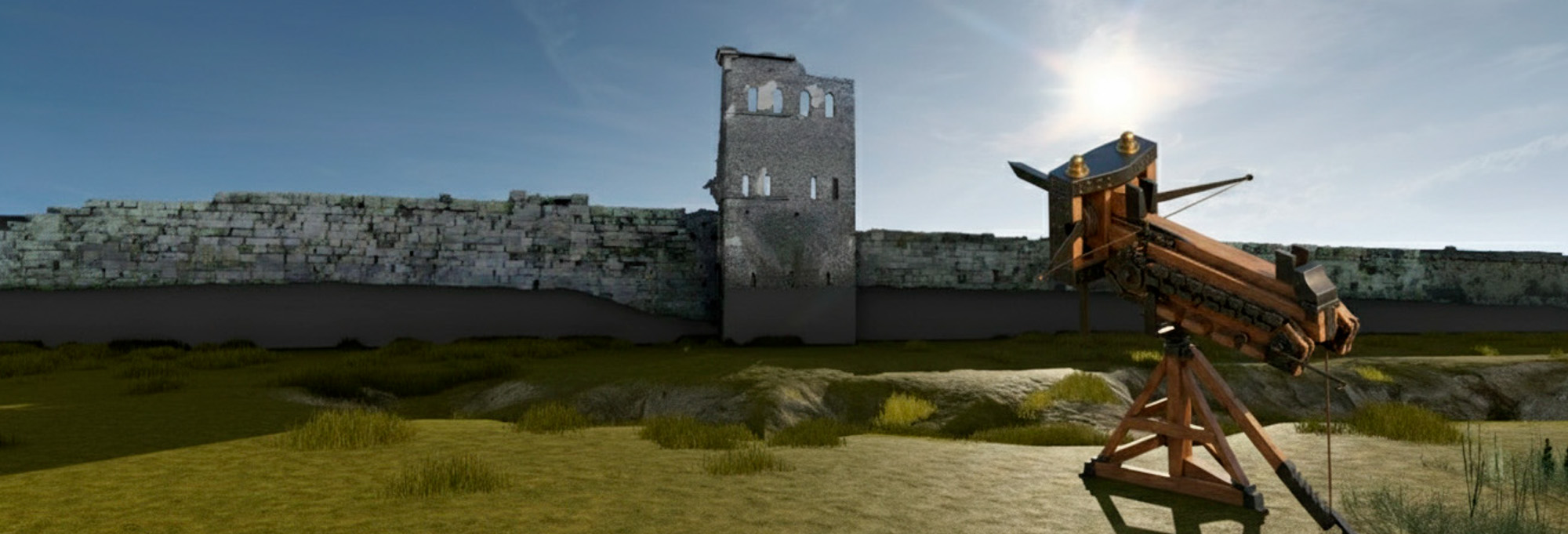
CHALCIDICE, GREECE—A medieval Christian monastery located on the coast of northern Greece was once surrounded by a wall of granite rocks standing about six feet tall, according to a Live Science report. The excavation of the site is being conducted by a team of researchers led by Theodoros Dogas of the Ephorate of Antiquities of Chalcidice and Mount Athos. Team member Errikos Maniotis of Masaryk University explained that a rare medieval saber was discovered at the site about 20 years ago. He thinks the one-edged curved iron weapon could have been lost by raiding Turkish pirates or the monastery’s Byzantine defenders in the fourteenth century. “They both used similar weapons in this period,” he said. The monastery may have been used as a refuge by local people during military events and as a safe place to store grain. Seeds have been found in the lower levels of a tower at the site, Dogas added, along with weapons such as axes, arrowheads, and the saber. Evidence of a fire indicates that the tower was damaged in the second half of the fourteenth century or the beginning of the fifteenth century, he concluded. To read more about Byzantine archaeology, go to "Shipping Stone."

Study Suggests Chickens Were Domesticated 3,500 Years Ago

MUNICH, GERMANY—“Cereal cultivation may have acted as a catalyst for chicken domestication,” zooarchaeologist Joris Peters of Ludwig Maximilian University said in a Science News report. Peters and his colleagues, including bioarchiologist Julia Best of Cardiff University, examined Gallus gallus domesticus bones recovered from more than 600 archaeological sites in 89 countries. The earliest known chicken remains, dated to between 1650 and 1250 B.C., have been identified at Ban Non Wat, a site in central Thailand where rice was planted on upland soil soaked by seasonal rains. The rice fields are thought to have attracted wild red jungle fowl who then came in contact with humans. Partial skeletons and remains of whole early chickens have been found in human burials at Ban Non Wat and other Southeast Asian sites, indicating that they may have held social or cultural significance, Peters added. Domesticated chickens are then thought to have arrived in central China, Iran, and Iraq about 3,000 years ago, Europe some 2,800 years ago, and Africa between 1,100 and 800 years ago. Previous studies had suggested that chickens arrived in Eurasia and Africa several thousand years earlier, but the new study indicates that the bones may have settled into lower sediment layers over time, throwing off attempts to date them. For more on the domestication of chickens, go to "Fast Food."

Advertisement