Subscribe to Archaeology
Archaeological Headlines By JESSICA E. SARACENI
Friday, June 3

Researchers Track Changes in Size of Europe’s Dogs

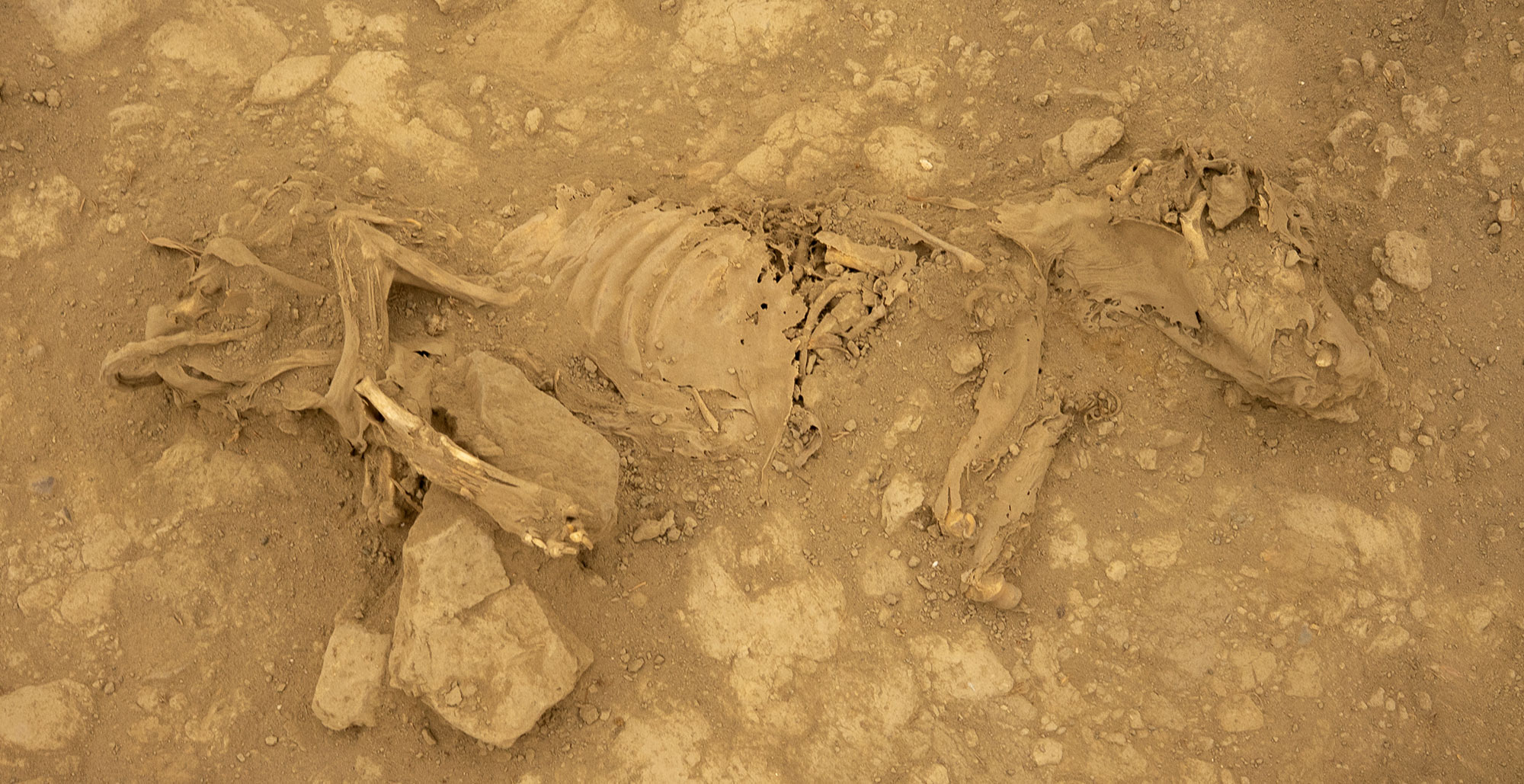
TUCSON, ARIZONA—Science Magazine reports that dogs in Croatia and neighboring countries are thought to have doubled in size between 2,000 and 8,000 years ago, based upon a study led by zooarchaeologist Martin Welker of Arizona State Museum. Some 8,000 years ago, Neolithic farmers from Anatolia and the Middle East brought dogs weighing about 33 pounds with them to central and southeastern Europe. Analysis of the isotopes in the teeth of Neolithic sheep in the region shows that they were taken high into the mountains to graze, where they would have need to be protected from wolves and bears, Welker explained. By about 6,000 years ago, the average dog in Central Europe weighed about 37 pounds. By the Roman period, the average dog weighed more than 50 pounds. Roman records indicate that some dogs used for herding or as guard dogs reached 70 pounds or more. Depictions in murals, however, show that the Romans also bred smaller lapdogs. To read about a DNA study of New World dogs, go to "The American Canine Family Tree."

Australia’s Ancient Eggshells Analyzed

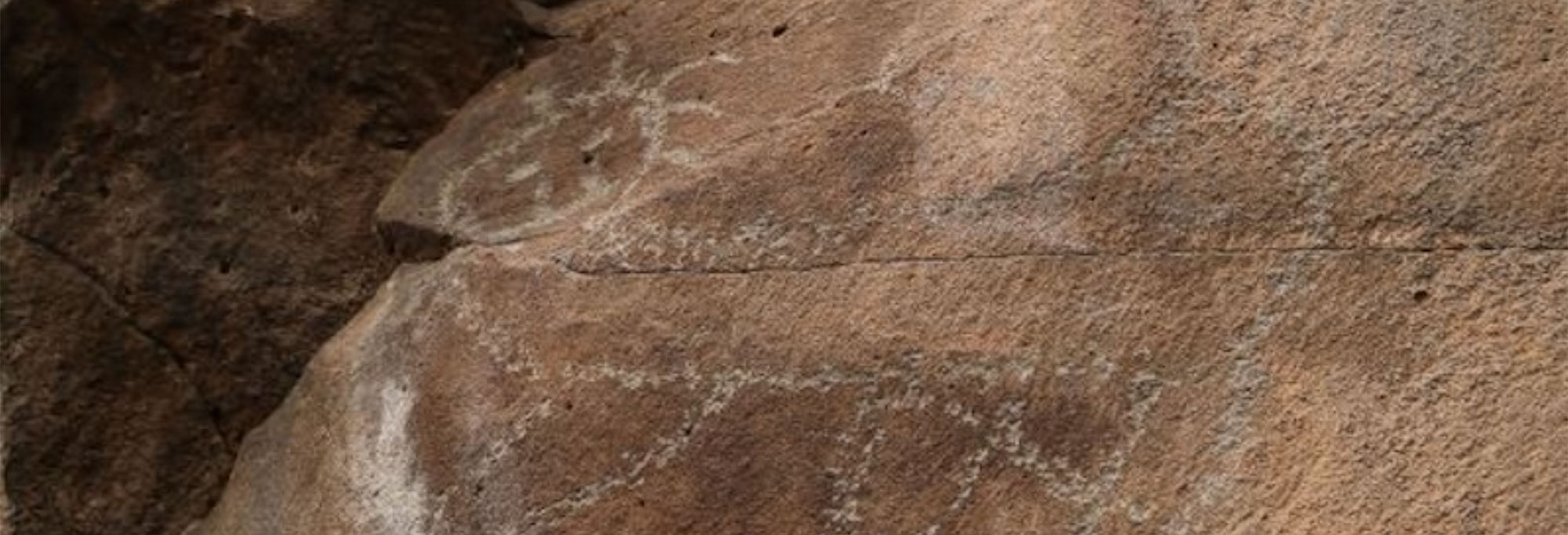
CAMBRIDGE, ENGLAND—According to a statement released by the University of Cambridge of Cambridge, Gifford Miller of the University of Colorado, Matthew Collins of the University of Cambridge, and an international team of researchers suggest that early Australians dined on melon-sized Genyornis eggs some 50,000 years ago, based upon an analysis of proteins extracted from mineral crystals in burned shell fragments. Miller first attempted to extract DNA from the ancient bits of eggshells, but found that genetic material had not survived in Australia’s climate. Collins explained that the team members then compared protein sequences obtained from egg fossils with the genomes of living birds. The study ruled out that the eggs could have been laid by Australia’s smaller Progura, another extinct bird related to today’s mound-building birds, based upon these protein sequences, added Beatrice Demarchi of the University of Turin. Rather, the eggs were produced by a bird that emerged prior to the lineage that gave rise to Progura. The flightless Genyornis, meanwhile, stood about six feet tall on massive legs, making it the other contender in the region for producing such large eggs. No evidence of Genyornis butchery has been uncovered, but even if humans did not hunt the birds, overexploitation of their eggs could have contributed to their extinction, Miller concluded. To read about newly discovered rock art panels that illustrate how ancient Aboriginal Australians envisioned their creation, go to "Letter from Australia: Where the World Was Born."

Thursday, June 2

Rare 18th-Century Warship Rudder Found in the Solent

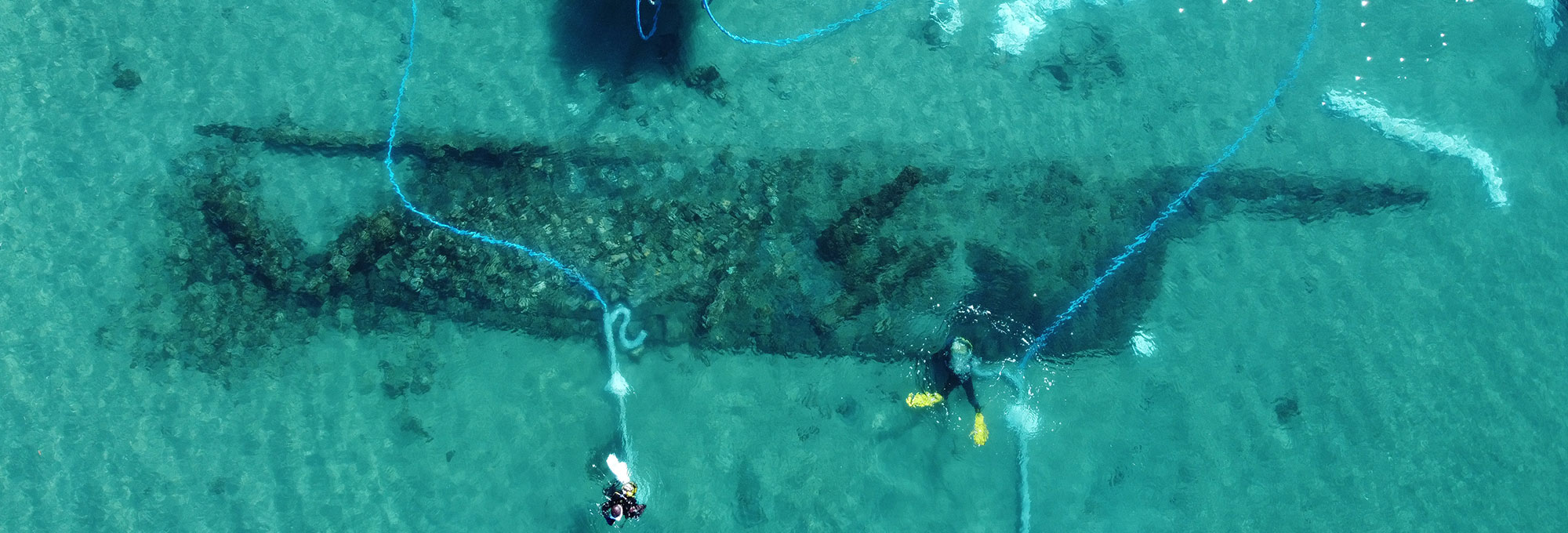
PORTSMOUTH, ENGLAND—The rudder of the HMS Invincible, a 74-gun warship that sank in the Solent off the coast of southeast England in 1758, was spotted about 200 feet away from the stern of the wreckage during a geophysical survey, according to a BBC News report. “We weren’t particularly looking for it,” marine archaeologist Dan Pascoe said of the 36-foot-long flat piece. The ship was built by the French in 1744, and was captured by the British in 1747 before it eventually ran aground when the rudder jammed, and capsized three days later. “The ship was highly maneuverable and the rudder was critical to its design,” Pascoe added. He and his team plan to protect the rudder from erosion of the sea floor with sandbags. A gunpowder barrel, swivel guns, a bottle of corked rum, and woodworking tools have been recovered from the shipwreck site so far by researchers from Bournemouth University and the Maritime Archaeology Sea Trust. If funding becomes available, the rudder could also be raised and conserved. To read about the discovery of the famous wreck of HMS Erebus, go to "Franklin's Last Voyage."

Hundreds of Coffins Recovered at Saqqara

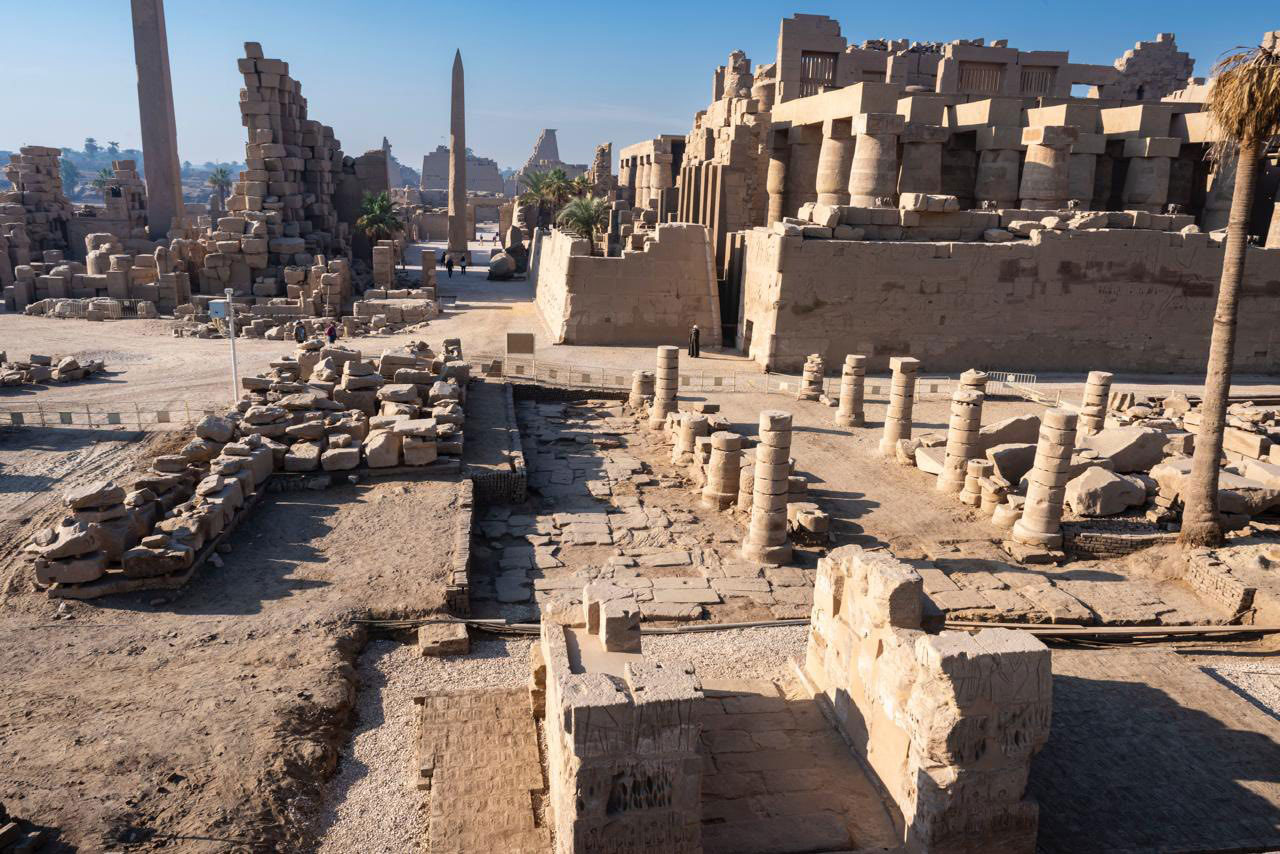
CAIRO, EGYPT—Ahram Online reports that Mostafa Waziri of Egypt’s Supreme Council of Antiquities announced the discovery of some 250 wooden coffins and 150 bronze statues dated to the fifth century B.C. at the Saqqara necropolis. The intact coffins, which contain mummified remains, were found in burial shafts along with a painted statue depicting Isis and Neftis; amulets; wooden boxes; cosmetics, including combs and kohl eyeliners; jewelry such as bracelets, earrings, and seed necklaces; tools; and statues with gilded faces. One of the coffins also contained a papyrus that may contain verses of the Book of the Dead. The bronze statues include depictions of Bastet, Anubis, Osiris, Amunmeen, Isis, Nefertum, and Hathor. Another statue, which is missing its head, has been identified as the engineer Imhotep. Instruments thought to have been used during rituals honoring the goddess Isis were also recovered. To read about the elaborately painted tomb of an Egyptian dignitary that was found in Saqqara, go to "Old Kingdom Tomb," one of ARCHAEOLOGY's Top 10 Discoveries of 2019.

Wednesday, June 1

Remains at Bronze Age Funeral Pyre in Italy Analyzed

STONY BROOK, NEW YORK—According to a Gizmodo report, researchers including Federica Crivellaro of Stoney Brook University have returned to a Late Bronze Age cremation platform discovered in northern Italy in the 1980s for additional study. Known as Salorno, the site was in use from about 1150 to 950 B.C. Usually, remains were buried after a body was burned on a cremation platform, but at Salorno, they were left in place. The team members estimate the remains represent from 48 to 172 people, in addition to animal bone fragments, pottery, and bronze burial goods. The estimate takes into account the possibility that some of the bones may have been removed and buried, Crivellaro explained. “Salorno must have been a ‘sacred’ place for its community, in the way it was chosen but also protected from being looted or destroyed, but we cannot assess why exactly,” she said. It may have been reserved for a small number of families or elites over a period of generations, Crivellaro surmised. To read about a massive wooden pool structure where a Bronze Age culture in northern Italy performed water rituals some 3,500 years ago, go to "Italian Master Builders." 

Wisconsin’s Oldest Intact Vessel Receives 3-D Scan

MADISON, WISCONSIN—The Journal Times reports that a dugout canoe discovered last fall in Wisconsin’s Lake Mendota has been scanned with high-tech tools to aid in further study. Radiocarbon dating of a sample of wood from the canoe revealed that it is 1,200 years old, and was likely built by southern Wisconsin’s Effigy Mound builders, the ancestors of today’s Ho-Chunk Nation. Seven net sinkers recovered from the vessel indicate it was used for net fishing, a technique previously thought to have been limited to the Great Lakes. “Now we have a really good three-dimensional scan of this object,” said Lennon Rodgers of the Grainger Engineering Design and Innovation Laboratory at the University of Wisconsin. “You can see all the way down to the tool marks.” The scans may also be used to create a full-size replica of the vessel for use at the Wisconsin History Center, added state archaeologist James Skibo. To read about the canoe's initial discovery, go to "Gone Fishing."

Carved Insult Unearthed at Vindolanda Roman Fort

NORTHUMBERLAND, ENGLAND—A volunteer excavator at northern England’s site of Vindolanda Roman Fort uncovered a stone inscribed with a phallus and an insult, according to a Chronicle Live report. Situated just south of Hadrian’s Wall, the fort was occupied from around A.D. 85 through 370. The graffiti, which names an individual named Secundinus and refers crudely to his bodily functions, has been dated to the third century. “I’d been removing a lot of rubble all week and to be honest this stone had been getting in my way,” said volunteer Dylan Herbert. “When I turned it over, I was startled to see some clear letters. Only after we removed the mud did I realize the full extent of what I’d uncovered, and I was absolutely delighted,” he added. Andrew Birley, director of the excavation, explained that a phallus was usually regarded as a good luck charm or symbol of fertility, but was probably not intended as such in this case. “I have no doubt that Secundinus would have been less than amused to see this when he was wandering around the site over 1,700 years ago,” he said. To read about first-century A.D. writing tablets unearthed at Vindolanda, go to "Commander's Orders."

Advertisement