Possible Medieval Friary Site Found in Wales
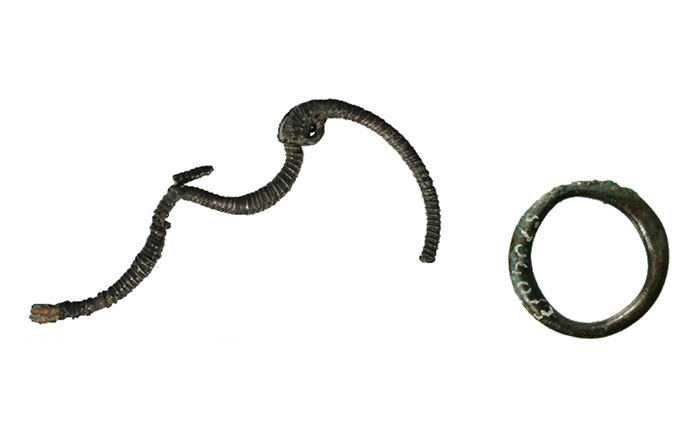
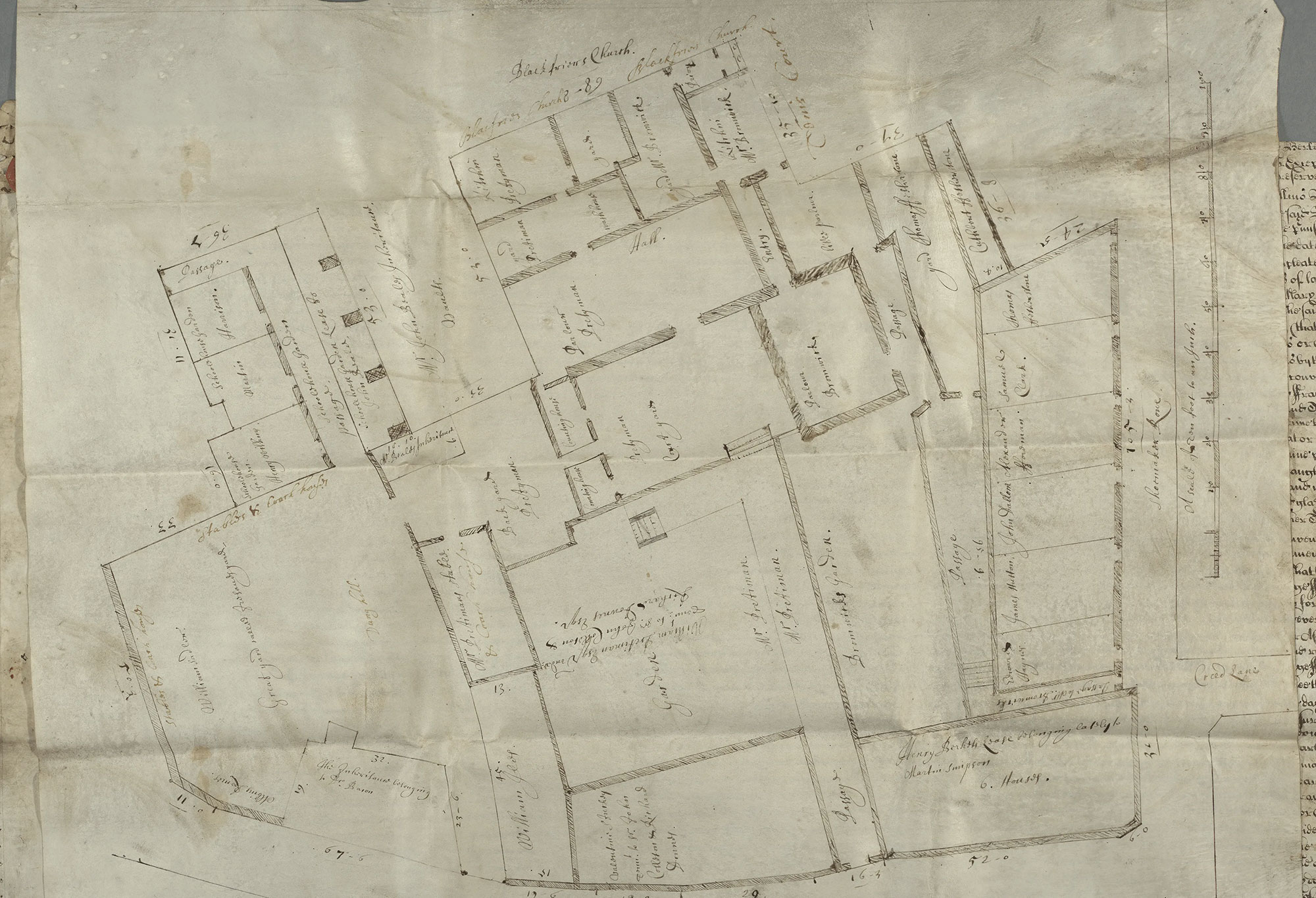
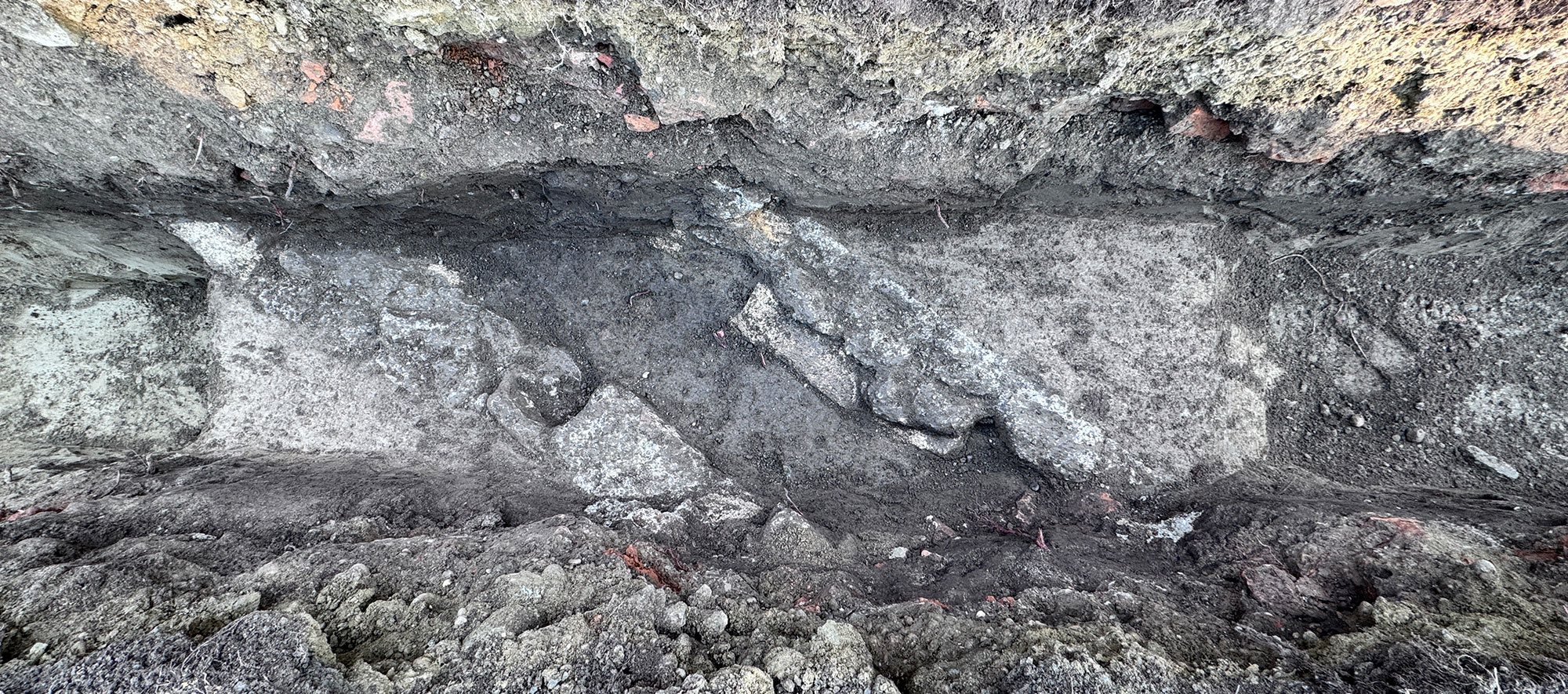
HAVERFORDWEST, WALES—An investigation ahead of a construction project uncovered the remains of 17 people in southwest Wales, at a site that may have been the Friary of St Saviours, according to a BBC News report. The friary was home to eight Dominican monks known as Blackfriars who moved to the area in 1258. One shroud pin has been recovered from the burials. The excavation also unearthed walls, drains, and wall and floor tiles thought to have been imported from France. The friary grew very wealthy before it was dissolved in the 1530s by King Henry VIII. said a demolished shop and an iron foundry were found on top of the remains of the friary. To read about excavations of a Franciscan friary in Oxford, go to "Tales Out of School."
Roman-Style Sandal Recovered in Norway
HAMAR, NORWAY—According to a Live Science report, an ancient sandal was discovered on a mountain in Norway in 2019 after a hiker spotted it in melting ice and alerted archaeologist Espen Finstad of Secrets of the Ice. Finstad and his colleagues were able to retrieve the artifact within one day, before a snowstorm in the weather forecast would blanket the artifact. “Then it could take many years before it melted out again,” Finstad said. The footwear, which has been radiocarbon dated to A.D. 300, followed the Roman style and was probably worn with scraps of fabric or animal skin to keep the feet warm, he explained. The variety of artifacts found in the area suggests the mountain path connecting inland Norway to the coast was used for hundreds of years. To read about more artifacts the team has recovered from the ice in the mountains of Norway, go to "Melting Season."
Well-Preserved Shipwreck Discovered in Estonia
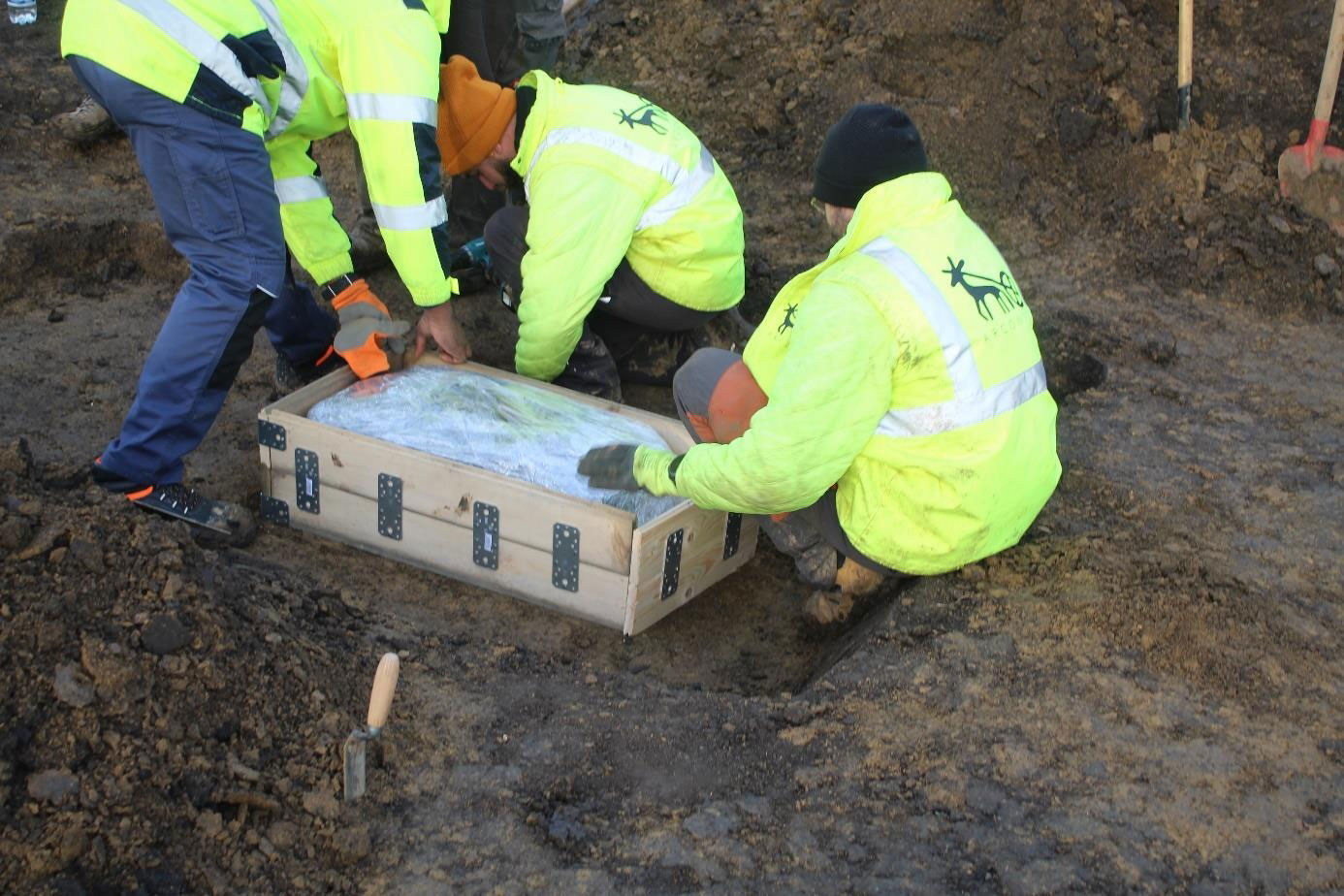
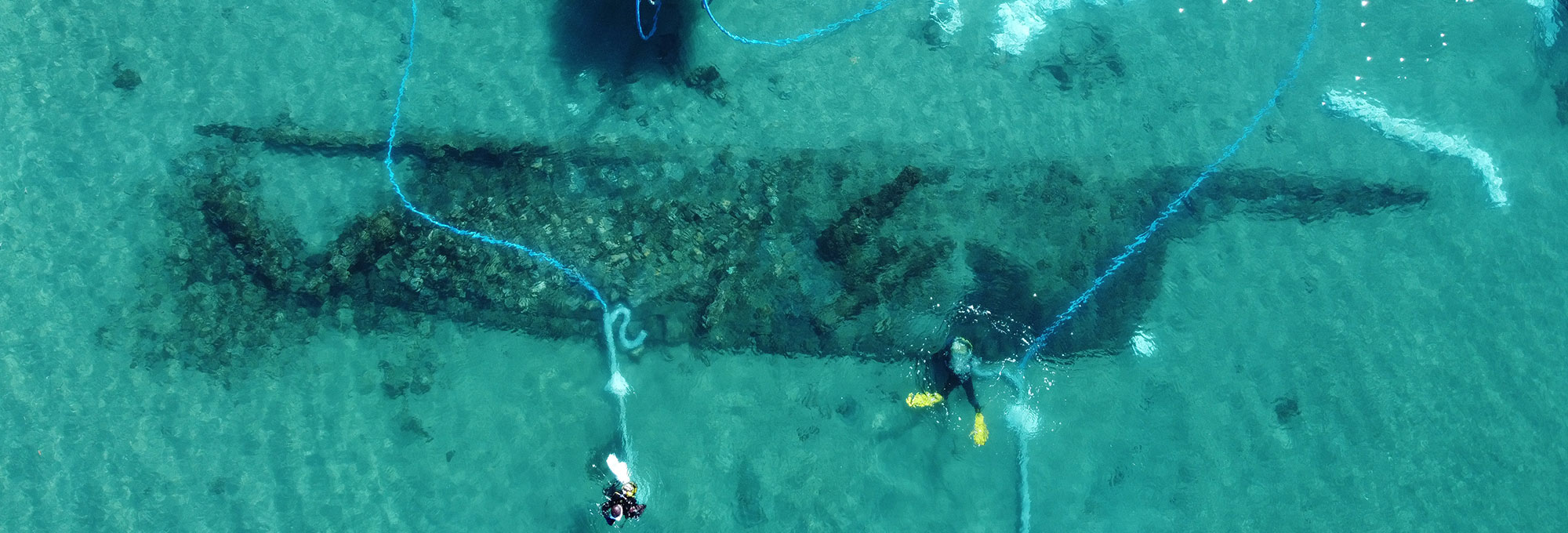
TALLINN, ESTONIA—ERR News reports that a shipwreck was uncovered during construction work in Estonia at what was once the estuary of the Härjapea River, near the modern port of Tallinn. Planners knew of one thirteenth-century shipwreck at the site, but were surprised when the remains of this 80-foot ship came to light. Priit Lätti of the Estonian Maritime Museum said that initial examination of the wreckage indicates it could date to the late thirteenth or early fourteenth century. Archaeologists are attempting to remove the well-preserved shipwreck from the ground so that the construction project can continue. To read about an underwater robot developed by Estonian researchers to explore intact wrecks, go to "Turtle Power."
High-Tech Tools Used to Explore Corn Domestication in Mexico
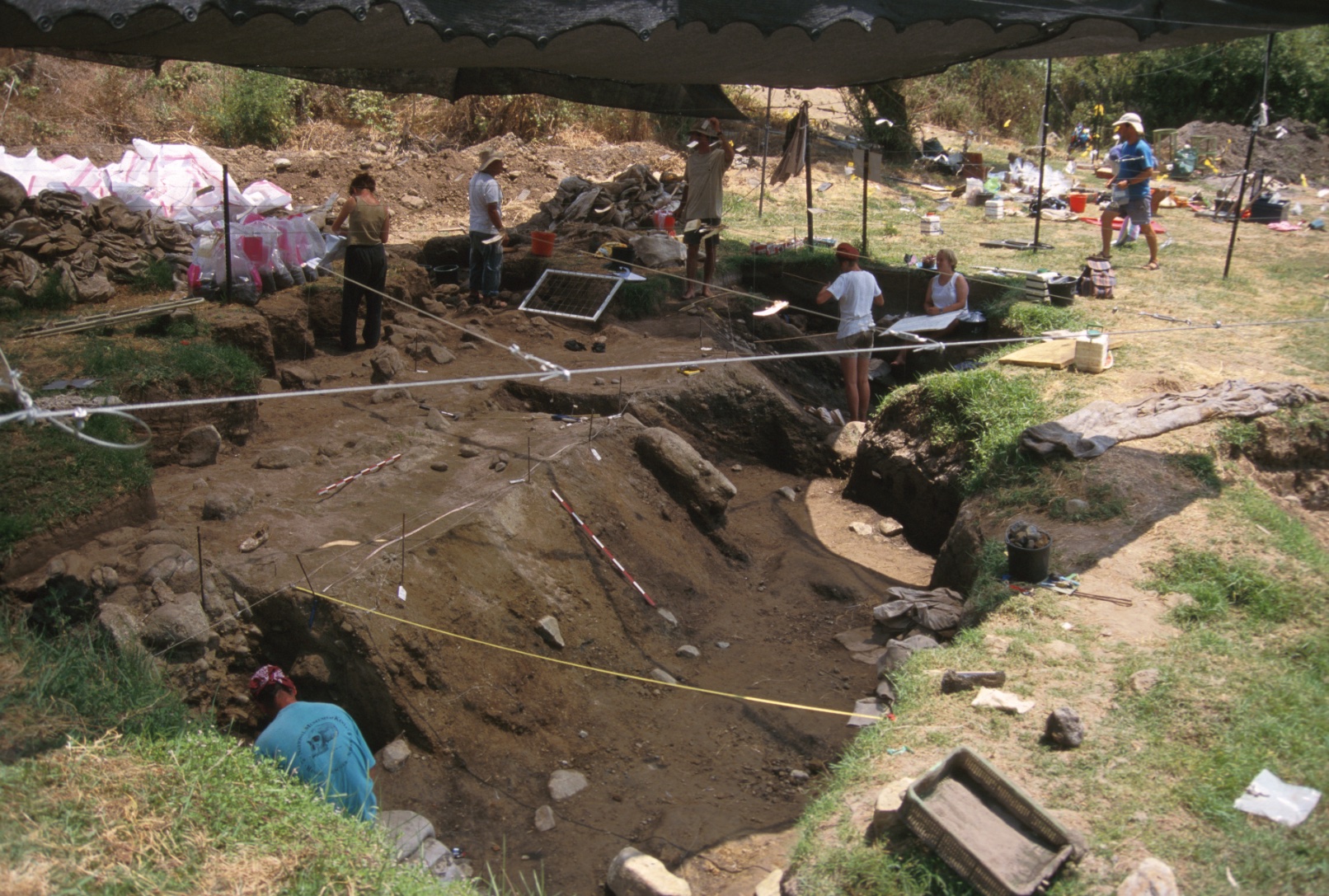
STATE COLLEGE, PENNSYLVANIA—According to a statement released by Penn State University, Ivan López-Valdivia and Jonathan Lynch are investigating the domestication process of the wild grass teosinte into modern corn. The researchers used laser ablation tomography, which combines laser optics and 3-D imaging, to analyze the anatomy of two 5,000-year-old root stalks recovered from the very dry conditions in San Marcos Cave in southern Mexico’s Tehuacán Valley. Like modern corn plants, the roots’ outer cells had thick walls adapted to growth in hard soil. But unlike modern corn plants, the ancient plants lacked seminal roots, which supply corn seedlings with additional water and nutrients. Teosinte plants also lack seminal roots, López-Valdivia and Lynch explained. However, DNA analysis of a third ancient plant of similar age revealed the presence of mutations in two genes that contribute to the growth of seminal roots in modern corn plants. These genes may have been related to drought adaptation even though the traits were not yet expressed in the earliest corn from Tehuacán. For more, go to "How Grass Became Maize."
Study Investigates Anglo-Saxon Diets
CAMBRIDGE, ENGLAND—According to a statement released by the University of Cambridge, England’s early medieval Anglo-Saxon rulers may not have consumed large amounts of meat on a daily basis, as had been previously thought. Bioarchaeologist Sam Leggett analyzed the chemical composition of the bones of more than 2,000 people who had been buried in England from the fifth through eleventh centuries A.D., and then compared what she found with evidence of social status from grave goods, body position, and grave orientation. The study found no correlation between social status and high-protein diets. Leggett and historian Tom Lambert then examined lists of food from the period and determined in particular that a food list compiled during the reign of King Ine of Wessex (A.D. 688–726) amounted to more than one million calories. If each person at the feast received one of the three hundred bread rolls on the list, they would have also received more than 4,000 calories of meat, fish, cheese, honey, and ale. Yet the chemical analysis of the bones indicates that such meals must have been eaten only occasionally, even by elites. It is more likely that most of the time, a wide range of people ate bread with a small quantity of meat and cheese, and pottages of leeks and whole grains flavored with a little meat, Leggett explained. To read about the excavation of an Anglo-Saxon feasting hall in the village of Lyminge, go to "The Kings of Kent."
Clues to Pacific Migration Paths Discovered in Papua New Guinea
CANBERRA, AUSTRALIA—Lapita pottery, tools, blades used for tattooing, imported obsidian, and the bones of non-local species of pigs, dogs, and rats have been discovered at the Gutunka archaeological site on Brooker Island, which is located near the southern tip of Papua New Guinea, according to a Cosmos Magazine report. “For a long time it was thought Lapita groups avoided most of Papua New Guinea because people were already living there,” said Ben Shaw of Australian National University. People have lived in Papua New Guinea for at least 50,000 years, he explained. The study suggests that Lapita people visited the island sporadically at first, and established a base for the harvesting of sea turtles some 3,000 years ago. But encounters with the Papuans may have encouraged the Lapita to continue to explore the islands of the Pacific. “It is one of the greatest migrations in human history and finally we have evidence to help explain why the migration might have occurred and why it took place when it did,” Shaw concluded. For more on the Lapita, go to "Ancient Tattoos: Lapita Fragment and Engraving."
Researchers Track Parasitic Infections Over Time
OXFORD, ENGLAND—According to a statement released by the University of Oxford, researchers led by Hannah Ryan and Patrik Flammer looked for the presence of parasitic worm eggs in the pelvic area of the remains of more than 460 people buried in 17 different sites across Britain from the Bronze Age through the Industrial Revolution. The investigation revealed that people who lived in the Roman and late medieval periods had the highest rate of parasite infections in the study. By the time of the Industrial Revolution, some sites had much lower rates of parasitic infection than others, perhaps due to sanitation practices that were put into practice locally before the Victorian “Sanitary Revolution” reduced infection rates nationwide. Similar changes could help reduce the number of infections experienced by some modern populations, Ryan and Flammer explained. Read the original scholarly article about this research PLOS Neglected Tropical Diseases. To read about the discovery of parasitic flatworms that cause schistosomiasis in human skeletal remains from Syria, go to "Dawn of a Disease."
Roman-Era Pottery Workshop Uncovered in Egypt
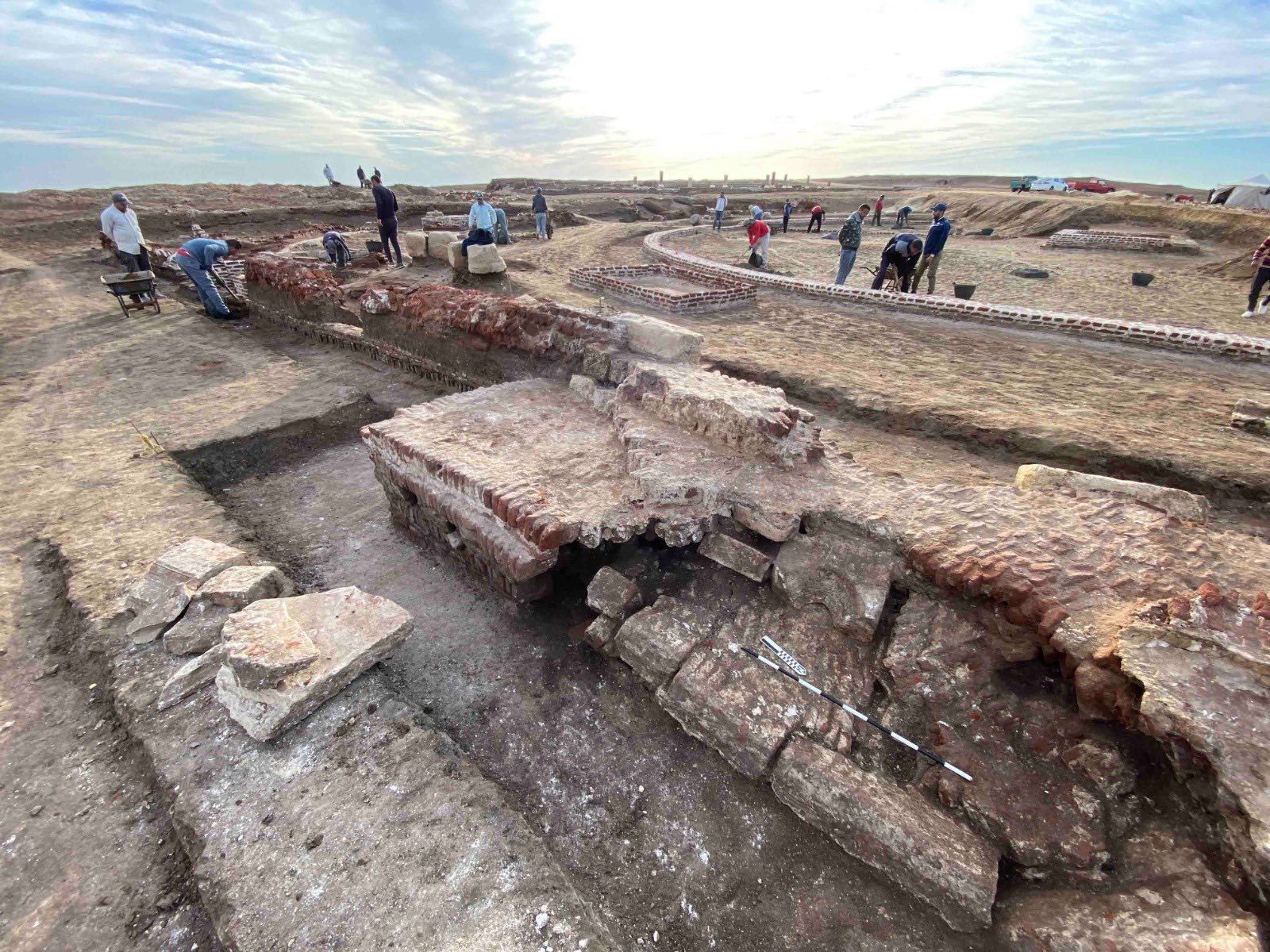
CAIRO, EGYPT—Live Science reports that a pottery workshop dated to the beginning of the Roman period has been found in the ancient port city of Alexandria by archaeologists from Egypt's Ministry of Tourism & Antiquities. The researchers have uncovered vessels, coins, figurines, and the remains of several buildings made of limestone. Two of the kilns at the site had been carved out of the rock. One building held cooking utensils and tableware, another held stoves and amphoras containing fish bones, while additional structures may have served as temporary housing for workers. The presence of terracotta statues of Harpocrates, the juvenile form of the falcon-headed god Horus, in a room with a raised platform suggests it may have been used for rituals. Mustafa Waziri of the Supreme Council of Antiquities said the site was reused during the Byzantine era for lime production, and later as a cemetery. To read about Egypt's main port city before the rise of Alexandria, go to "Egypt's Temple Town."
Advertisement