

CAMBRIDGE, MASSACHUSETTS—According to a Science Magazine report, archaeologist Michael McCormick of Harvard University and glaciologist Paul Mayewski of the University of Maine say a volcanic eruption in Iceland in A.D. 536 could have been responsible for the fog and drop in temperatures reported in medieval records from Europe, the Middle East, and parts of Asia. Previous studies had linked such changes in climate to cataclysmic volcanic eruptions, but it had been thought the eruption in A.D. 536 might have taken place in North America. McCormick, Mayewski, and their colleagues conducted an “ultraprecise analysis” of slivers of ice from a core taken from a Swiss glacier in 2013, which allowed them to pinpoint the occurrence of storms and volcanic eruptions, as well as levels of lead pollution over the past 2,000 years. The chemical composition of two microscopic particles of volcanic glass, located in a section of the ice core dating to the spring of 536, resembled volcanic rocks from Iceland. Vulcanologist Andrei Kurbatov of the University of Maine said the next step is to look for particles from the volcano in lakes in Europe and Iceland. For more on evidence of past volcanic eruptions, go to “Pinpoint Precision.”
Study Looks for Location of Medieval Volcano Eruption
News November 16, 2018
Recommended Articles
Off the Grid September/October 2026
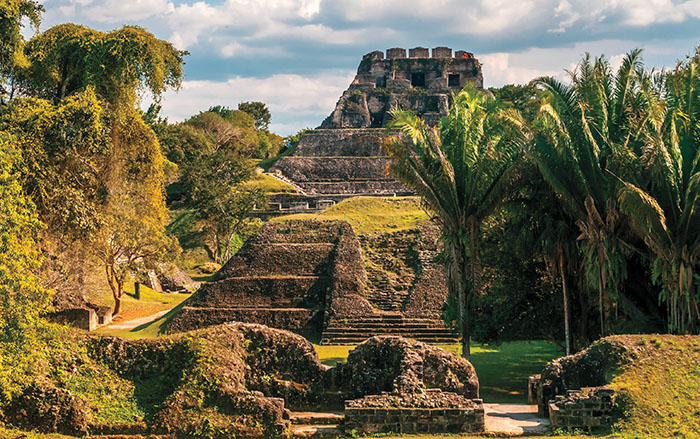
Xunantunich, Belize
Learning to draw monkeys at an ancient Maya art academy
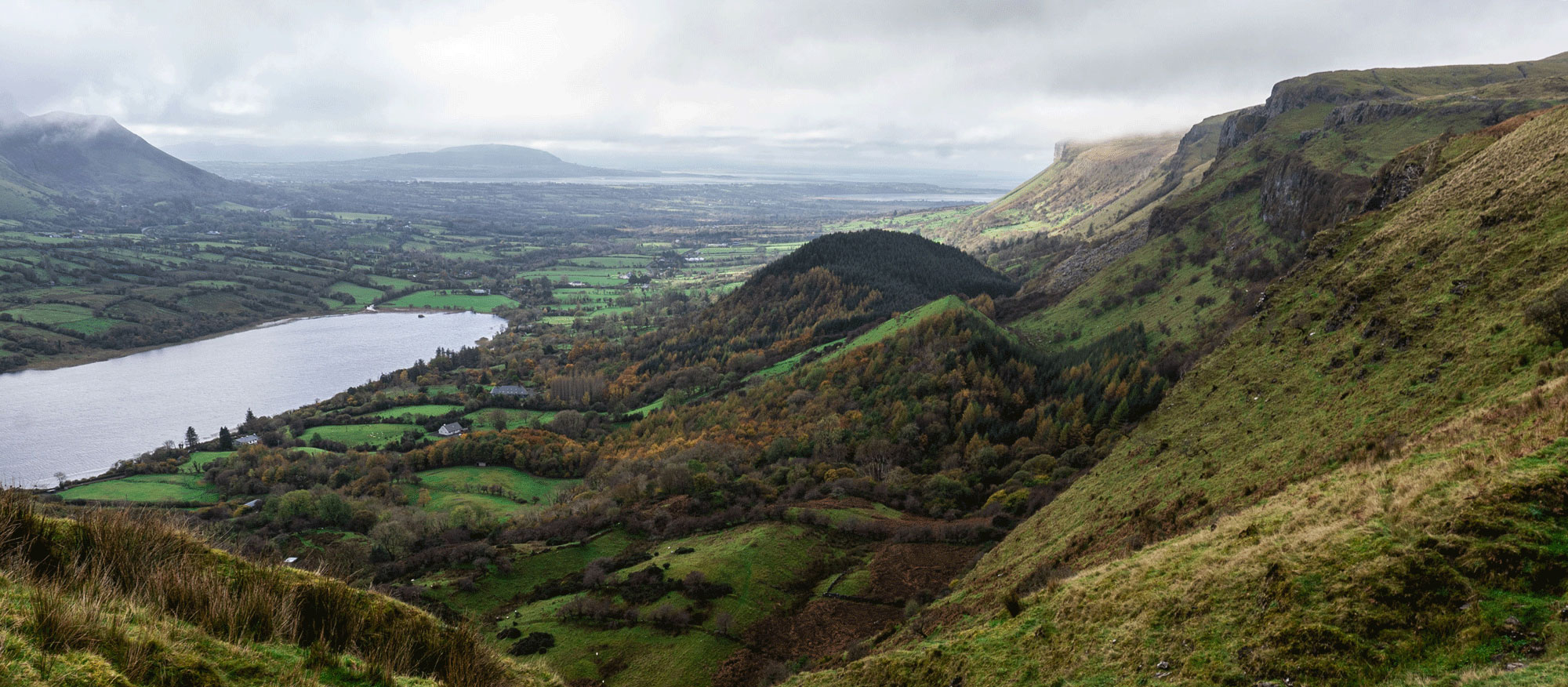
Letter from Ireland September/October 2026
A War Between Friends
How IRA volunteers survived the Irish Civil War in a secret mountain hideout
Features September/October 2026
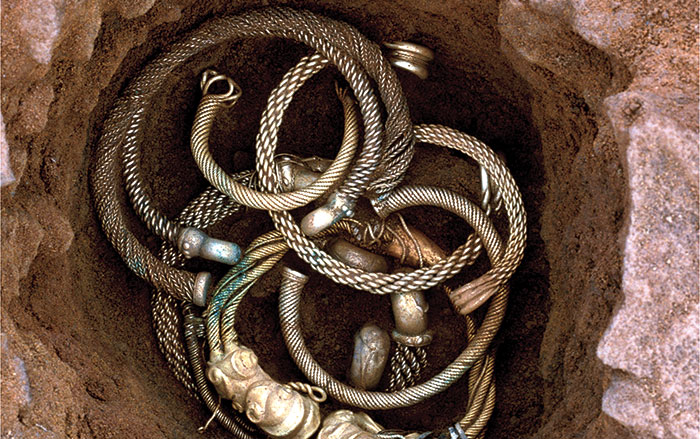
A Change in Fashion
Hoards of lavish gold and silver neck rings buried on an English hill reflect dramatic social change
Features September/October 2026
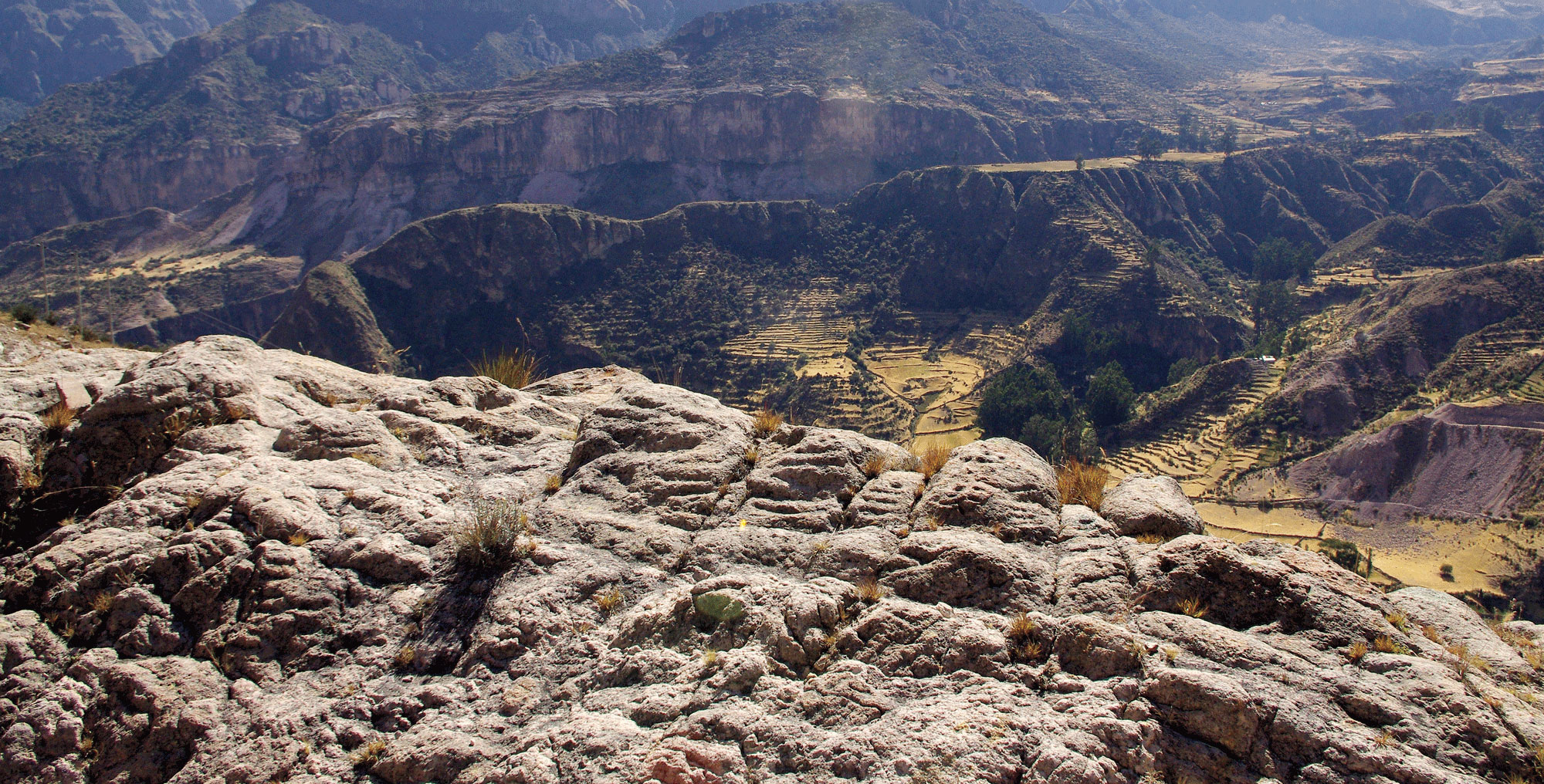
Cultivating Fields of Stone
Peru’s ancient farmers used intricate rock maps to plan for the future
More to Discover
Features September/October 2018
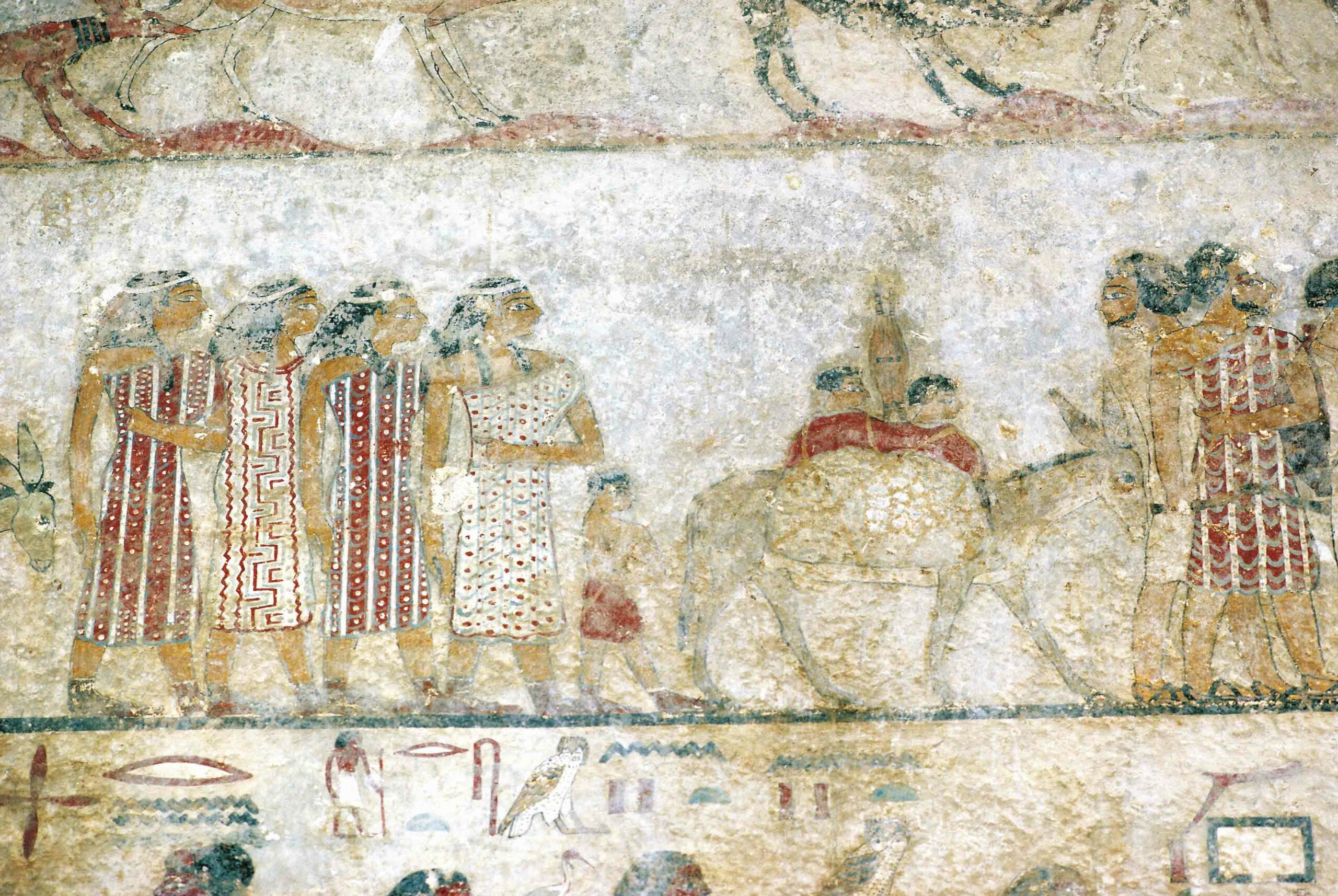
The Rulers of Foreign Lands
Was a new regional power, once thought of as a bloodthirsty invading force, actually a catalyst for ancient Egypt’s most prosperous era?
-
Features September/October 2018
Shipping Stone
A wreck off the Sicilian coast offers a rare look into the world of Byzantine commerce
 (Courtesy Marzamemi Maritime Heritage Project)
 -
Letter from Brooklyn September/October 2018
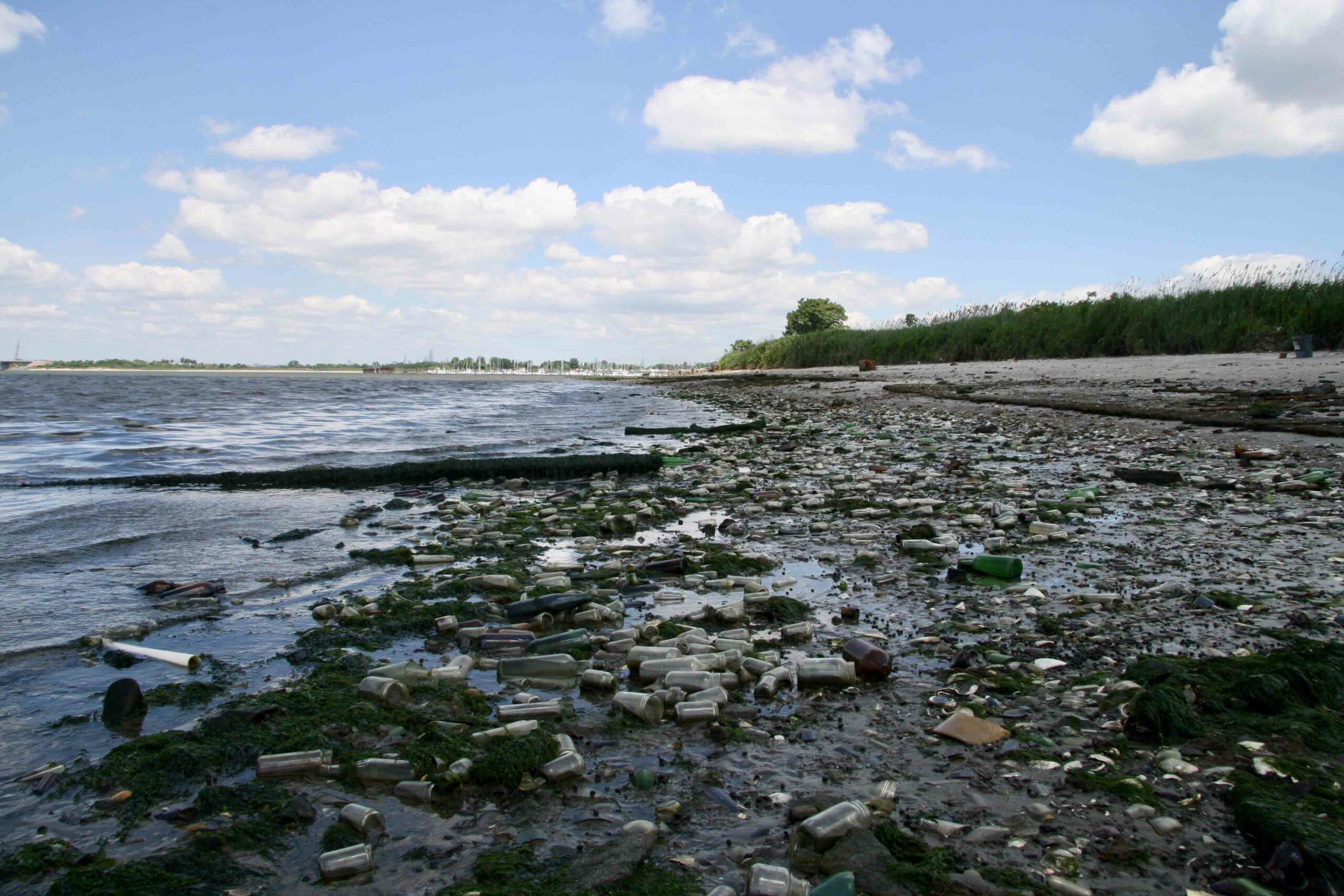
New York City's Dirtiest Beach
Long-lost clues to the lives of forgotten New Yorkers are emerging from the sands at Dead Horse Bay
 (Courtesy Jason Urbanus)
 -
Artifacts September/October 2018
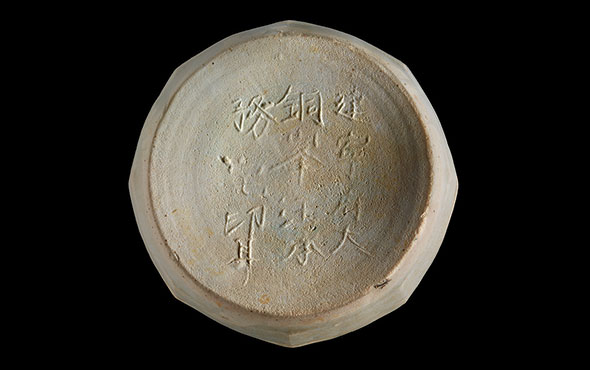
Base of a Qingbai-Glazed Molded Box
 (© The Field Museum, cat. no. 344404. Photographer Gedi Jakovickas)
 -
Digs & Discoveries September/October 2018
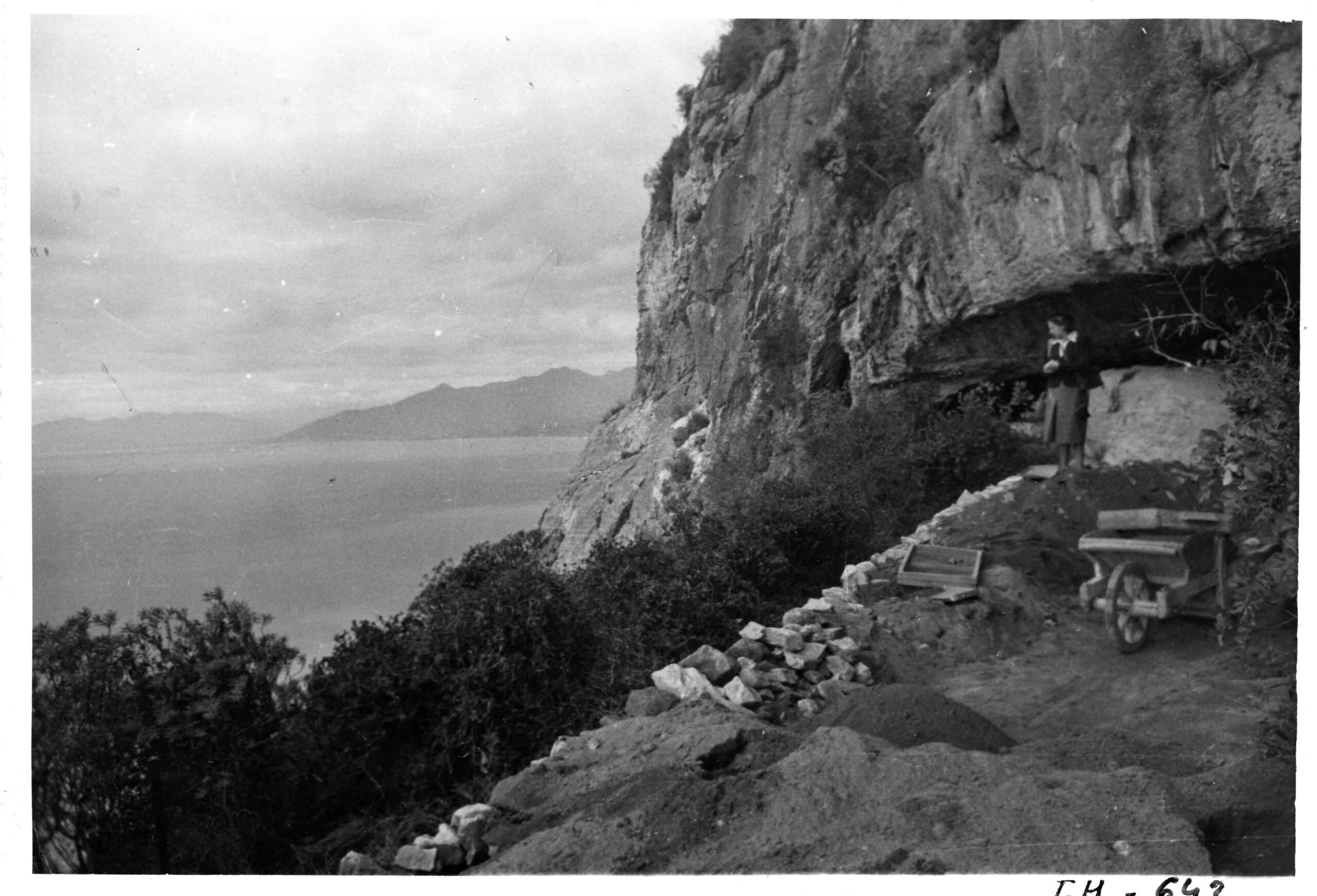
Ice Age Necropolis
 (Archives of the Soprintendenza Archeologia Belle Arti e Paesaggio della Liguria - Italian Ministry of Cultural Heritage)