A publication of the Archaeological Institute of America

Archaeological Headlines By JESSICA E. SARACENI
Thursday, February 21

Copper Plates Found Beneath Indian Temple

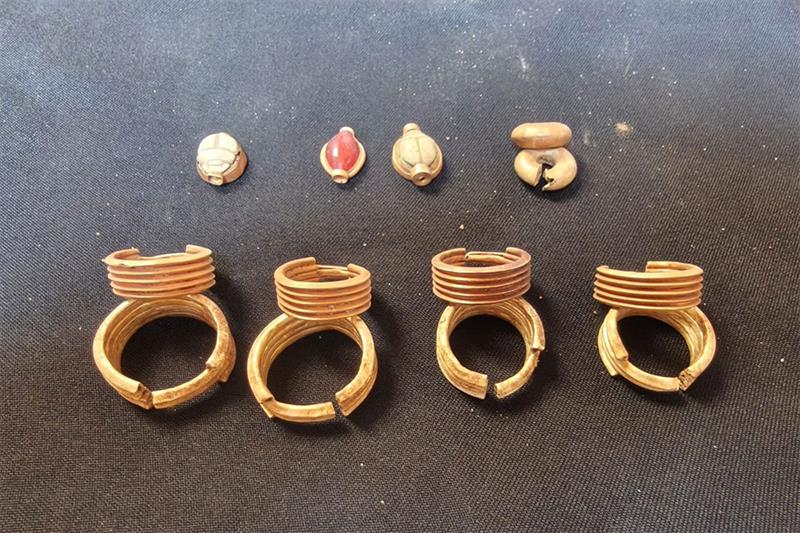
TALAGUNDA, INDIA—Archaeologists studying the soil and foundation beneath a temple in the southwest Indian state of Karnataka made a suprising discovery this month. After digging test pits next to a wall in need of repair, the team found two sets of copper-plates issued by a nomadic king, Sankama-II, in March of 1180 A.D. Sanskrit inscriptions on the plates record donations of land the king made to local Brahmins. In the same pit, the team also found eight much older gold coins that portray elephants and date to between 679 and 726 A.D. The Archaeological Survey of India now plans to excavate a large mound next to the temple.  

Guerrilla Tactics in Iron Age Norway

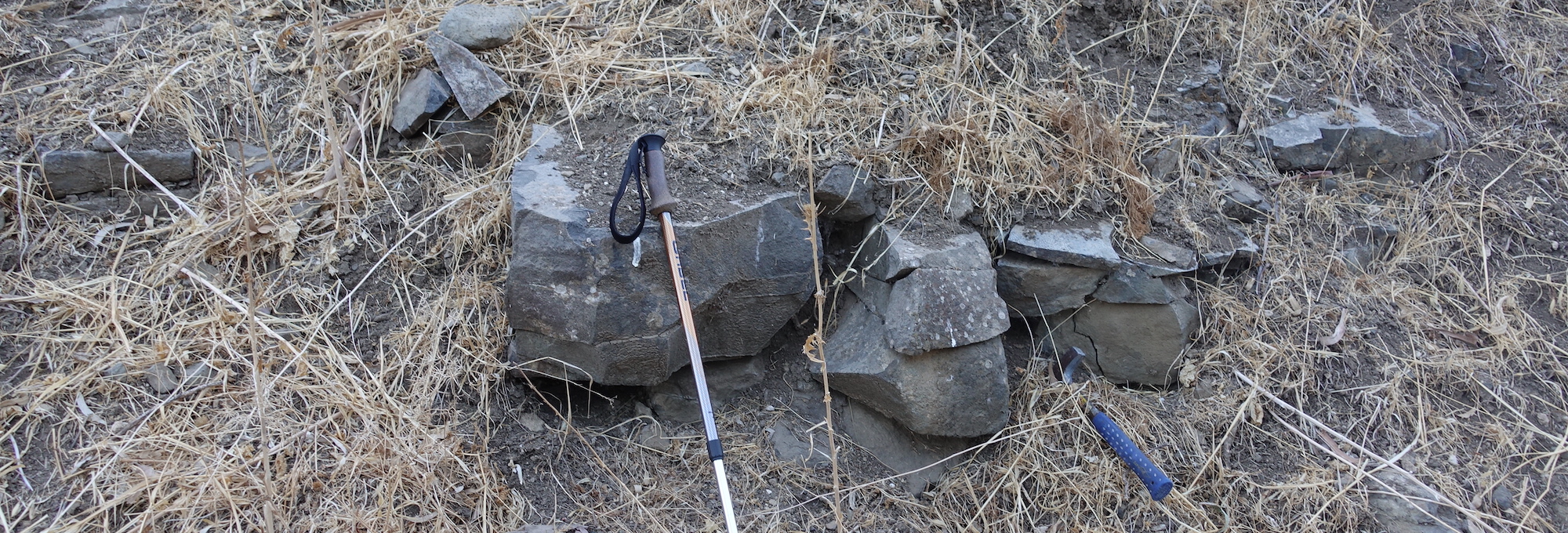
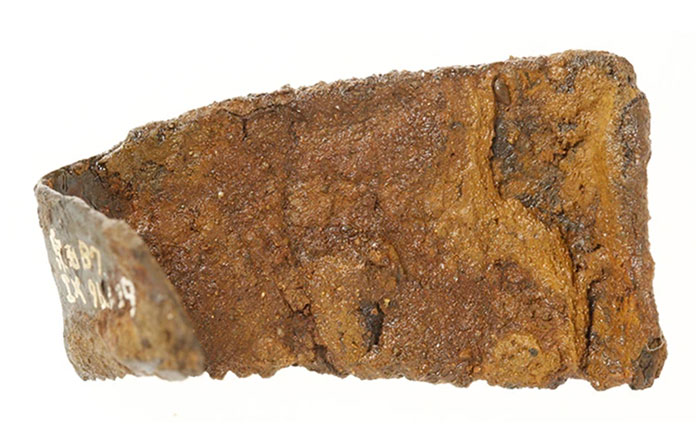
TRONDHEIM, NORWAY—At the height of its power, the Roman Empire's influence was felt as far away as Iron Age Norway, where warriors followed idealized Roman tactics and squared off in battlefields. Now Norwegian University of Science and Technology archaeologist Ingrid Ystgaard has found that after Rome's influence vanished around 500 A.D. the nature of warfare changed drastically. Petty warlords built small stone fortifications on hilltops and axes began to appear in warrior's graves. "If you stop staging large battles in the field, but try and take out the boss where he can be found, in a raid on his home, then you need an axe," says Ystgaard. "This is a completely different principle for warfare. It was kind of a free-for-all." Around 600 A.D., stone fortifications began to fall into disuse, which Ystgaard thinks means the smaller warlords were being extinguished, and power was concentrating in the hands of a few major chieftains.

Spectacular Warrior's Grave Unearthed in Russia

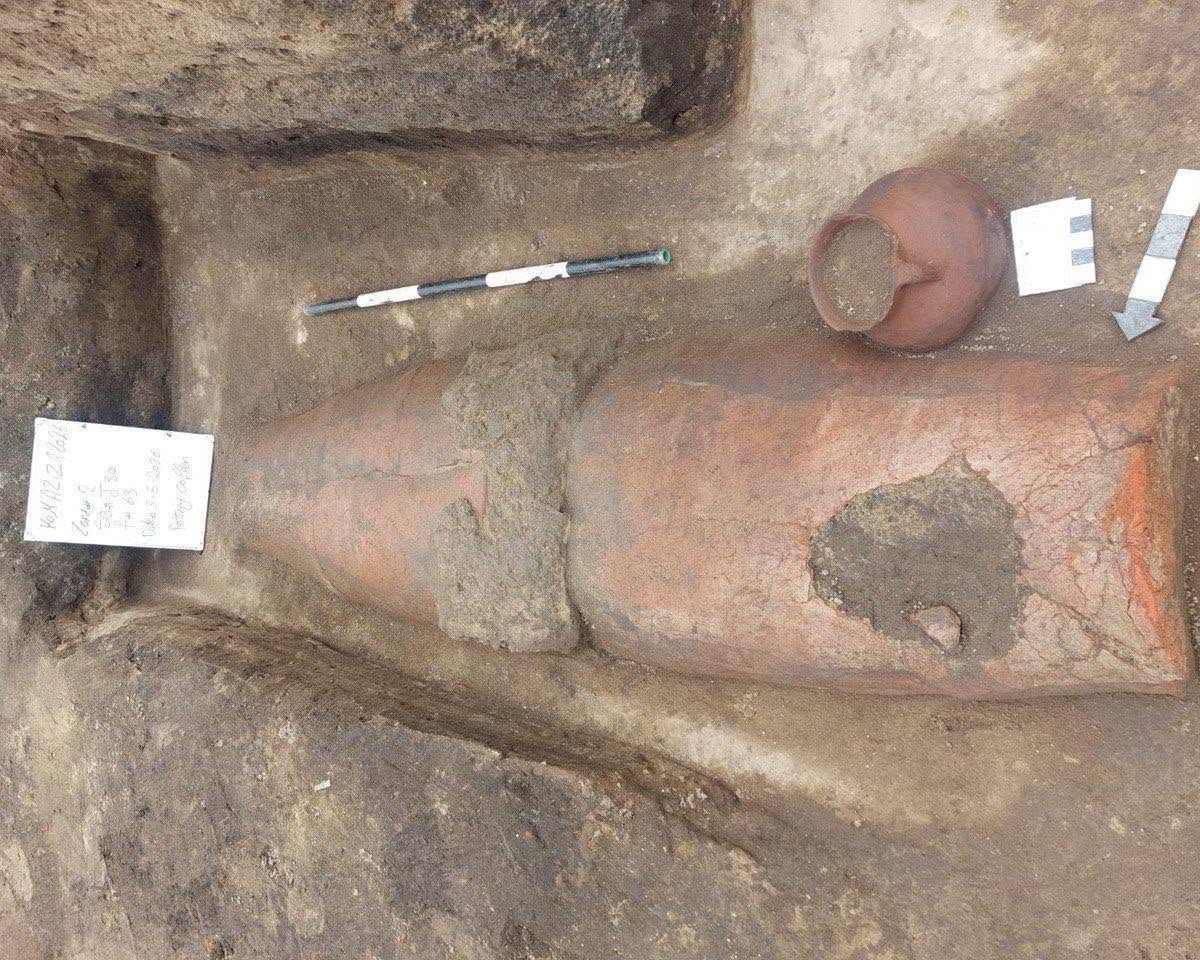
MEZMAY, RUSSIA—Archaeologists digging a necropolis in the Caucasus mountains of Russia's Krasnodar region have discovered an elaborate burial of a male warrior. Dating from the third century B.C. to the second century A.D, the necropolis was used by an as-yet unidentified culture that was heavily influenced by the Greeks. The warrior was buried with a dozen gold artifacts, as well as an iron axe, two iron swords, and iron chain mail. The remains of three horses, a cow, and a wild boar were also found nearby. According to Valentina Mordvintseva, a researcher at the Ukrainian National Academy of Sciences Institute of Archaeology, this shows the warrior was held in very high esteem by his tribe, and was likely a local chieftain.

Foreign Archaeologists Return to Iraq

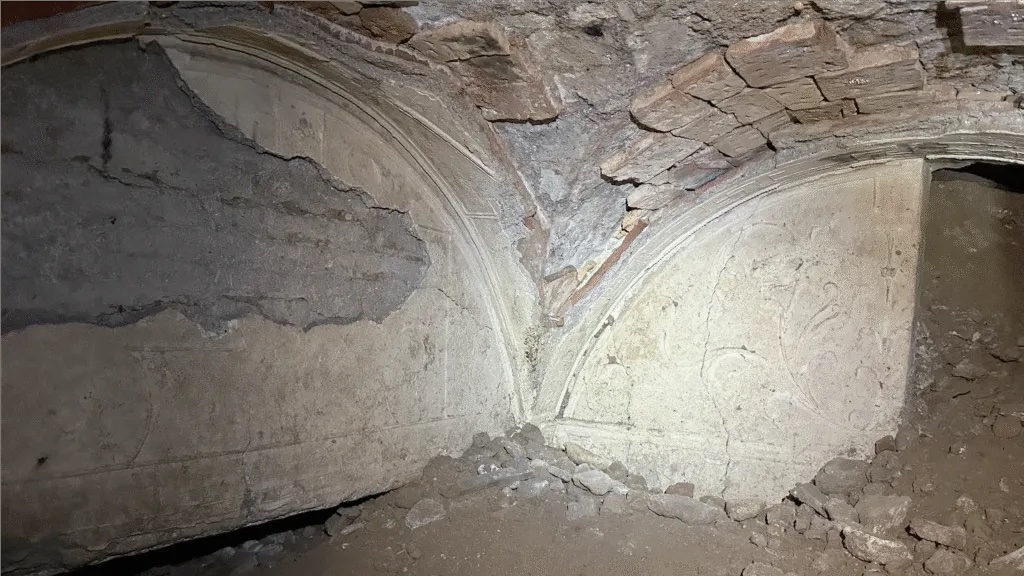
BAGHDAD, IRAQ—The Iraqi government has authorized excavation permits for six foreign archaeological teams, including Italian and British researchers who will soon begin digging sites in the southern half of the country. Their work will complement the work of local Iraqi archaeologists, some of whom recently found the remains of the country's oldest Christian church in Karbala province. "Italy, the United States, and the United Kingdom were among the first countries to send archaeological teams to Iraq," said Abbas al-Quraishi, director of the Ministry of Tourism and Antiquities artifact recovery department. "We look forward to increasing their presence on our various archaeological projects." The ministry estimates that there are 40,000 sites in Iraq that have yet to be explored.

Wednesday, February 20

Syrian Authorities Empty the Country's Museums

 SYRIA—Syrian antiquity authorities have moved tens of thousands of artifacts out of museums and into warehouses in order to spare those items meeting a fate similar to the antiquities of Iraq when its National Museum in Baghdad was looted in 2003. "We emptied Syria's museums," Maamoun Abdulkarim, head of Syria's antiquities and museums, recently told Reuters. "They are in effect empty halls, with the exception of large pieces that are difficult to move." The country is in the grips of a 23-month period of violence that's spurned looting and illegal excavations. Among the Syrian antiquities to go missing amidst the unrest is a 2,700-year-old bronze statue that was lifted froma museum in the city of Hama. 

Ancient Wine Press Found in Tel Aviv

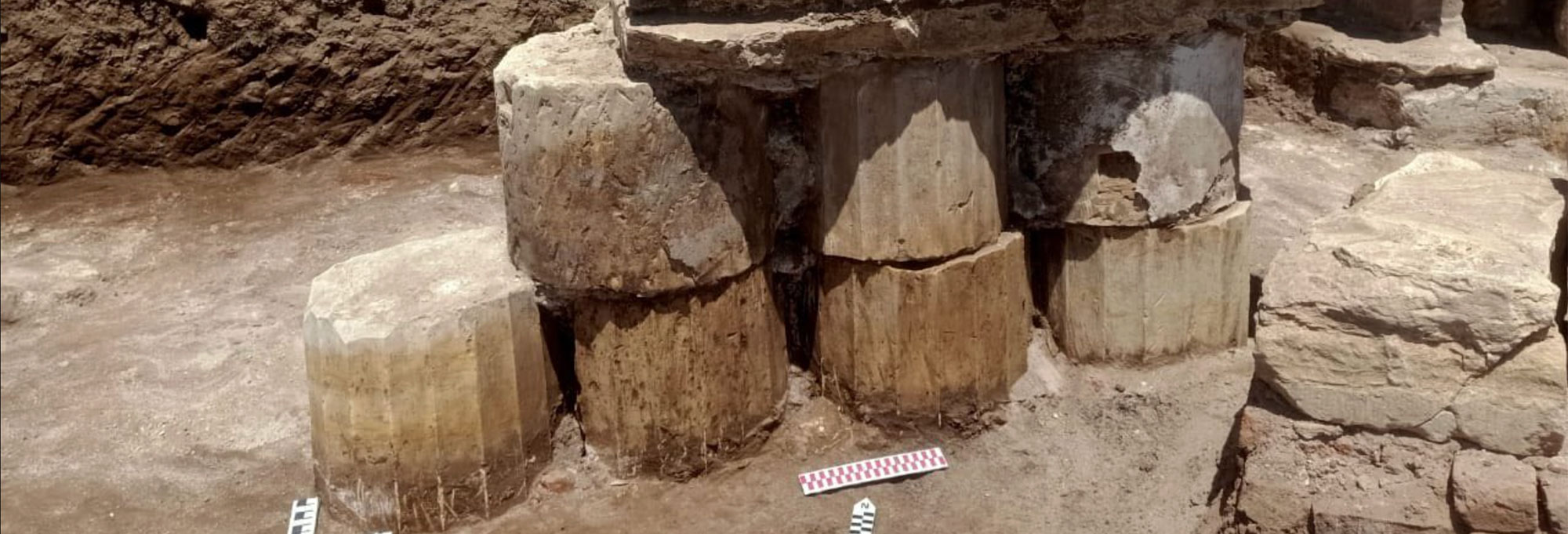
TEL AVIV, ISRAEL—Archaeologists at the Israel Antiquities Authority reported the discovery of an industrial installation likely dating back to the second half of the Byzantine period (A.D. sixth century to early seventh century) in Yafo, one of the oldest sections of Tel Aviv. The region was known in ancient times to produce a bountiful array of fruit, and the find was likely used for liquid extraction, such as pressing grapes to make wine. The installation has several surfaces of white mosaic, which would have been impermeable, allowing liquid to collect in nearby vats. "It is possible that the section that was discovered represents a relatively small part of the overall installation, and other elements of it are likely to be revealed in archaeological excavations along adjacent streets which are expected to take place later this year,” explains Yoav Arbel, the IAA's director of excavations. 

Is the Study of Archaeology at Risk?

SHEFFIELD, ENGLAND—University of Sheffield historian Michael Braddick writes in The Guardian that the discovery of Richard III in the parking lot at the former site of Greyfriars was a testament to "the power of archaeological techniques." The demonstration, he says, stands in stark contrast to university archaeology departments in the U.K., which are suffering from lack of undergraduate interest and, thus, funds. He laments that, given recent shifts in the U.K.'s education policy, the study of archaeology and certain languages, such as Russian, German, and Portuguese, will likely be scaled back in the future. "A likely outcome of this is that there will be reduction in national capacity in archaeology, and particularly in expensive archaeological science," Braddick opines. "We will all be the poorer for that."

British Archaeologists Prepare Himalayan Survey

YORK, ENGLAND—Hayley Saul, an archaeologist at the University of York, will soon be leading a team of five that will investigate the prehistory of the Nepalese Himalayas. The researchers plan to recover artifacts and study features such as caves and rock shelters that date back more than 2,000 years. The Himalayan Exploration and Archaeological Research Team (HEART) will spend four weeks in the Annapurna region using 3-D imaging techniques to survey the previously unrecorded parts of the terrain and hopefully begin to piece together a narrative of the high Himalayas that includes its role in the spread of Buddhism and rice cultivation. “There is potential that these remains could contribute hugely to our understanding of significant prehistoric events," Saul says. “Despite the fact that a lot of important processes, such as the domestication and movements of many plants, converge on this area very little is known about its pre-history.”

Tuesday, February 19

The Future of Egyptian Archaeology

CAIRO, EGYPTIt's no secret that the political turmoil touched off by the Arab Spring had a deep, negative impact on archaeology and tourism in Egypt. But Mohammed Ibrahim, the new head of the country's antiquities ministry, is optimistic. He notes that foreign archaeologists are beginning to return to work in Egypt, and that concern about Islamic fundamentalists calling for the destruction of pharaonic monuments is overblown. According to Ibrahim, the country's top religious scholars have all agreed that Islam is not incompatible with preserving ancient non-Islamic heritage. Tourism has still not rebounded, though, so in a bid to lure visitors back Ibrahim has opened a number of sites that have been closed for years, including the catacombs at Sakkara and the Pyramid of Chepren, the second largest on the Giza plateau. "If you want to help us," says Ibrahim, "the only thing we need from you is to come back."

Canada Resurrects a 16th-Century Basque Galleon

RED BAY, CANADASpanish shipbuilders are preparing to use archaeological data to reconstruct the San Juan, the oldest shipwreck ever discovered in Canada. A sixteenth-century Basque whaler, the San Juan was discovered in 1978 off the coast of Newfoundland, and went down with thousands of barrels of rendered whale blubber aboard. The first physical evidence of Basque whaling in Canada, the vessel's remains are an invaluable archaeological resource for the study of Basque shipbuilding during the Age of Exploration. “There were no ships’ plans—they were built with traditional knowledge,” said Robert Grenier, Canada’s former top marine archeologist who led the excavation of the San Juan. “Everything was in the shipbuilders’ minds. That’s why the data from the archaeology is so critical.” 

The Virtues of Stone Age Dental Hygiene

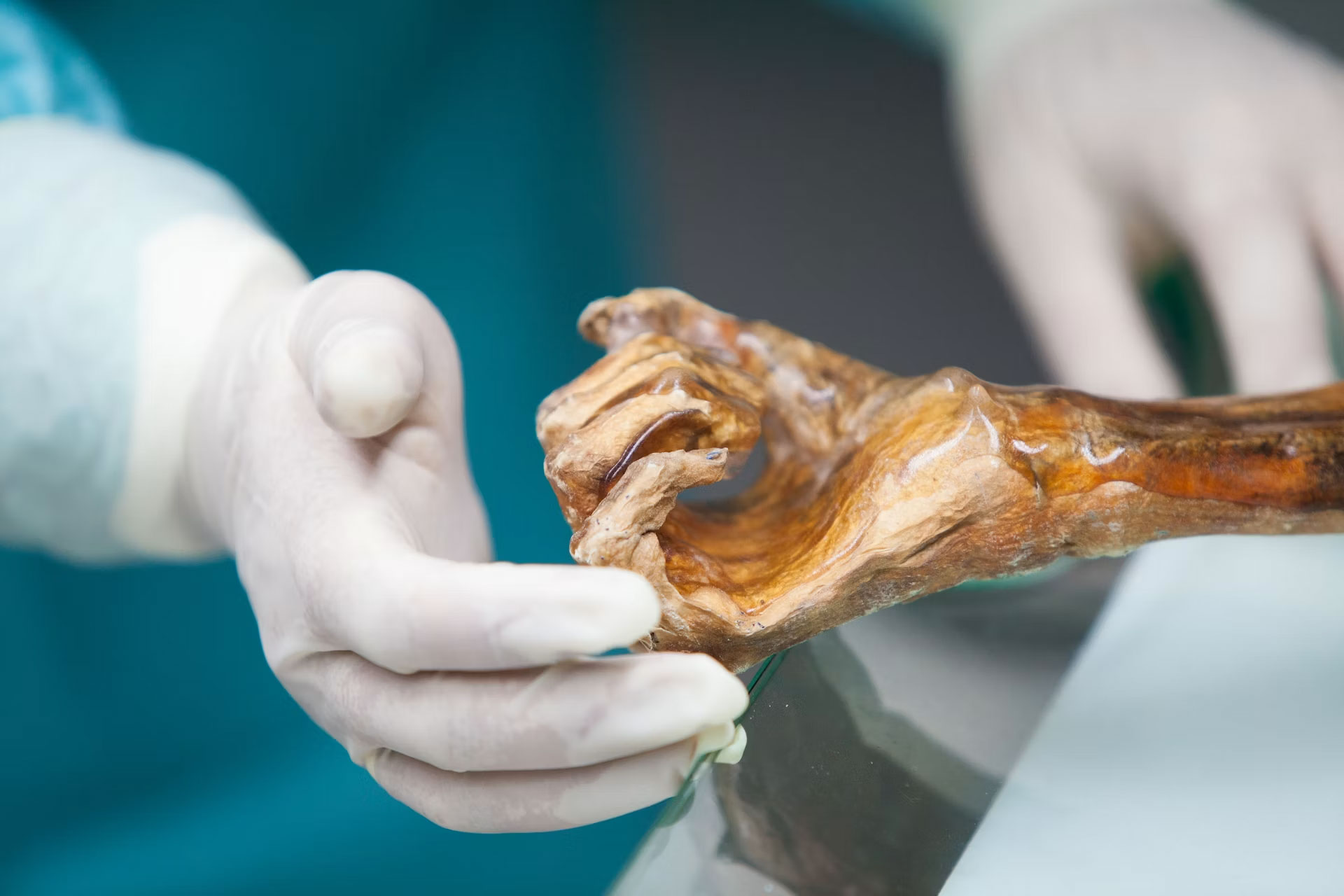
ADELAIDE, AUSTRALIA—A study of bacterial DNA from the calcified dental plaque on 34 skeletons in Northern Europe has shown that our ancient ancestors had much better teeth than we do today. Researchers led by Alan Cooper, director of the University of Adelaide Centre for Ancient DNA, found that the advent of farming 7,500 years ago and the dramatic change in diet that accompanied it resulted in much less diverse populations of oral bacteria. With less competition, bacteria that promote tooth decay and gum disease proliferated. "This is the first fossil record of human bacteria, and has important health consequences," says Cooper. Next his team team plans to analyze the dental plaque of Neanderthals, who may have had better smelling breath than anyone alive today.     

King Tut's Tomb Unveiled At "Downton Abbey"

NEWBURY, ENGLAND—The PBS hit "Downton Abbey" has an unlikely but dramatic connection to the greatest Egyptological discovery of all time. The soapy Edwardian drama is filmed at Highclere Castle, seat of the Fifth Earl of Carnarvon, who sponsored the excavations that unearthed the tomb of King Tutankhamun. To mark the 90th anniversary of the discovery, a replica of the tomb has opened in the cellars of the nineteenth-century mansion, along with recreations of the pharaoh's coffin and death mask that complement original artifacts from the site that are also on display. "This is the defining thing for Highclere. Downton is lovely, but it will come and go," said Lady Fiona Carnarvon, the current Countess of Carnarvon. "In 100 years' time, people are still going to be wondering and admiring the discovery of Tutankhamun's tomb." Fans of the boy king will soon have added incentive to visit Highclere Castle. Next year the original tomb in the Valley of the Kings is slated to be closed to tourists for good.